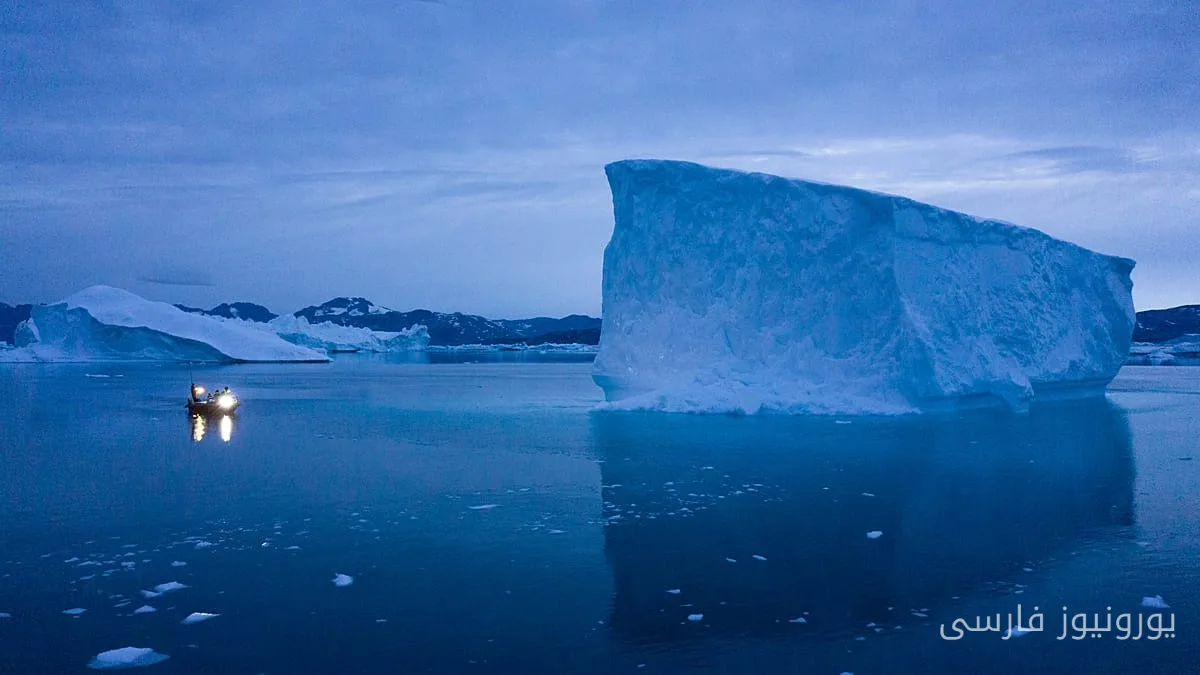
Greenland and Antarctica have lost 12.5 trillion tons of ice since 1979, resulting in a sea level rise of approximately 3.2 centimeters. These findings are the result of a comprehensive scientific study that shows the acceleration of ice loss in recent decades, particularly since the 1990s. Most of this loss is attributed to higher ocean temperatures, which cause glaciers to transfer more ice into the sea.
Effects of Temperature Changes on Glaciers
According to this study, glaciers were relatively stable in the 1970s and 1980s, but since then, the rate of ice loss has rapidly increased, peaking in the 2010s. This trend is clearly associated with rising air and ocean temperatures. Ines Outosaka, a glaciologist from Northumbria University, states that the changes are clearly linked to higher temperatures.
Read more: Discovery of an Anaconda in the Danube: A Giant Snake in Bavaria!
Research shows that about 84 percent of the ice loss is related to ice discharge into the oceans, while surface processes account for the remaining 16 percent. High sea water temperatures can erode ice from below and around the edges of glaciers, increasing its flow into the ocean. For example, the Jakobshavn Glacier in Greenland retreats by up to 50 meters daily.
Consequences of Rising Sea Levels for Europe’s Coasts
The rise in sea levels due to ice loss of about 3.2 centimeters since 1979 could have serious implications for coastal areas in Europe. Estimates suggest that for every centimeter increase in sea level, an additional two to three million people may face the risk of annual flooding in coastal regions. Although ice loss has been observed between 2020 and 2023, researchers warn that this decrease is due to short-term weather patterns and does not indicate a change in the long-term trend.
Furthermore, glacial responses to climate change may take years or even decades to manifest. This means that ice loss may continue even if global warming is controlled. This study is published in the scientific journal Scientific Data and emphasizes the importance of paying attention to climate change and its consequences for coastal communities.
Read more: Request from Ursula von der Leyen to End the Fossil Fuel Crisis in Europe · Wolf Population in Italy: Challenges and New Legal Changes