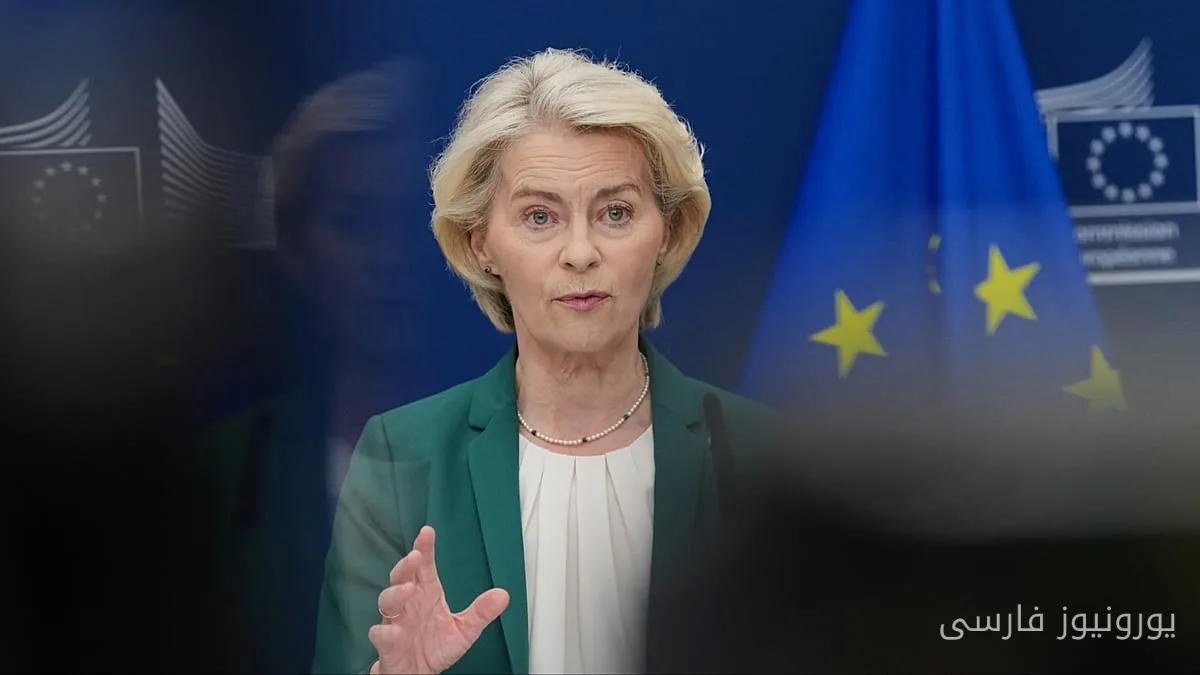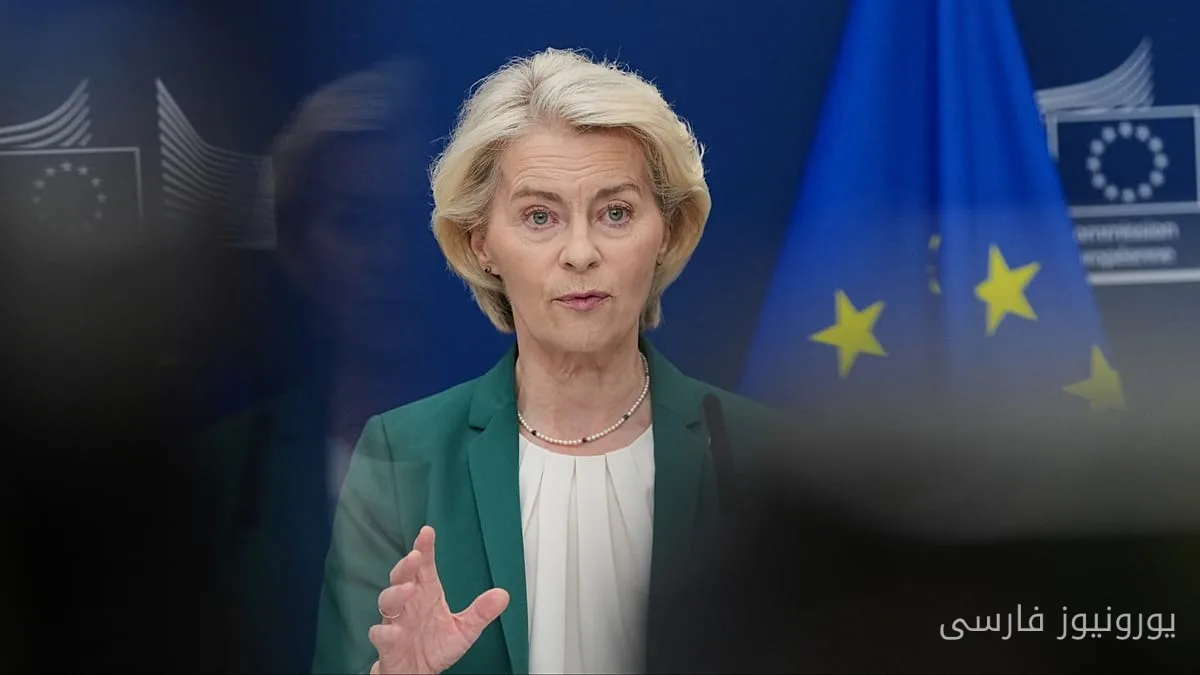
Europe is under increasing pressure to prepare a "high-level, independent, science-based" report for exiting fossil fuels to prevent another energy crisis. Tomorrow (September 16), the President of the European Commission, Ursula von der Leyen, will deliver her annual "State of the European Union" (SOTEU) speech. This event is one of the key moments in the democratic system of the European Union and an opportunity to review the past year, outline the priorities of this bloc, and announce new initiatives.
History of the Fossil Fuel Crisis in Europe
Von der Leyen used the 2022 State of the European Union speech to address the fossil fuel crisis in Europe; a crisis that began with Russia's full-scale invasion of Ukraine, and she recalled the energy crisis of the 1970s caused by the Middle East wars. She said, "Some of us remember car-free weekends to save energy." However, we continued on the same path. We did not abandon our dependence on oil, and worse, massive subsidies were paid to fossil fuels.
Read more: Restoring Nature: Beavers Can Save the Prairies!
Von der Leyen added that only "a few futurists" understood that the main problem was fossil fuels themselves, not just their prices. Now, four years later, Europe is facing a very similar problem; a problem that arose following the war against Iran and the temporary closure of the Strait of Hormuz, a vital shipping route that usually carries about one-fifth of the world's oil and gas.
The Costs of the Energy Crisis for Europe
In July, the European Commission announced that the European Union has spent over 50 billion euros extra on fossil fuel imports since the beginning of the conflict; a cost largely borne by households. This figure is now estimated to have reached around 70 billion euros. Meanwhile, 32.2 billion euros have been saved from solar energy; savings that have helped prevent further gas imports and strengthen domestic electricity production across the continent.
The bloc adds that a "rapid energy transition focused on electrification" could reduce gas imports by over 70% and crude oil imports by over 40% by 2040. Chiara Martinelli from CAN Europe, one of the leading NGOs in the fight against the climate crisis, said at a press conference last week: "Europeans are paying twice for the EU's dependence on fossil fuels." She explained: "Once through energy prices, geopolitical vulnerability, and the pressure this situation puts on households and businesses, and again through the human and economic costs of climate disasters."
CAN Europe, along with more than 200 other European and national organizations, including 16 industrial associations, is calling on von der Leyen to use the State of the European Union speech to prepare a "high-level, independent, science-based" report on Europe's exit from fossil fuels. Martinelli added: "This is not just a call for more action from Europe on climate; the discussion is that ending Europe's dependence on fossil fuels is fundamentally in the economic and strategic interests of Europe itself."
Economic and Climate Challenges
Experts warn that alongside soaring energy costs, Europe's dependence on fossil fuels carries enormous economic risks. Lia Malferre from the Electrification Alliance says 75% of EU companies cite energy costs as the "main barrier" to investment in Europe. The continued burning of fossil fuels has also paved the way for more waves of extreme weather conditions; to the extent that August broke records and, alongside July 2023, is recognized as the hottest month recorded globally.
The consecutive heatwaves this summer, which scientists say would have been "almost impossible" without climate change, left at least 35,000 additional deaths across the continent. Preliminary estimates suggest that this summer's severe heatwave alone could wipe out about 180 billion euros of the EU's economic output; an amount sufficient to eliminate all expected growth for the Union in 2026.
Read more: A Paradise of Wildflowers in Muogamarra: A Rare and Soothing Experience · Gradual Decrease in Suicide Rates in the EU with Greater Impact on Men