The European Union and Canada have experienced similar threats and pressures from Donald Trump, the former President of the United States, in recent years. These two entities, which traditionally regarded the United States as their closest partner, are now seeking to forge new and sustainable connections with each other.
Change in Transnational Relations
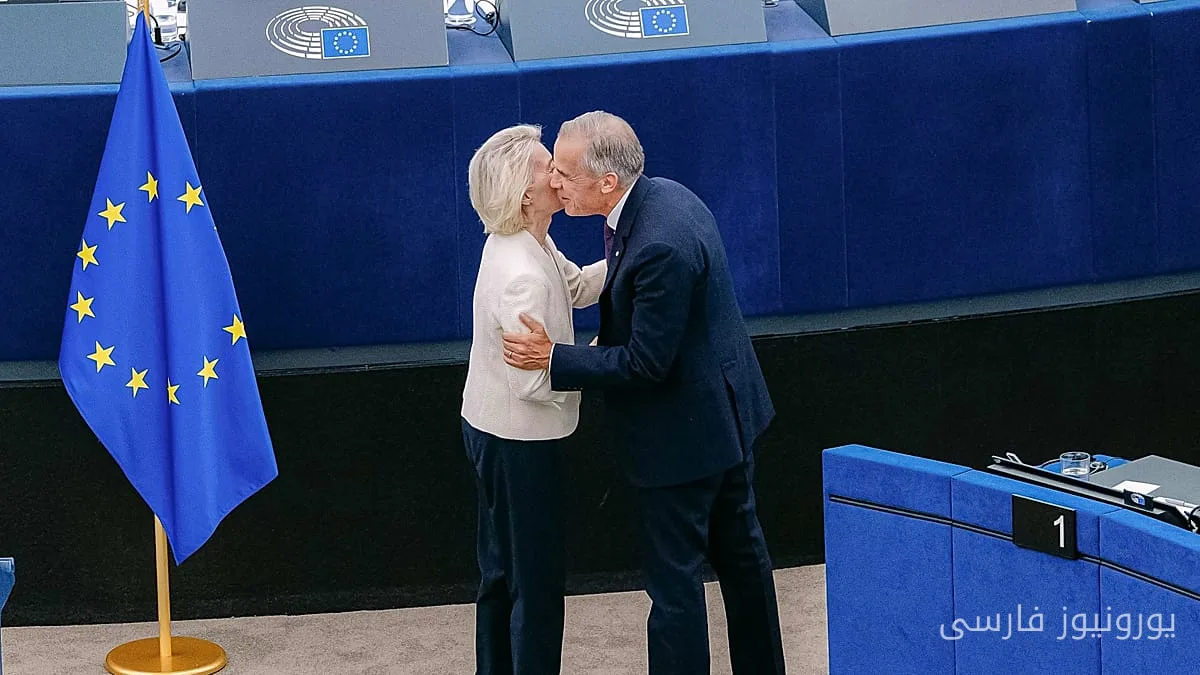
This week, in public speeches, Ursula von der Leyen, President of the European Commission, invited Canada to be recognized as an "associated member" of the European Union. This new legal status is designed to create a closer connection with Ottawa. In her speech, von der Leyen clearly referenced Trump, stating, "Power does not belong only to the strongest, but to everyone."
Read more: BBC and the Flags of the European Union: Is Brexit Still Divisive?
This announcement was met with much encouragement from Members of the European Parliament, and Justin Trudeau, the Prime Minister of Canada, also responded positively to the speech. He stated in his speech, "Europe and Canada are stronger together." These remarks reflect the shared determination of both parties to strengthen their relations.
Challenges and Opportunities
Despite this closeness, there are concerns about the future of their relations. Both sides are currently under pressure from hostile forces, including U.S. policies, unfair competition from China, and Russia's aggression. For these two entities, cooperation in areas such as trade, energy, and new technologies is of special importance.
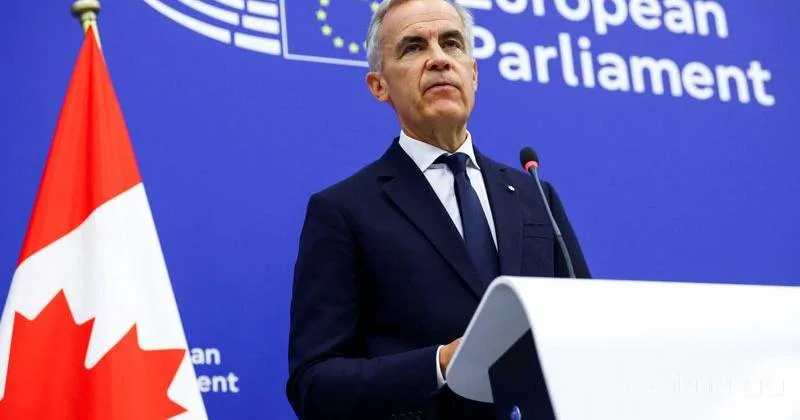
While von der Leyen referred to "associated member," Carney used the phrase "alliance for the future," which seems to carry less legal weight. This difference in terminology reflects Canada's caution regarding its national sovereignty. Ultimately, both sides are seeking to establish a sustainable and effective cooperation that benefits their citizens.
Surveys indicate that 56% of Canadians feel that they share more cultural and social commonalities with the European Union than with the United States. This sense of closeness could lead to strengthened economic and social cooperation between the two parties.
Read more: Javad Zarif's Controversial Proposal to Europe; Breaking the Vicious Cycle · Warm Reception of Mark Carney by the European Parliament in Strasbourg