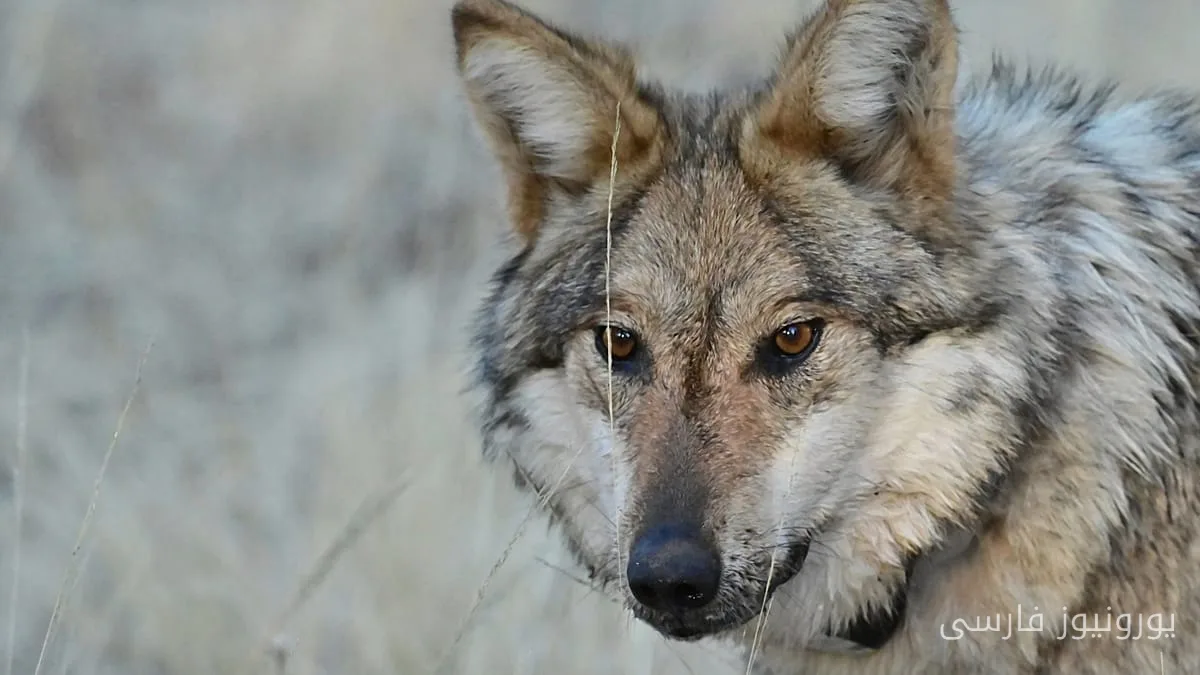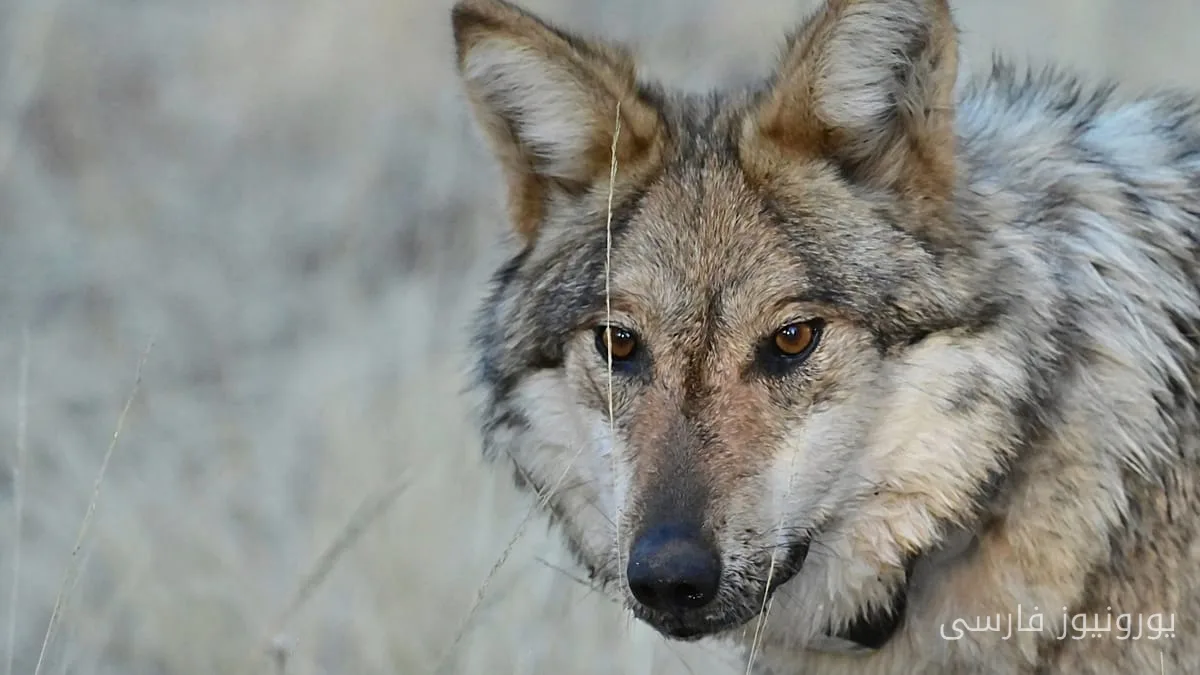
The wolf population in Italy reached 3,500 in 2026. This figure is based on the latest national surveys conducted by the Higher Institute for Environmental Protection and Research (Ispra). Since then, the number of wolves has increased by 150, particularly in the Alpine regions.
Increase in Wolf Numbers and Social Concerns
The increase in wolf numbers and sightings near residential areas has reignited discussions about this species. In March 2026, Italy approved a new European Union directive regarding the conservation status of wolves, which amends previous laws. This species is now recognized as a “protected species,” raising questions about the effectiveness of this change.
Read more: Unprecedented Increase in Coal Consumption Following the Iran War
Should People Be Afraid of Wolves?
Piero Genovese, head of wildlife coordination services at Ispra, states: "Wolf attacks remain a rare phenomenon, and there is no real danger to people. However, in recent years, we have seen an increase in these cases, which are being closely monitored." According to Ispra data, between 2017 and 2024, only 19 cases of wolf attacks on humans have been recorded. Interestingly, only seven wolves were responsible for these attacks, with one female wolf committing 11 of them.
Marco Antonelli, a biologist and large mammal specialist for WWF Italy, explains: "In fact, there is no need to fear wolves; they are shy and nocturnal animals that prefer to avoid humans." Ispra has developed a specific protocol for managing urban wolves and their "confidence," categorizing wolf behavior based on their level of risk.
Legal Changes at the European Level
New legal changes in Italy and other European countries, including Germany, are influenced by the new European Union directive. Luigi Boitani, emeritus professor at La Sapienza University in Rome, says: "This was a political choice pushed by President von der Leyen. These changes were unnecessary, as wolves were already huntable under certain conditions."
Piero Genovese believes that these changes will help improve technical processes and allow decisions to be made autonomously by regions. This new system should offer greater flexibility compared to the previous one and aid in better management of wolf populations.
Read more: Dancing on the Edge of Extinction; Living Blue Birds, the Most Beautiful Models of the Bird World · Italy, the Vanguard of Sanctions Against Israeli Settlers in the European Union!