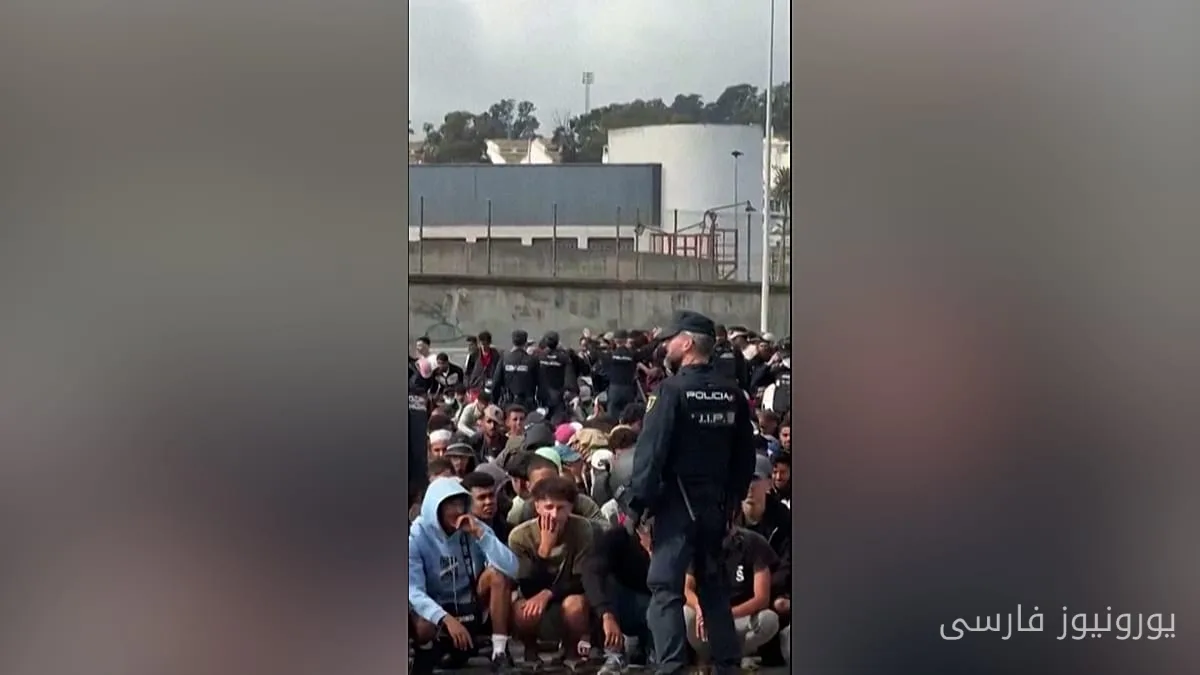
Migrants in Ceuta, a Spanish enclave in North Africa, rushed towards a temporary camp at the port of the region on Friday, trying to secure one of the 1,700 available spots in the camp. In the meantime, the police faced a large crowd of migrants who were desperately trying to enter the newly established camp.
Background of the Migration Crisis
These migrants had spent several weeks on the shores of Ceuta, while on July 30 and 31, over 70,000 migrants surged from Morocco to Ceuta. This unprecedented flow and chaos led to several fatalities and created new tensions within the European Union. The issue of migration has become one of the sensitive and contentious matters among member countries.
Read more: EasyJet flight staff strike in Portugal scheduled for October and December
Humanitarian and Political Consequences
In light of this crisis, European countries are facing serious challenges in managing the flow of migration. Some countries, including Spain, are trying to find solutions to alleviate the social and political pressures arising from this crisis. Despite emergency measures to transfer migrants, concerns about their humanitarian situation and how to meet their basic needs remain persistent.
This crisis also highlights deficiencies in Europe's migration policies. On one hand, frontline countries like Spain bear a heavy burden of this crisis, while on the other hand, other countries in the European Union seek ways to reduce their responsibilities. This situation could lead to increased tensions and disputes at the European level.
Read more: Mark Carney welcomed the proposal for associate membership in the European Union · Increase in violence in Yemen ends ceasefire and leads to widespread displacement