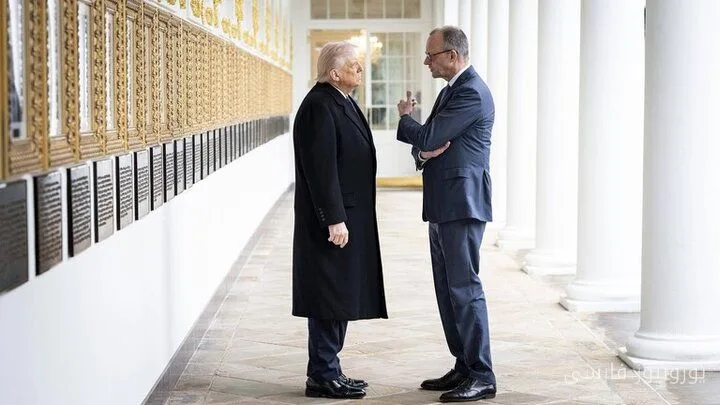
Friedrich Merz, the Chancellor of Germany, at an election rally in Berlin, told his party members in the Christian Democratic Union that the era of unconditional transatlantic friendship has come to an end. He added, "We are witnessing a change in political attitudes across the Atlantic and also a change in how we view the transatlantic alliance; developments that we perhaps never imagined would occur."
Criticisms and Changes in German Foreign Policy
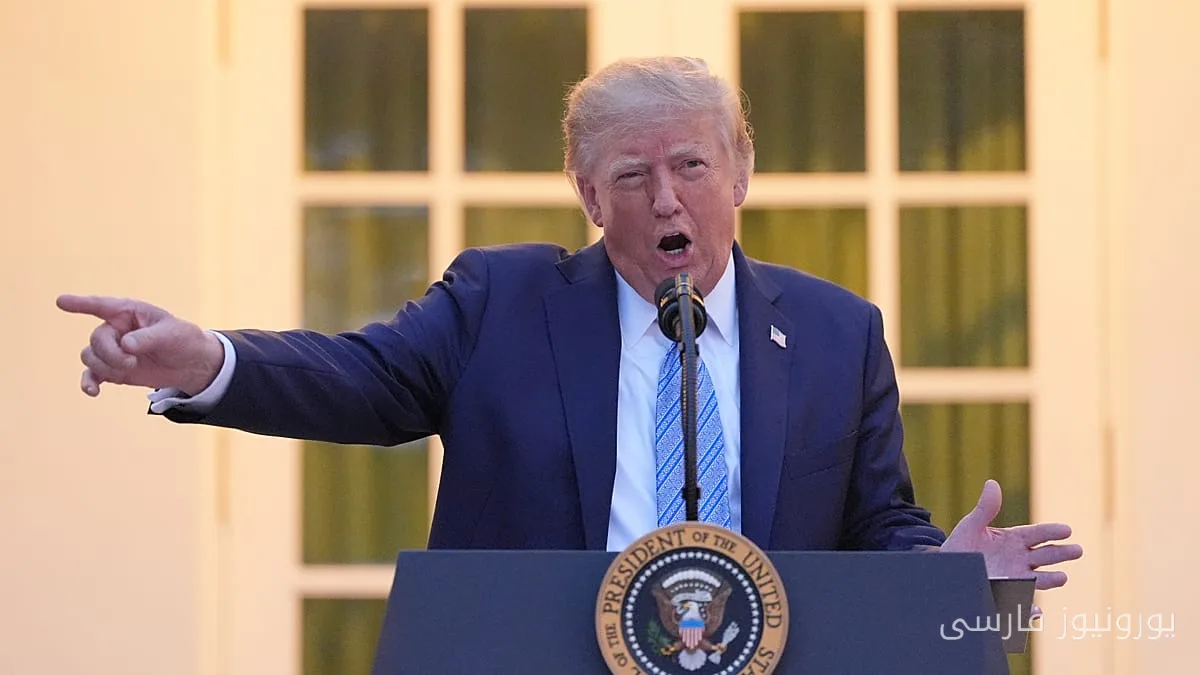
Merz, who was previously known as a strong supporter of the United States, also criticized U.S. policies in the Middle East in April, deeming them lacking a coherent strategy. He pointed out that the United States has been "humiliated" during the war against Iran. Donald Trump's reaction to these criticisms was a call to focus on Germany's domestic issues.
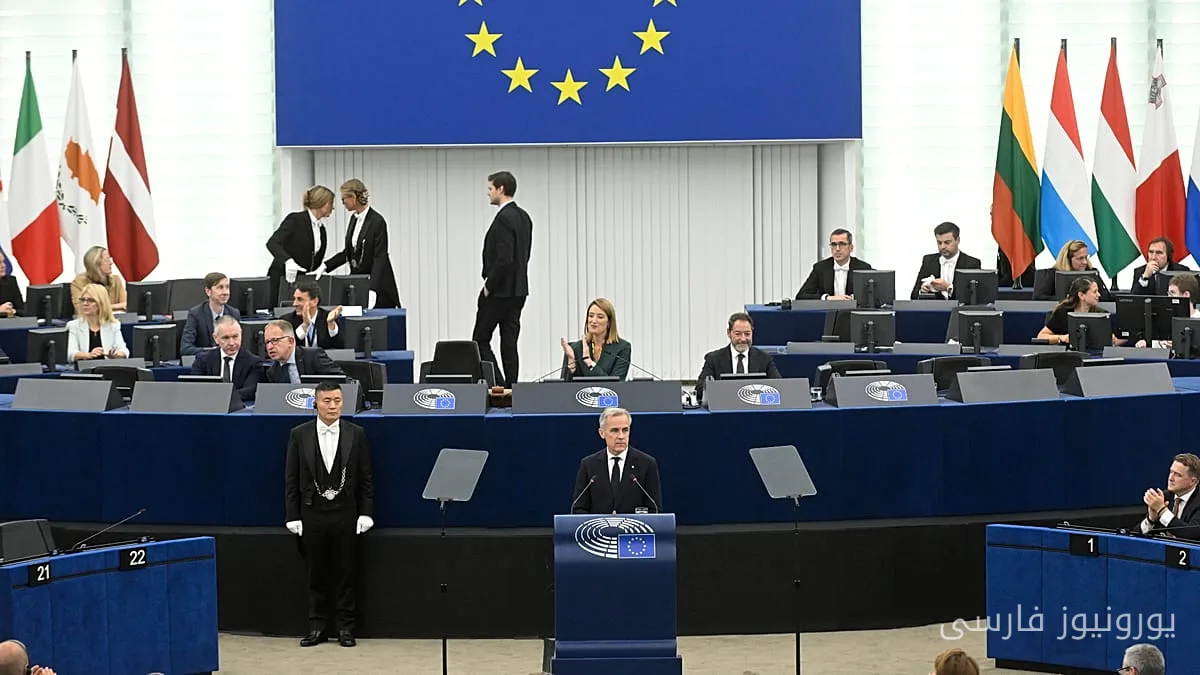
Read more: Warm welcome of the European Parliament to Mark Carney in Strasbourg
In May, Merz also warned the Trump administration about interference in German elections. These remarks came as the U.S. State Department launched a nearly five million dollar program to support projects aimed at strengthening "democratic resilience" and human rights in Europe.
Change in German Military Policy
The German Chancellor continued by referring to the increase in his country's military spending, stating, "We have long needed to take more responsibility ourselves." He emphasized that despite the economic crisis, Germany will continue to strengthen its military and finance Ukraine in its conflict with Russia. In contrast, since returning to the White House, Trump has imposed new tariffs on imported goods from most of America's trading partners and has continued his criticisms of European immigration policies.
These developments in German-American relations occur at a time when European officials are also concerned about the erosion of democratic values on the continent. J.D. Vance, the U.S. Vice President, criticized European governments at the Munich Security Conference for what he termed the "erosion of free speech." He also criticized the "firewall" policy, stating, "Democracy is based on the sacred principle that the voice of the people matters."
Ultimately, in May, the Pentagon announced plans to withdraw about 5,000 of the 36,000 active-duty American military personnel stationed in Germany. This action could escalate tensions in military relations between the two allies and signal deeper changes in transatlantic relations.
Read more: CEO of Rheinmetall warns about Germany's missile reserves · Baqai: Germany cannot be a supporter of war and claim to be a peacekeeper