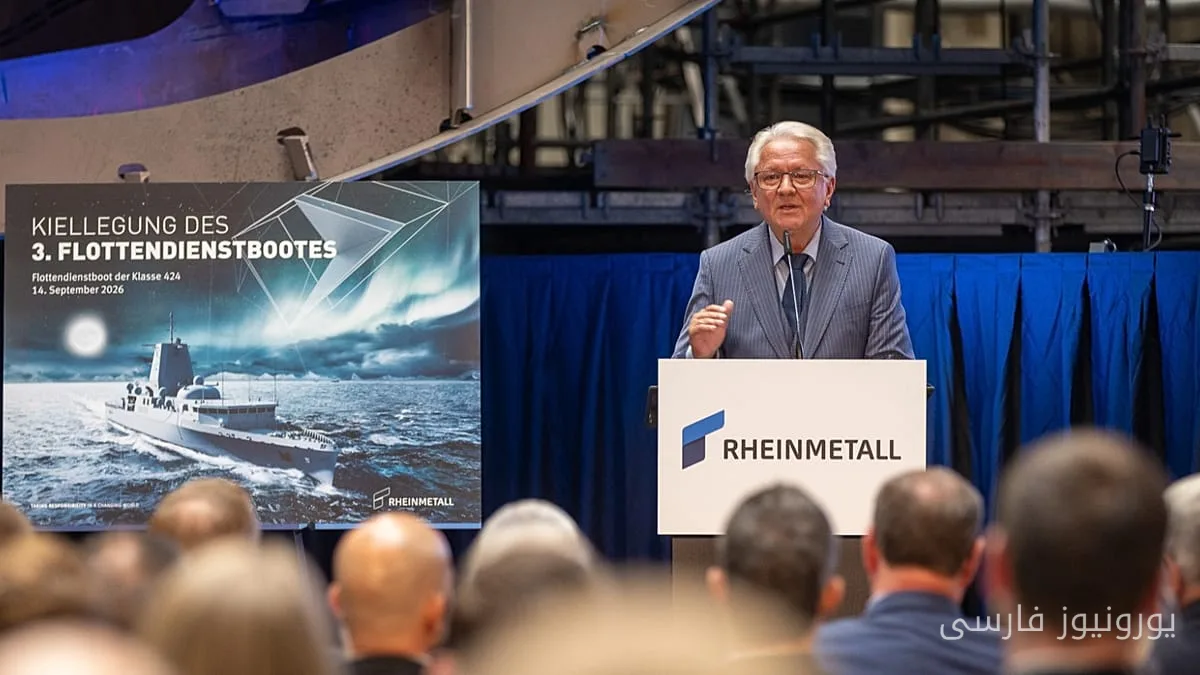
The CEO of Rheinmetall, Armin Papperger, announced that Germany's missile reserves are currently at a concerningly low level. These statements come as Europe seeks to strengthen its defense capabilities against potential threats. This situation could have significant impacts on the security of European citizens.
Challenges in Germany's Defense System
Germany, as one of the major military powers in Europe, has faced numerous challenges in the defense sector in recent years. Given the rising tensions in various parts of the world and the need to strengthen national defense, any shortfall in weapon reserves could have serious consequences for the security of this country and the European Union.
Read more: Significant Decrease in Theft Rates in Europe Despite New Challenges
Papperger further noted that the current missile reserves cannot meet Germany's needs in critical situations. He added that, given the current state, there is a need to reassess the country's defense and military strategies.
Consequences of Reduced Missile Reserves on Europe's Security
The reduction of missile reserves will not only affect Germany but also the entire Europe. Neighboring countries and NATO members must respond to this situation. According to some analysts, this reduction could lead to increased vulnerability for Germany and other countries against military threats.
As Europe's security is interdependent, this situation could pose a serious challenge for coordination and military cooperation among NATO member countries. In this regard, there is a need for increased investment in defense and strengthening international collaborations.
Ultimately, Papperger emphasized that to counter future threats, Germany must increase its weapon reserves and leverage modern technologies in the military field. These actions are essential to maintain security and stability in the region.
Read more: The German government deported 13 Afghan citizens to Kabul · Ali Falah Al-Zaydi Faces Serious Challenges in Completing Iraq's Cabinet