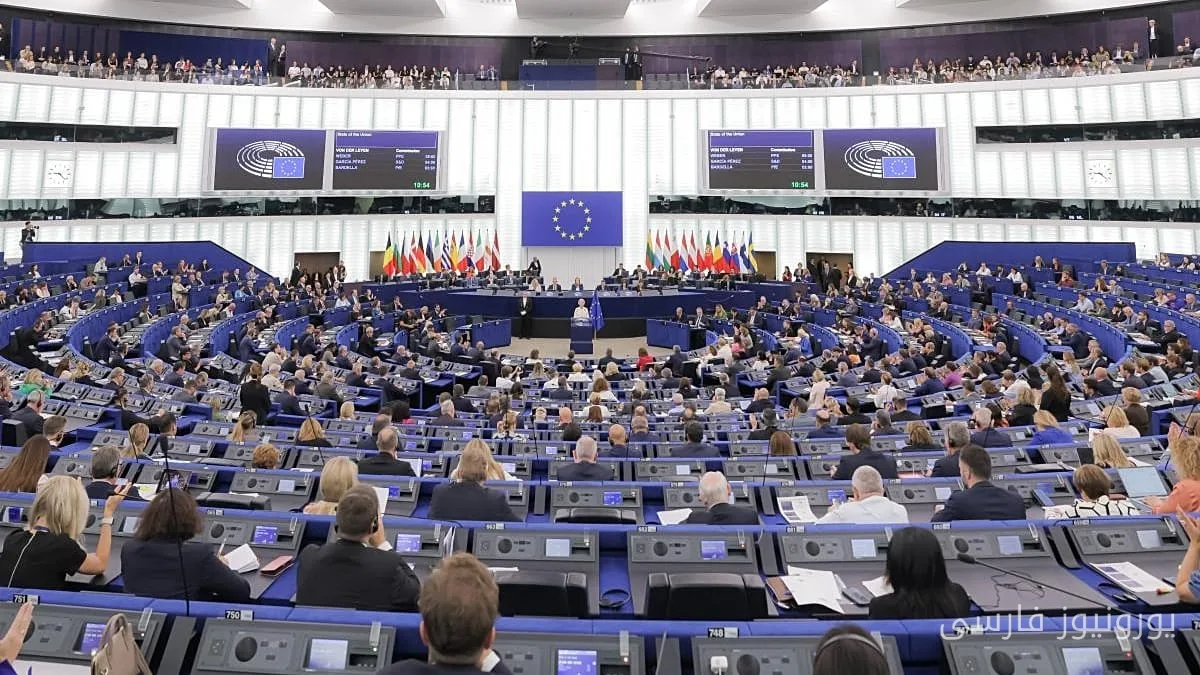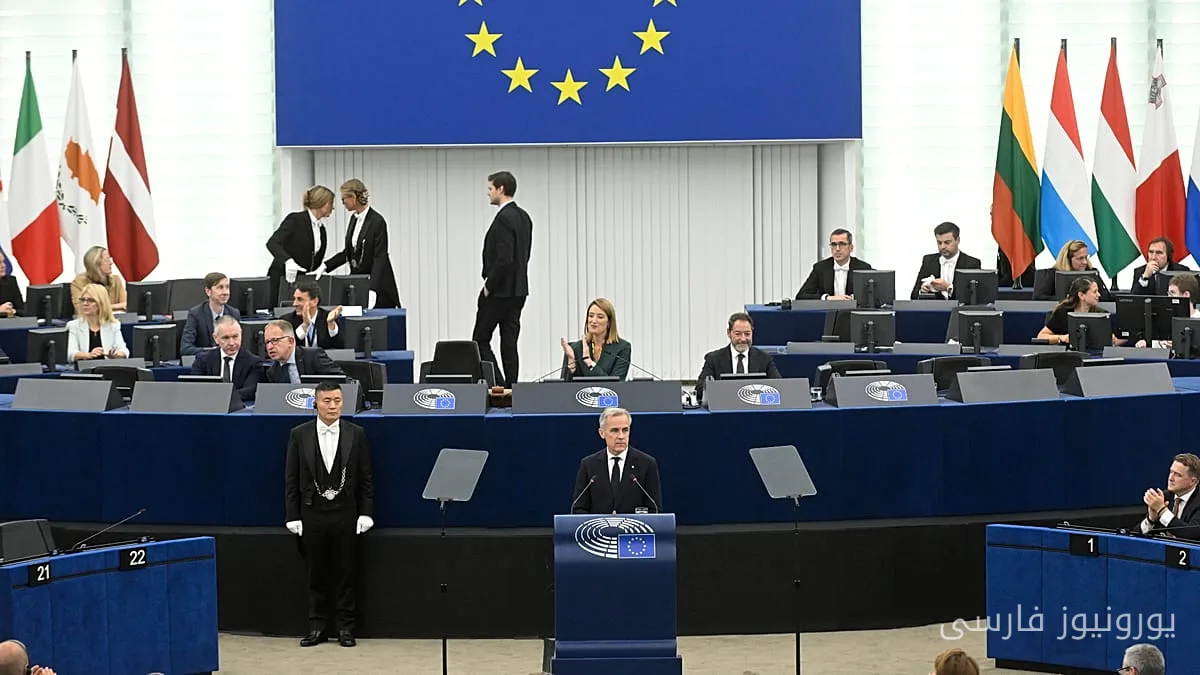
In his speech at the European Parliament in Strasbourg on September 17, Carney backed Ursula von der Leyen's proposal to explore the possibility of making Canada the first associated member of the European Union. He described this move as part of broader efforts to strengthen Europe's sovereignty and resilience.
Emphasis on Key Collaborations
Carney called for deeper cooperation in critical mineral sectors, defense, artificial intelligence, energy, space, and financial systems. He also highlighted the importance of closer digital trade and stronger connections between universities and youth. These proposals reflect Canada's determination to expand its relations with Europe across multiple domains.
Read more: Canada Invited as the First 'Associated' Member of the European Union
Geopolitical and Economic Implications
Carney clearly stated that this cooperation is not intended to create a new geopolitical bloc. He said, "I am not proposing any third bloc to become a rival to great powers — just with better manners." These remarks were met with applause from attendees in the European Parliament. Carney emphasized, "We are not seeking power to dominate others."
This speech was delivered just hours after Donald Trump threatened that if these proposed relations with Canada continued, he would impose "very serious" tariffs against the European Union. However, Carney presented this initiative as a long-term project that could extend beyond trade and defense. He stated that the alliance between Canada and Europe could serve as a "beacon" for other democracies based on "freedom, solidarity, prosperity, and sustainability" and a shared commitment to international law.
Read more: Heavy Rains in Valencia and Catalonia Claim the Life of a Driver in Spain · Greg Stanton Considers the EU's Expected Action on Canada Misaligned with U.S. Interests