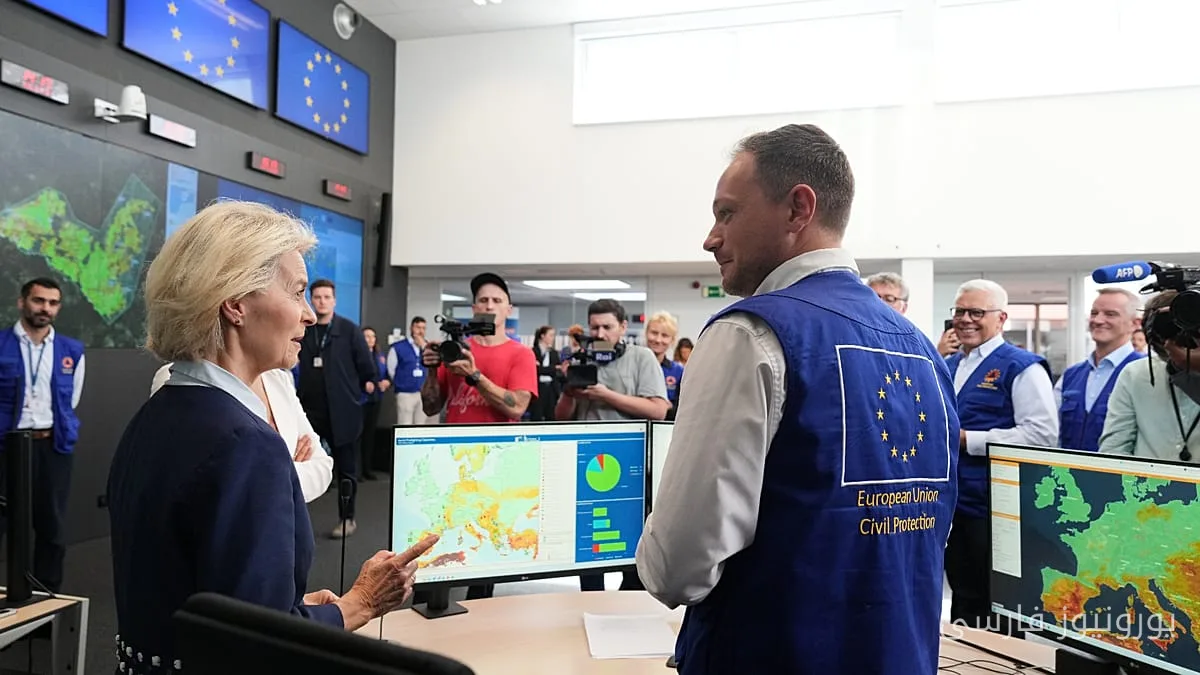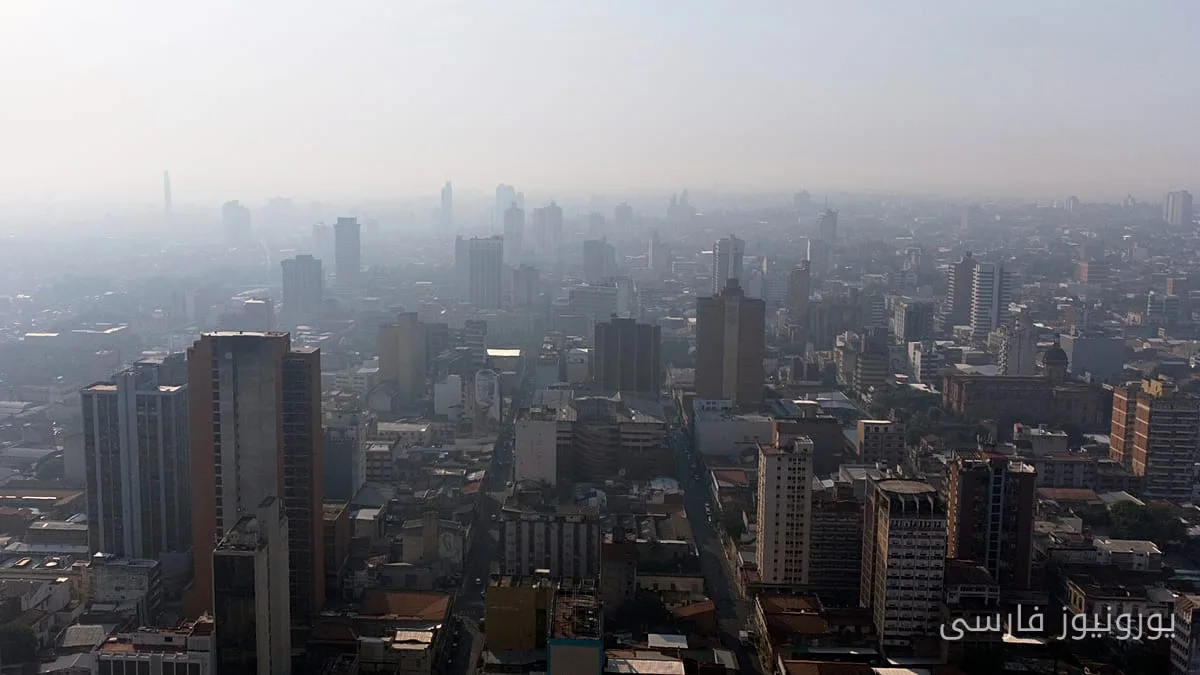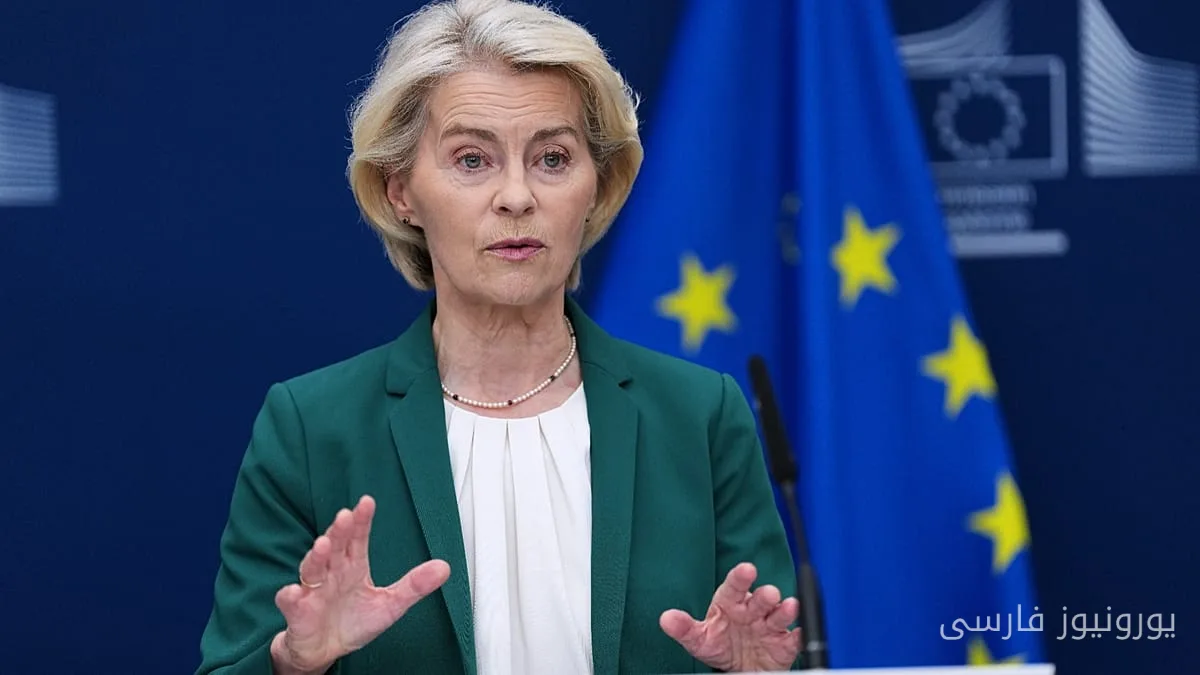
Ursula von der Leyen, President of the European Commission, in her annual speech at the European Parliament, emphasized the need for immediate action to address climate crises. She described this summer as a "preview" of future high temperatures and noted that it has resulted in 35,000 additional deaths across Europe.
Honoring the memory of the fallen firefighter
In an emotional moment, von der Leyen introduced the family of a firefighter who died while battling a blaze, and the Parliament stood to pay tribute. This symbolic act highlights the importance of recognizing the human costs of climate crises.
Read more: Satellite FLEX launched to study plant responses to climate change from space
Future plans to combat climate change
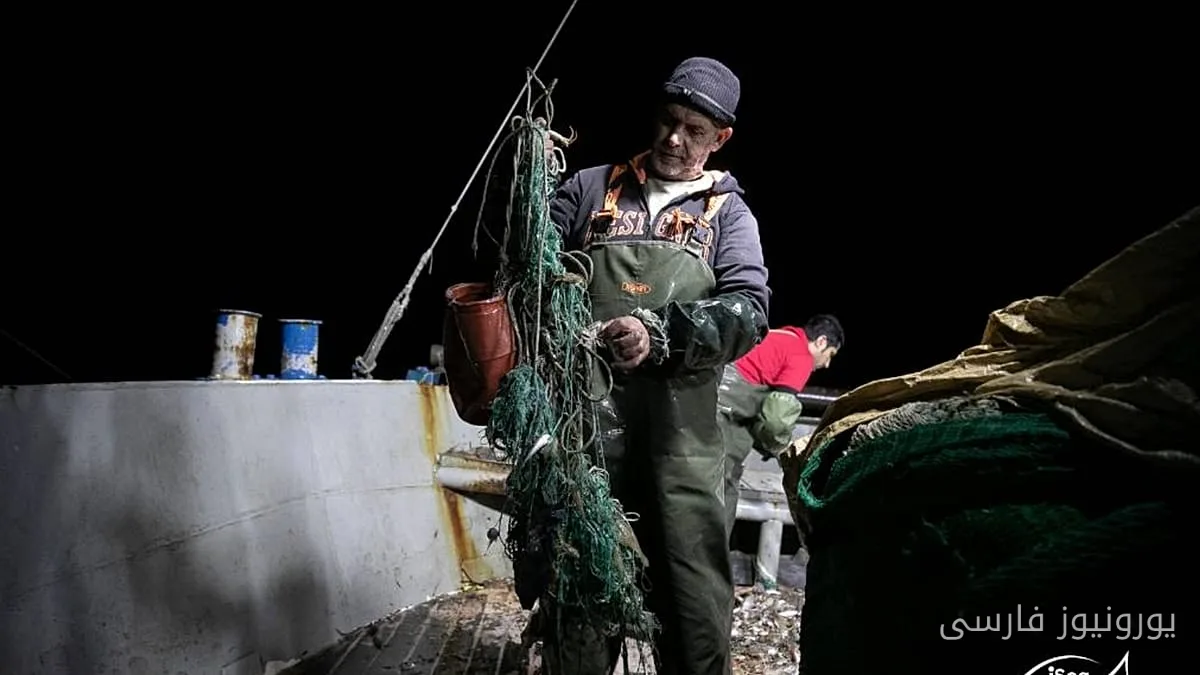
Von der Leyen also outlined future plans, stating, "Next month we will present a new framework for climate resilience. We will identify 100 areas from the most vulnerable regions of Europe and assess their risks." This comes as 660,000 hectares of land have burned this summer, and nearly 12 million tons of crops have been lost.
Establishment of a climate insurance coalition
The President of the European Commission also announced the launch of a climate insurance coalition, saying, "Currently, only about 25 percent of damages from disasters in Europe are covered by private insurance. This means that national budgets frequently act as the ultimate insurer. We need to take action to fill this gap." These remarks come as European countries are severely affected by climate crises, highlighting the need for a comprehensive and sustainable approach to tackle these challenges.
Von der Leyen's statements reflect the strong commitment and will of the European Union to address climate crises and protect the lives of European citizens. As climate change becomes one of humanity's greatest challenges, preventive and protective measures can help mitigate the damages caused by these crises.
Read more: Miracle supermarket: salads that grow right above the checkout counters · Increase of 35,959 daily flights in Europe despite the Middle East war