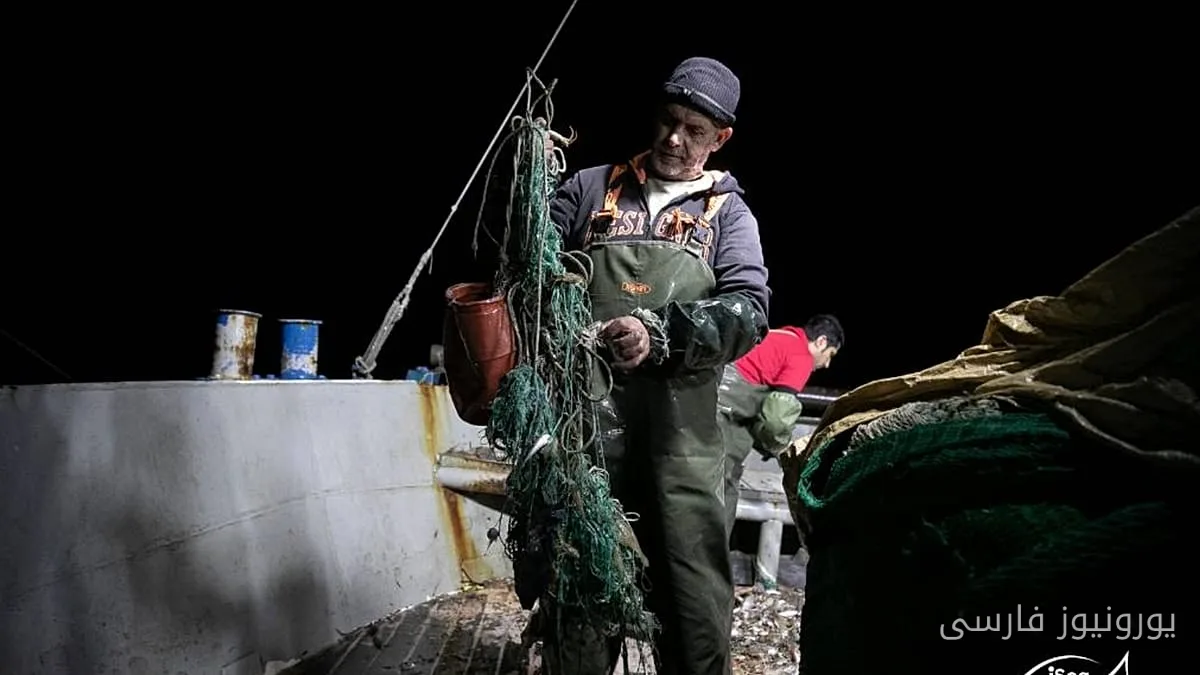
More than 6,000 concrete blocks and thousands of synthetic ropes that are illegally used by traditional Mediterranean fishing boats and then discarded into the sea have been recovered from the waters of Greece in recent years. Abandoned fishing gear constitutes a significant portion of the waste that reaches the seabed. The removal of this waste is at the heart of the 'Fishing for Litter' program implemented by the public charity foundation Athanasios C. Laskaridis in collaboration with the environmental organization iSea.
Environmental Impacts and Existing Challenges
According to Anastasia Charitou, communications manager at iSea, since the program began in 2019, 6,278 concrete blocks and approximately 11,700 ropes related to fishing activities have been recovered and documented. She states, 'The biggest problem is located in the Gulf of Orfous, then in the Thracian Sea and the Thermaic Gulf.' Since 2019, fishermen participating in this program have cleaned up over 360 tons of waste from deep waters. More than 83% of this waste is plastic, and 34% consists of abandoned fishing gear.
Read more: Discovery of an Anaconda in the Danube: Giant Snake in Bavaria!
How Do Concrete Blocks End Up on the Seabed?
This issue is related to the method used in night fishing with traditional gree-gree boats. After identifying fish, small spotlight devices called 'robots' are thrown into the water to attract the fish. iSea points out in a report titled 'Silent Fishing Waste – How Synthetic Ropes and Concrete Blocks Pollute the Seas' that fish are attracted due to the spotlights.
To keep these spotlight devices in place, they need to be anchored. However, in some cases, instead of using proper anchors, concrete blocks are used, which are attached to polypropylene ropes. At the end of the operation, when it's time to collect the devices, the ropes are cut, leaving the concrete blocks and detached ropes on the seabed.
Thus, a method that is time-consuming for the crew becomes a permanent source of waste. iSea emphasizes that this practice not only relates to marine pollution but also harms ecosystems and poses risks to other boats. The organization stresses the need for more rigorous and thorough monitoring.
Read more: Cambridge University Research Shows Air Pollution Negatively Affects Sleep · Sarah Healy's Efforts to Save Ancient Wetlands on the Isle of Man