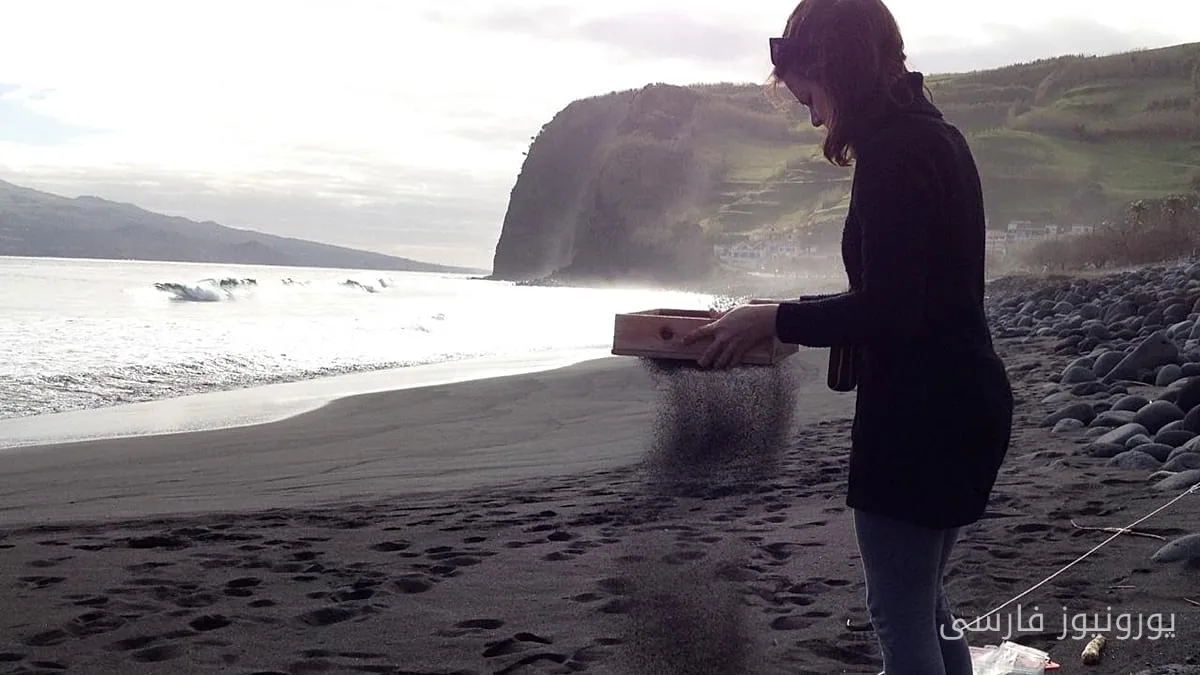
Plastics related to the crab fishing industry, from the United States and Canada, have been observed on the shores of the Azores Islands in Portugal. Since 2010, researchers at the University of Azores have been studying marine debris and have gradually noticed that some items are frequently found on the shores of these islands.
Source of Waste and Its Environmental Impact
Christopher Fam, a researcher and head of the marine debris research group at the University of Azores, explains that these items are related to the crab fishing industry operating in the northern Atlantic shores of North America. The numbers on some of these plastics are mandatory labels that allow for the identification of their source and production date. This study shows that the waste can come from the United States (63%) and Canada (37%) to the shores of Portugal.
Read more: The Biggest Water Crisis in England: Thirsty Soils and Lack of Moisture
Background and Age of the Waste
Researchers have been able to determine the age of some of the waste. The labels on this waste indicate that most of them are between 7 to 13 years old. The oldest labels date back to 1983, indicating that these plastics can remain in the environment for decades. Christopher Fam points out that this fact reflects the high durability of plastics in the environment.
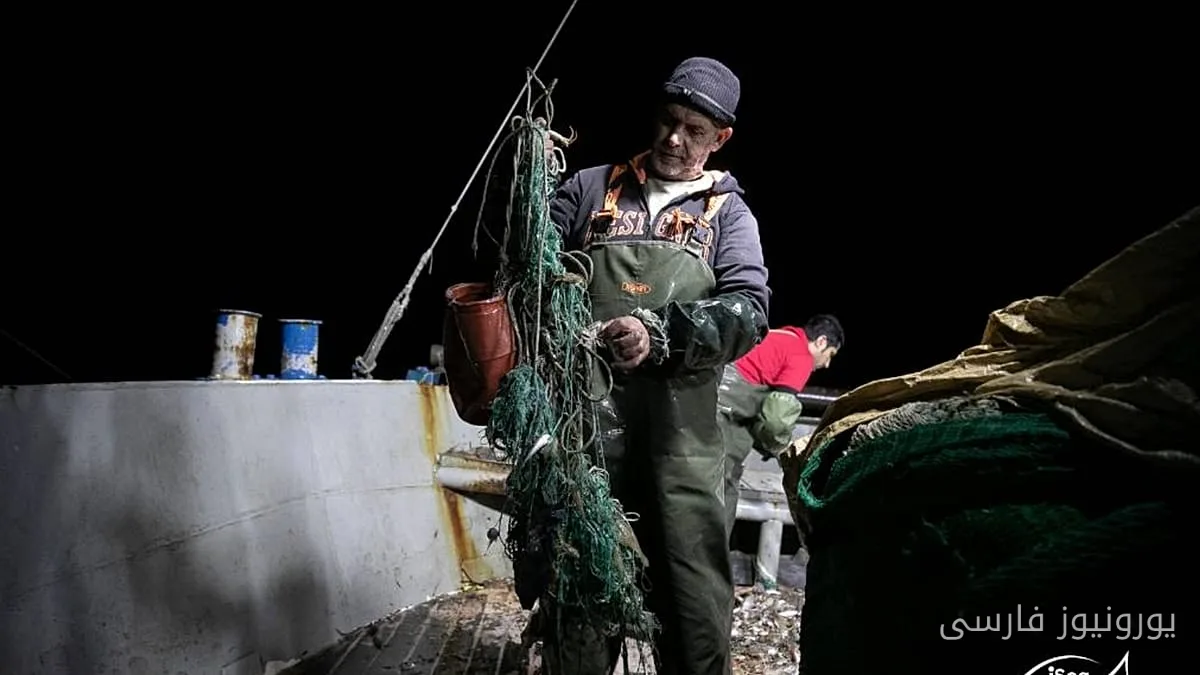
The crab fishing industry is one of the most important economic activities in the United States and Canada. In 2020, crab exports from these two countries reached approximately 1.74 billion euros. Estimates suggest that around three million traps are set on the shores of the United States and two million on the shores of Canada each year for catching this marine species.
Challenges of Marine Waste in Portugal and Europe
In addition to waste related to crab fishing, other waste is also observed on the shores of the Azores, which cannot be easily traced back to their source. Fishing waste arriving on the shores of the Azores may come from various regions around the world. For example, researchers have encountered waste that appears to have been discarded by Chinese ships.
Christopher Fam believes that to tackle the problem of marine waste, it is essential to identify the source of this waste. Labeling fishing equipment, similar to what is done in the crab fishing industry, could help address this issue. There is a possibility that the plastic waste reaching the shores of Portugal and even other parts of Europe is transported to these areas due to ocean currents and winds.
Read more: Nile Gold; Blessing or Curse? The Fate of Agriculture in Sudan at Risk · Risk of Extinction for One-Eighth of Migratory Birds; A New Environmental Crisis at the Peak of Kenya