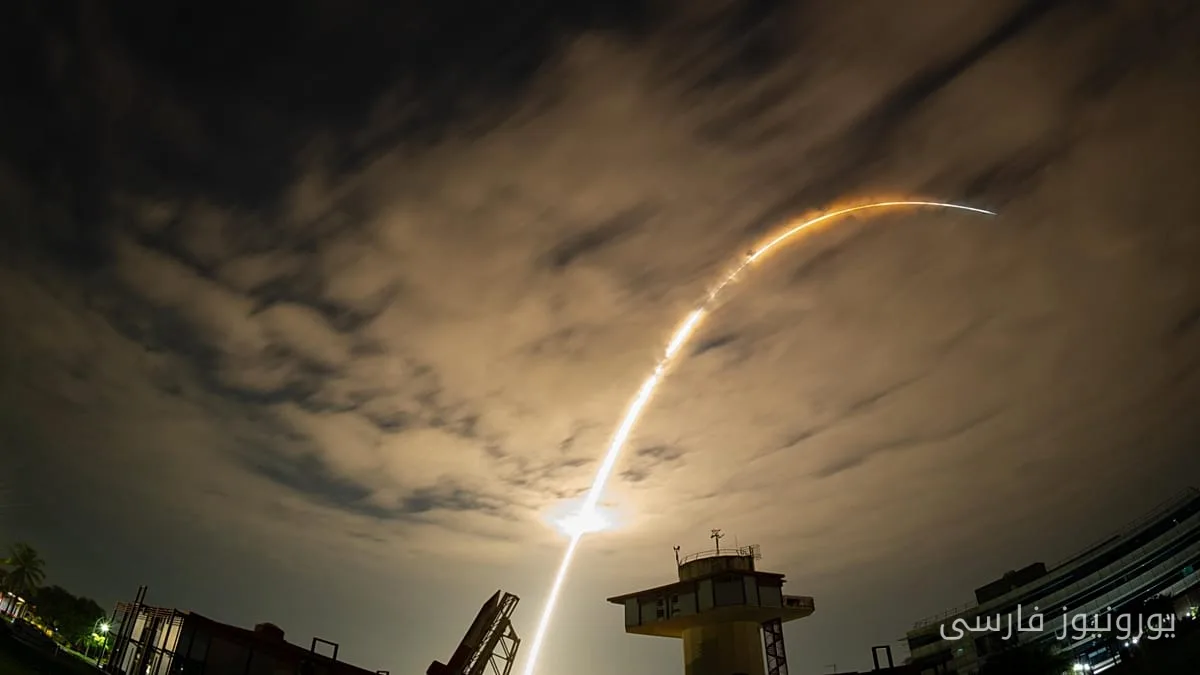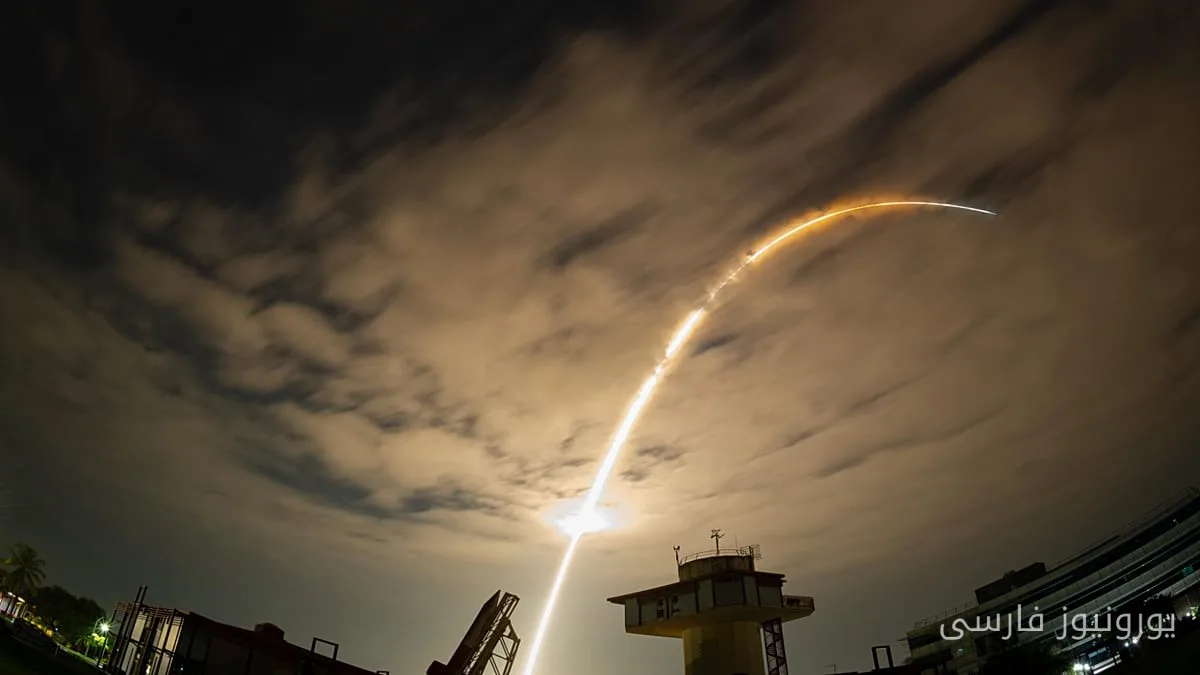
The FLEX satellite (Fluorescence Explorer) was recently launched into Earth's orbit, and its goal is to study plant responses to climate change. This project, conducted in collaboration with various European countries, can provide valuable information about plant health and natural ecosystems.
The Purpose of FLEX and Its Importance for Europe
The FLEX satellite is recognized as a key tool in the fight against climate change. Using advanced technology, this satellite can measure the fluorescence of plants, allowing researchers to accurately monitor plant health and the impacts of climate change.
Read more: Autumn, Warm and Rainy: New Predictions from the UK Meteorological Office
This project is particularly vital for European countries facing environmental challenges and climate change. FLEX helps researchers find better solutions for managing natural resources and preserving biodiversity.
Technological Dimensions and Its Implications for the Future
The technologies used in the FLEX satellite include advanced sensors capable of measuring and analyzing environmental data. This information can aid in developing predictive models for climate change and improving management decisions. Therefore, FLEX is considered not only a scientific project but also a key tool in environmental policymaking in Europe.
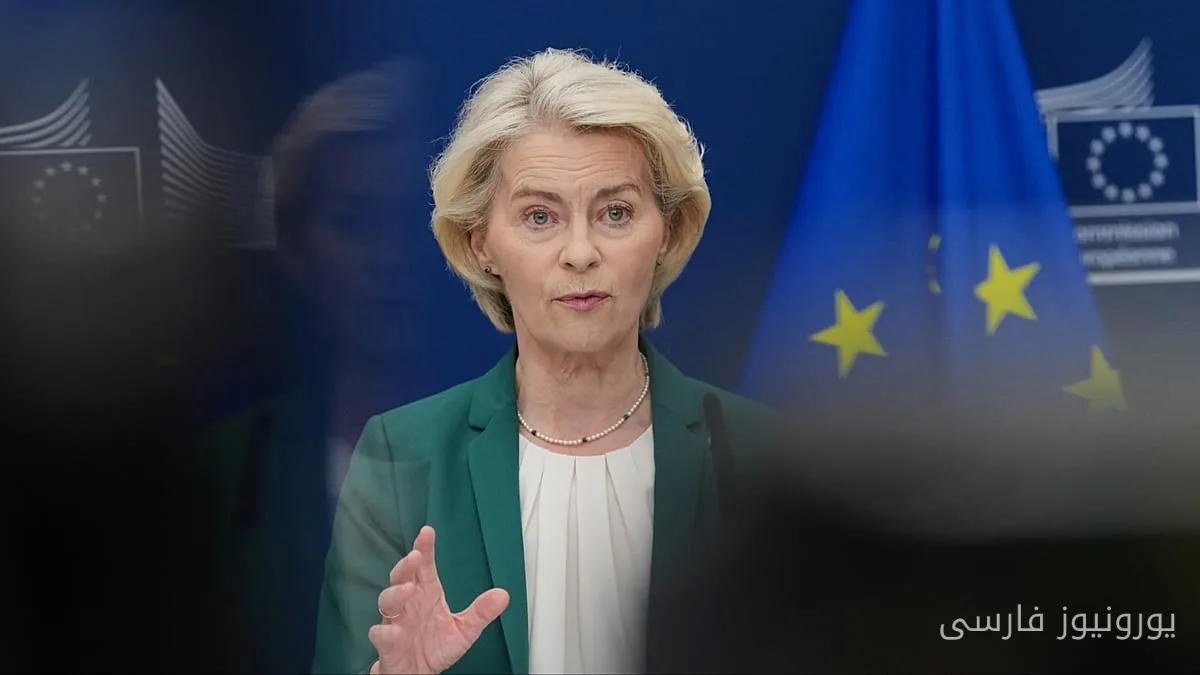
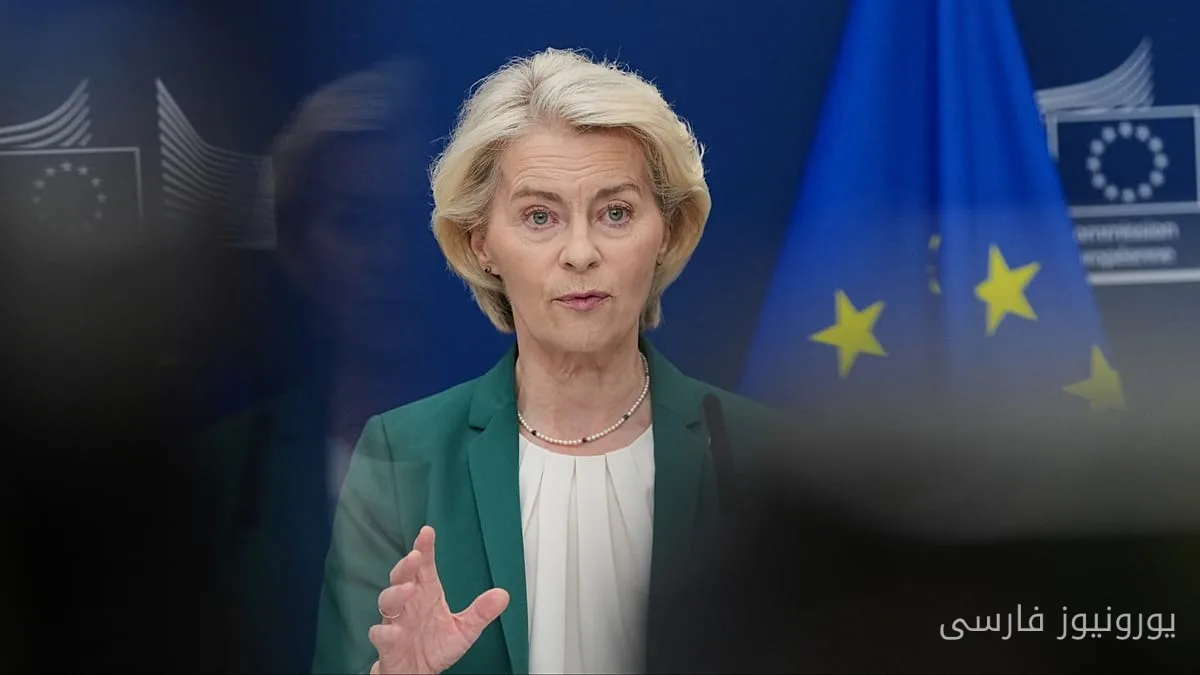
The launch of FLEX demonstrates Europe's commitment to combating climate change and preserving the environment. It is expected that this project will enable researchers and policymakers to utilize precise data to improve environmental conditions and promote sustainable development in Europe.
Read more: Heat Crisis; Three Major Cities in the Battle Against Climate Change · Journey to the World of New Realities in Venice: From the Ruins of the West Bank to 17th Century Amsterdam