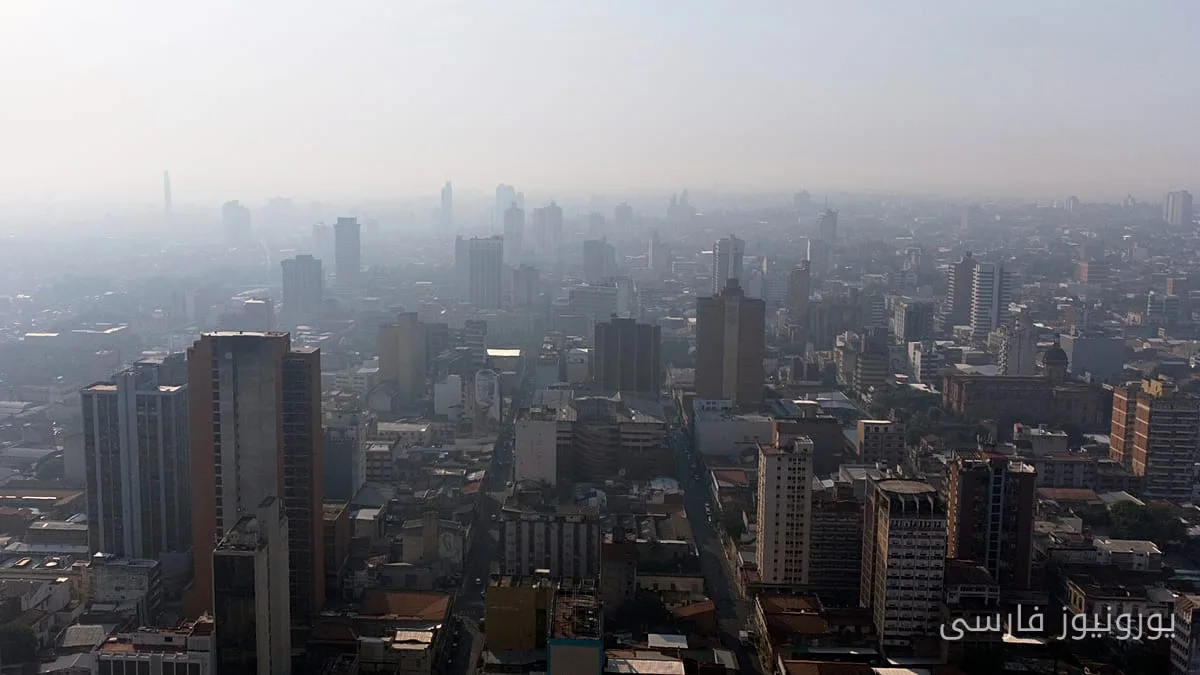
New research indicates that even in cities where air pollution levels are below the World Health Organization's recommended limits, poor air quality can lead to respiratory symptoms at lower levels than previously thought. These findings highlight the high sensitivity of the human respiratory system to fluctuations in fine particulate matter, especially in relatively clean urban environments.
Data Analysis and Pollution Effects
Researchers from Cambridge University in the UK and Tsinghua University in China, along with the sleep technology company Sleep Cycle, examined data related to users' coughing from this app in 32 cities across 12 countries. The findings show that with an increase of 10 micrograms of particulate matter per cubic meter, cough levels rise by 2.4 percent over the next five days. This research was conducted on 100,000 users over a span of 500 days.
Read more: Why Did Hawaii Suffer Under Stormy Rain This Summer?
Cecilia Maskolo, the lead researcher at Cambridge University, stated: "These results suggest that there may be no safety threshold for air pollution. However, individuals may want to consider ways to reduce their exposure to air pollution, such as using masks or air filters."
Broader Health Implications
In addition to immediate respiratory irritation, nighttime coughing also disrupts sleep, which can be linked to broader systemic consequences, including cardiometabolic disorders, reduced cognitive performance, and neurodegenerative risks associated with poor-quality sleep. Researchers also examined the air pollution situation in Los Angeles in 2025, where the city experienced its worst wildfire season in recent years. In this case, it was found that an increase of 10 micrograms per cubic meter of particulate matter led to a 10 percent increase in nighttime coughs, indicating that acute episodes of air pollution can disproportionately increase respiratory symptoms.
Researchers also considered external factors such as weather conditions or influenza levels that could contribute to increased coughing, but the pattern resulting from air pollution remained significant. Among the 13 European cities studied, the average daily concentration of fine particulate matter varied from 5.47 micrograms per cubic meter in Uppsala, Sweden, to 14.70 micrograms per cubic meter in Bergamo, Italy. The average level in these 13 European cities was about 10.58 micrograms per cubic meter.
The World Health Organization recommends that daily exposure should not exceed 15 micrograms per cubic meter for a 24-hour average more than 3 to 4 days a year. Overall, the European cities studied had lower pollution levels compared to the most polluted cities in the world, such as Beijing with 40.97 micrograms per cubic meter or Shanghai with 33.48 micrograms per cubic meter.
The broader health consequences, beyond cough irritation and sore throat, may indicate underlying conditions. Tang Xia, the lead author from Tsinghua University, said: "Everyone coughs from time to time, but coughing, whether it is sudden or persistent, is a sign of irritation or inflammation in the lungs. A cough can be a sign of something that has not yet become chronic, but may turn into it in the future."
Read more: Discovery of an Anaconda in the Danube: Giant Snake in Bavaria! · In Which Countries Have Governments Legalized Assisted Dying?