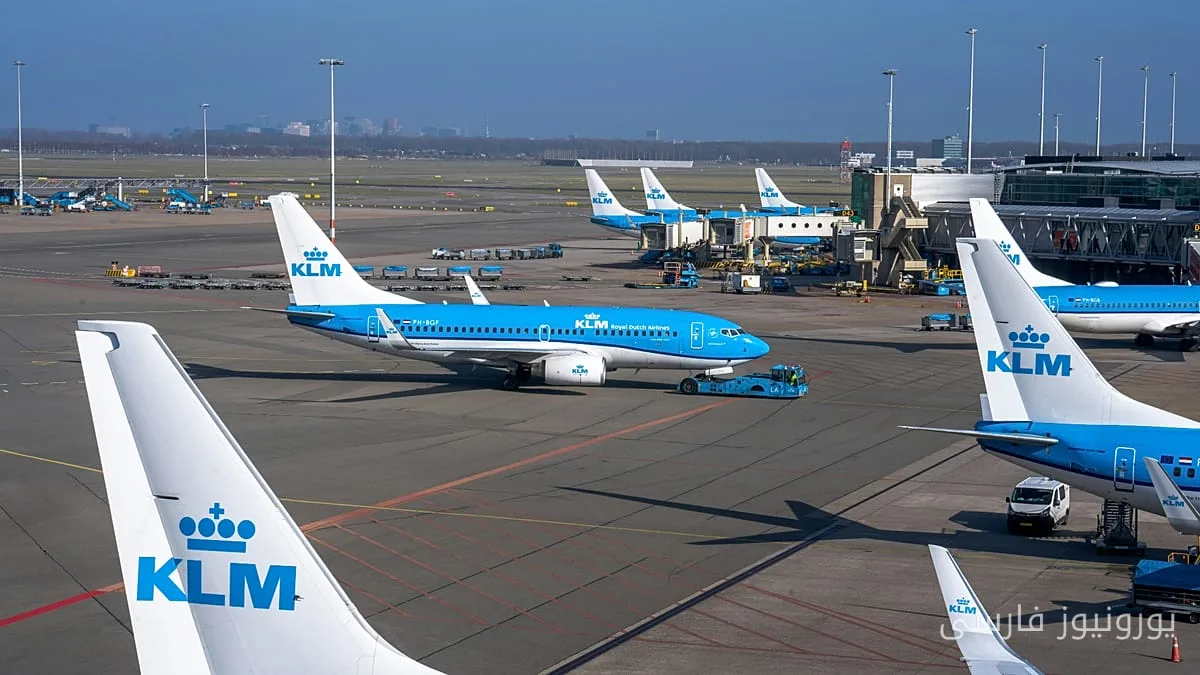
The increase in air traffic in Europe to 35,959 daily flights this summer marks a new record in the aviation industry of the continent. This increase has occurred amidst political and military tensions in the Middle East, including recent wars, which have influenced the travel behaviors of European citizens. Due to this situation, many travelers have turned to closer destinations within European countries.
Changing Travel Patterns in Europe
Given the unsafe conditions in some parts of the Middle East, European citizens have particularly traveled to neighboring countries and closer tourist destinations. Countries such as Albania, Croatia, Cyprus, Greece, Montenegro, North Macedonia, Serbia, and Slovenia have been chosen as attractive summer holiday destinations. This change in travel patterns has not only led to an increase in the number of flights but has also contributed to economic growth in these countries.
Read more: Russian drone attacks on the Ukraine-Poland supply route caused a border fire
Economic and Social Implications
The increase in domestic and regional travel in Europe can have positive implications for the tourism industry and local economies of these countries. With rising demand for aviation services, airlines have also turned to providing better services and increasing flight capacities. On the other hand, these developments may indicate a change in travelers' priorities as they seek closer and safer experiences.
Additionally, these changes could impact long-term trends in the aviation industry in Europe. In the future, we may witness further changes in traveler behavior as well as airline strategies. As citizens seek easily accessible and safe destinations, European countries must respond to these needs to maintain their share of the tourism market.
Read more: Macron and von der Leyen: The need to strengthen Europe's space sector in a new security era · Thomas Pesquet: Europe must maximize scientific utilization of the space station