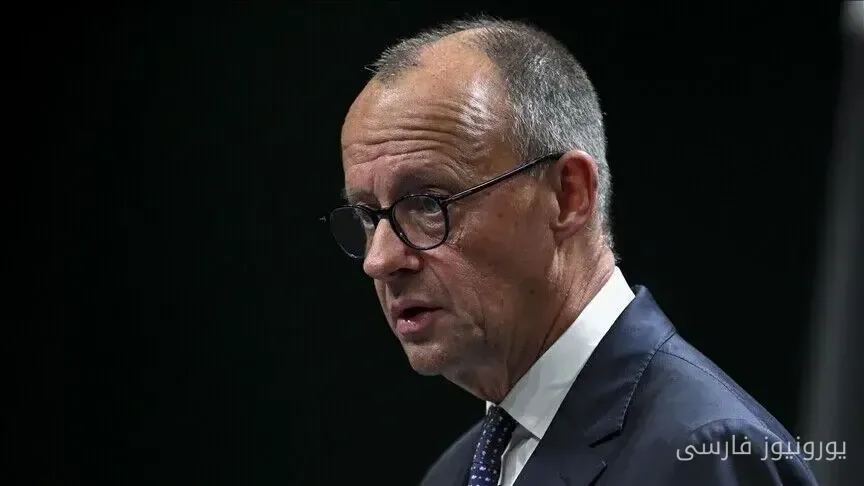
The Chancellor of Germany, Olaf Scholz, has canceled his trip to New York amid increasing domestic pressures. This decision comes as polls indicate that nearly half of German citizens expect him to resign from his position by the end of the current year.
Domestic Pressures and Public Discontent
Recent polls show that public dissatisfaction with Scholz's government has significantly increased. Many German citizens have become disillusioned with his policies due to economic problems, social crises, and political challenges. This discontent has reached a point where some political analysts believe the Chancellor may soon be forced to leave his office.
This pressure has intensified especially as Germany faces economic and social crises. Rising prices, energy supply issues, and the inability to resolve the migration crisis are among the main challenges that Scholz's government is grappling with.
Consequences of Cancelling the Trip to New York
The cancellation of the trip to New York not only negatively impacts Germany's international reputation but also signifies a weakness in Scholz's leadership. This trip was supposed to be an opportunity to participate in important global meetings and strengthen diplomatic relations, but it is now interpreted as a sign of weakness in government management and planning.
Many political experts believe that this cancellation could adversely affect Germany's relations with other European countries and even the United States. While Germany is recognized as one of the major economic powers in Europe, these domestic pressures may undermine its position on a global scale.
Meanwhile, some members of the Social Democratic Party (SPD) to which Scholz belongs have called for a reassessment of government policies and fundamental reforms. This indicates that even within the party, there is dissatisfaction with the Chancellor's performance, which could lead to a leadership crisis in the near future.
Overall, the current situation in Germany and the recent decisions made by Chancellor Scholz have raised concerns among citizens and political analysts. These developments not only affect Scholz's political future but could also lead to significant changes in Germany's economic and social policies.