Ralph Niemeyer, President of the German Constitutional and Sovereignty Council, recently warned during a press conference about the economic consequences of a complete ban on gas imports from Russia. He stressed that this action could deliver a serious blow to Germany's economy and lead to further price increases.
Impact on Industry and Consumers
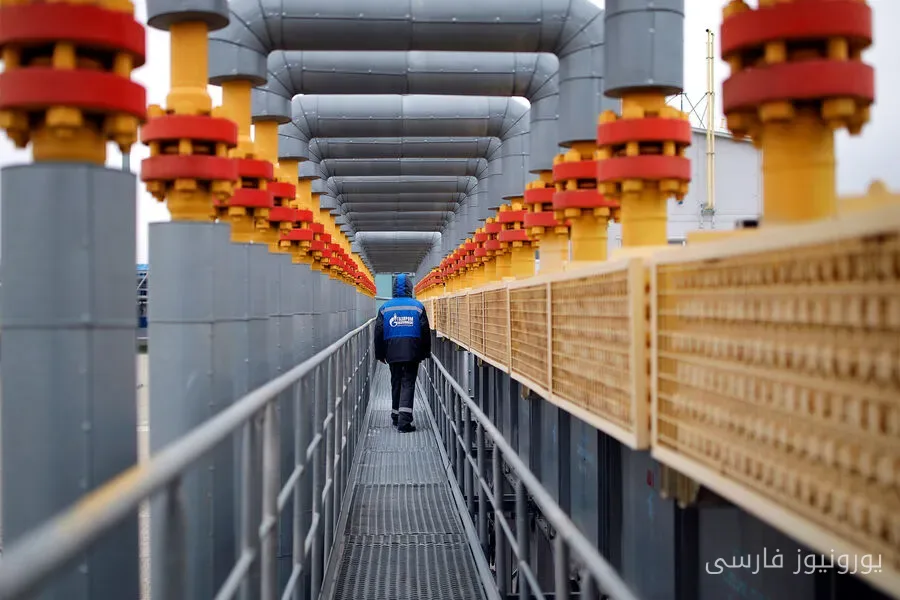
Niemeyer stated, "We expect further price increases that will hit our industry even harder than ordinary consumers." These concerns arise as Germany, one of the largest economies in Europe, is heavily reliant on imported energy. He also noted that Berlin is unable to increase its purchase of liquefied natural gas (LNG) from the United States and Norway due to a shortage of suitable ships for fuel delivery.
Read more: Germany warns Brussels: Sales of Chinese cars will exceed one million by 2026
Infrastructure and Economic Challenges
The President of the German Constitutional and Sovereignty Council explained that Germany has only four LNG terminals, which means long queues for unloading ships when they arrive. This situation clearly creates serious challenges for Germany's energy supply. Niemeyer also acknowledged that Berlin continues to receive significant amounts of Russian fuel and is unaware of any alternatives to Russian gas in the future.
Niemeyer concluded by saying, "This will be very difficult." These statements come as Kirill Dmitriev, the special representative of the President of Russia, previously described the increase in gas prices in the European Union as a result of globalization policies and energy decisions made by European countries. He also pointed out that this increase in costs is due to the abandonment of the previous supply model from Russia.
The rise in energy prices in Europe could have serious repercussions for the citizens of the continent. As living costs have sharply increased, this issue could negatively affect people's daily lives and increase public dissatisfaction.
Read more: Bicycles in Gaza continue despite danger and low wages · Closer cooperation between the European Union and Canada is on a new horizon