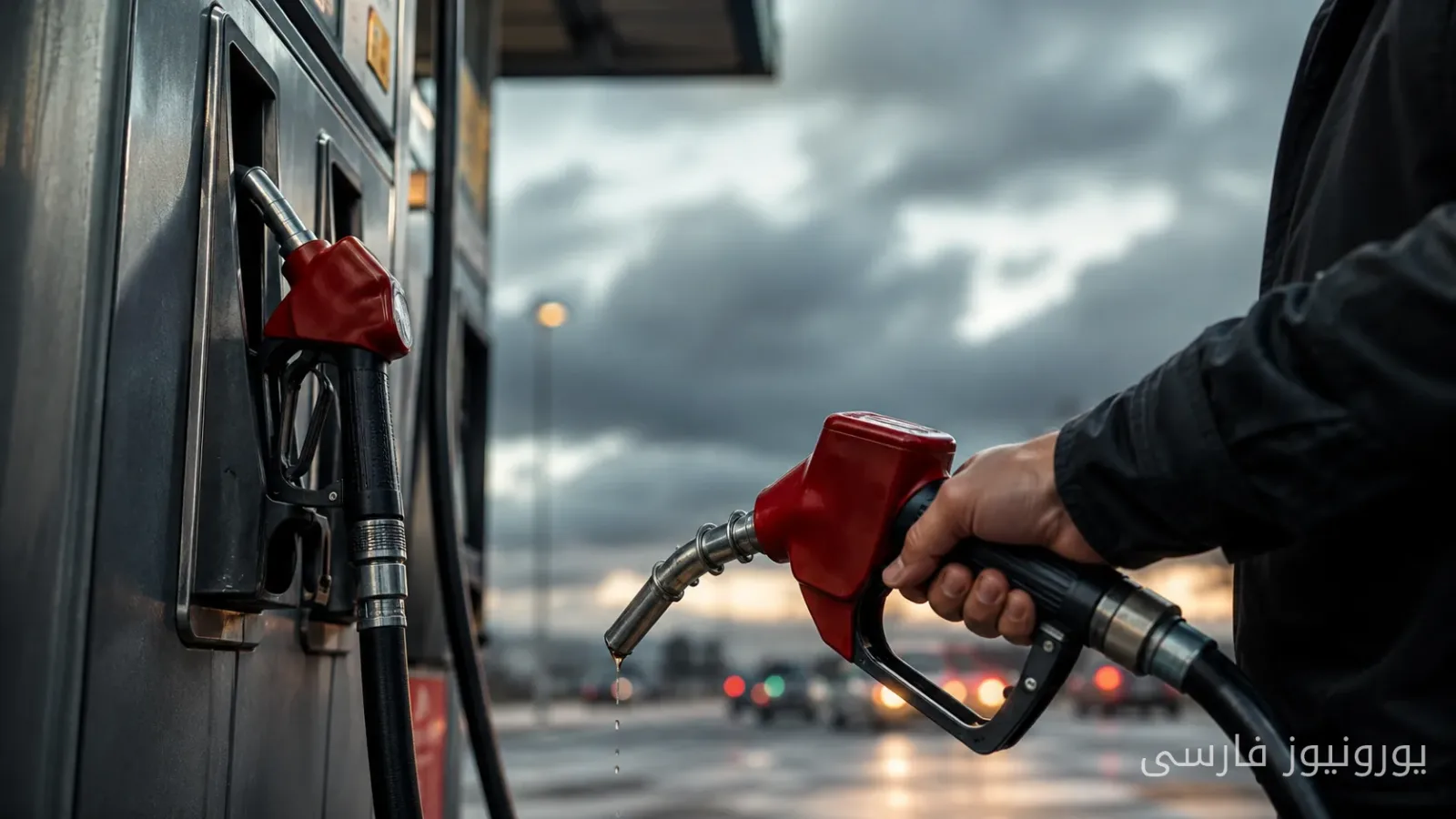
The fuel market in Germany has entered a tense period. The average price of diesel has reached €2.471 per liter, equivalent to 648,000 tomans. The price of E10 gasoline has also decreased to €2.308. These figures indicate a significant increase in fuel market prices, but the actual price at some specific stations, especially on highways, has reached the threshold of €3.
Price differences at various stations
The €3 price for gasoline does not represent a national average and has been recorded mostly at expensive highway stations. For example, at the Nikolaus highway station in Berlin, the price of super plus reached €3.039 per liter, which is equivalent to 797,000 tomans. This indicates that drivers refueling on highways may incur much higher costs than others.
Read more: Revolut is seeking dual registration in New York and London for its IPO
Causes of fuel price increase
The increase in diesel and gasoline prices in Germany is related to energy supply disruptions and increased risks in oil transportation routes. Ongoing conflicts in the Middle East and disruptions to tanker traffic in the Strait of Hormuz and Bab el-Mandeb have led to a reduction in the supply of oil and petroleum products. At the same time, damage to some energy facilities has also put additional pressure on the market.
While the price of crude oil in the global market has decreased to around $103.73 per barrel, this reduction does not immediately translate to lower prices at fuel stations. The time lag between crude oil prices and final fuel prices means that drivers still face high costs.
According to new data, diesel and gasoline prices in Germany have risen sharply, impacting household and transportation costs. Diesel, as the primary fuel for trucks and commercial vehicles, can lead to increased transportation costs and consequently higher consumer prices.
The German government is negotiating a support package to reduce fuel costs. This package includes reinstating fuel discounts and establishing a price cap for fuel. Reducing energy taxes and value-added tax could help lower prices. The final details of this plan are still under review.
Despite efforts to alleviate pressure on the fuel market, factors such as ongoing regional tensions and oil supply conditions will also influence prices. Currently, drivers are facing significant financial pressure from fuel costs, which could add to their monthly expenses.
Read more: The Prime Minister of Portugal presents a plan to tackle the cost of living · Hans-Joachim Watzke: Gianni Infantino should resign from the FIFA presidency