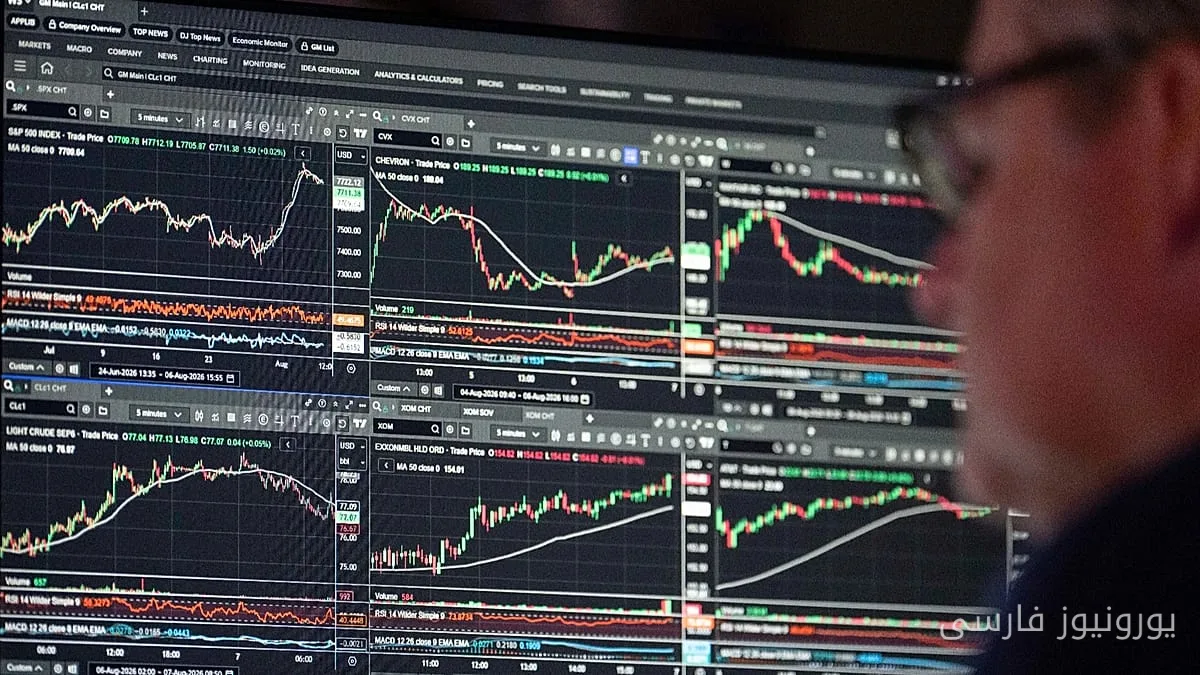
The European Union (EU) has discussed the imposition of unexpected taxes on energy companies during its finance ministers' meeting in Dublin. This proposal arises particularly as Brent crude oil prices have surpassed $100 per barrel, and severe fluctuations in energy prices have increased inflation across the union.
The impact of energy prices on the European economy
While economic growth indicators remain positive this year, economic growth is expected to slow down in 2027. The European Commission has urged member states to adopt prudent fiscal policies and remain within the existing fiscal flexibility, which is 1.5 percent for defense spending. Of this amount, 0.3 percent can be used to control energy prices.
Read more: Vladimir Zelensky launched the 'Carpathian Eight' alliance to increase regional investment
Tax proposals and varied reactions
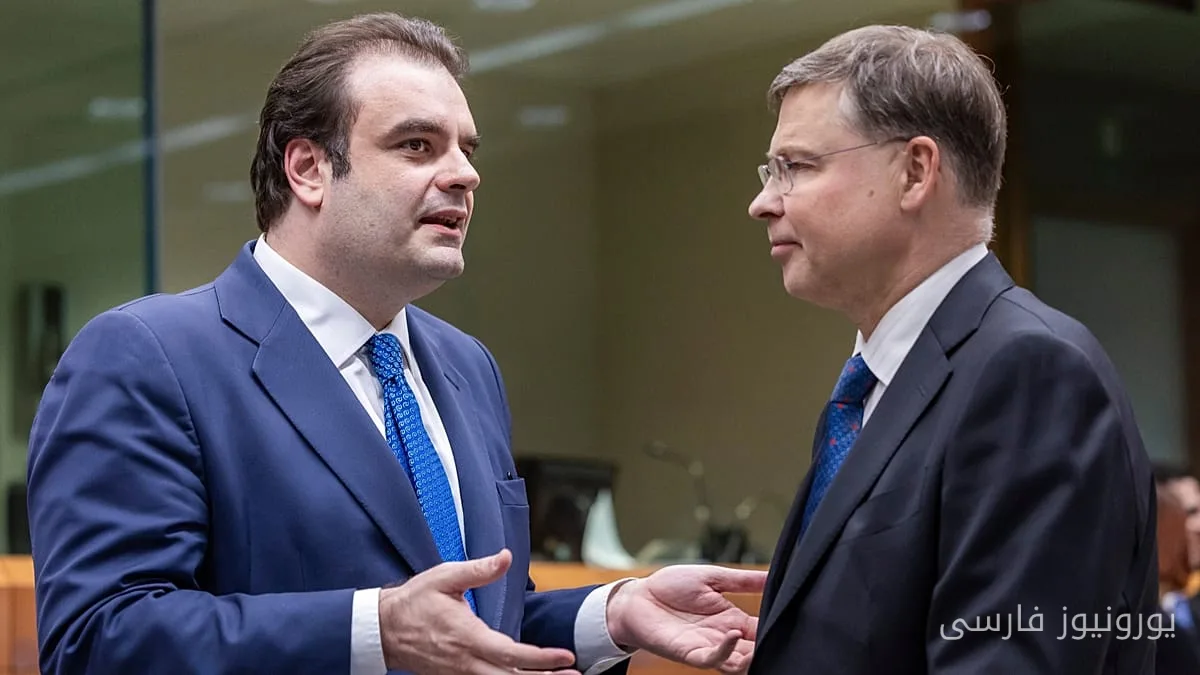
Valdis Dombrovskis, the European Economic Commissioner, announced at a press conference that several member countries have raised this initiative, adding: "Member states can implement unexpected taxes on profits at the national level. We are ready to support these countries by providing best practices."
The German Finance Minister, Lars Klingbeil, has asked the European Commission to present unexpected tax models and has called for a proposal for the next Economic and Financial Council meeting in October. Meanwhile, Carlos Cuervo, the Spanish Finance Minister, has also expressed his support for this proposal, stating: "We are trying to reduce costs for households and industries and are looking for fairer ways to distribute these costs."
However, Roland Lescure, the French Finance Minister, views this proposal more cautiously, emphasizing that any discussion should take into account the specific characteristics of each country.
Currently, different EU countries are affected differently by the energy crisis, and fuel prices at pumps vary significantly. While Northern European countries like Finland and Denmark face some of the highest fuel taxes, Eastern European countries like Bulgaria and Poland have imposed lower fuel taxes.
In this context, refining capacity in each region can also significantly impact energy pricing. Member states must seek solutions to cope with energy price fluctuations and meet their needs.
Read more: Donald Trump threatened heavy tariffs against Europe · Trump: Acceptance of Canada as an associate member in the European Union could be a hostile act