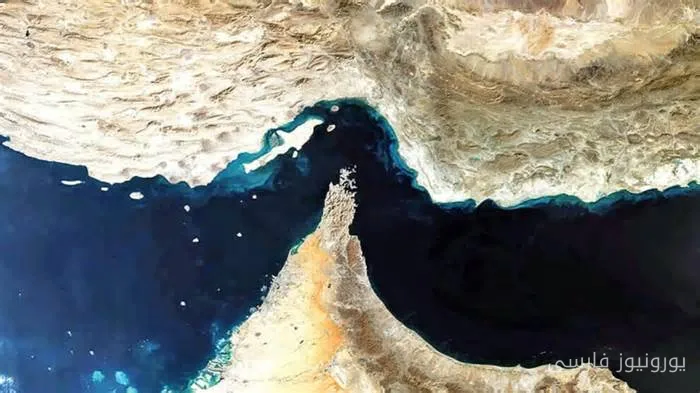
Friedrich Merz, the Chancellor of Germany, on Tuesday, September 24, during a joint press conference with Ali Falih al-Zaydi, the Prime Minister of Iraq, urged Iran to end any actions to block the Strait of Hormuz. This request comes as tensions in the Persian Gulf have significantly increased, raising serious concerns about shipping security and energy supply in the region.
International concerns over the blocking of the Strait of Hormuz
The Strait of Hormuz, considered one of the most important shipping routes in the world, plays a key role in the transportation of oil and gas to global markets. About one-fifth of the world's oil passes through this strait, and its blockage could lead to rising prices and disruptions in energy supply in Europe and other parts of the world. The Chancellor of Germany emphasized the importance of maintaining freedom of navigation in this strait, stating that Europe and other countries would react strongly in the event of any hostile actions from Tehran.
Read more: The Houthis have taken control of more islands in the Red Sea off Yemen
Security and economic consequences
Recent tensions in the Persian Gulf and Iran's threats to block the Strait of Hormuz have significantly impacted global markets. Analysts believe that any military or economic action by Iran could lead to a sharp increase in oil and gas prices in Europe. In this context, Ali Falih al-Zaydi, the Prime Minister of Iraq, also emphasized the need for international cooperation to maintain security and stability in the region, stating that Iraq, as a neighboring country, is ready to play a positive role in this regard.
In this regard, European countries are seeking to strengthen their cooperation with each other and with Middle Eastern countries to prevent new crises. Given Europe's heavy dependence on energy imports from the Middle East, any tensions in this region could have widespread effects on Europe's economy.
Read more: NBC helicopter crash in Los Angeles killed three people · Qatar warned about the consequences of closing Bab al-Mandab