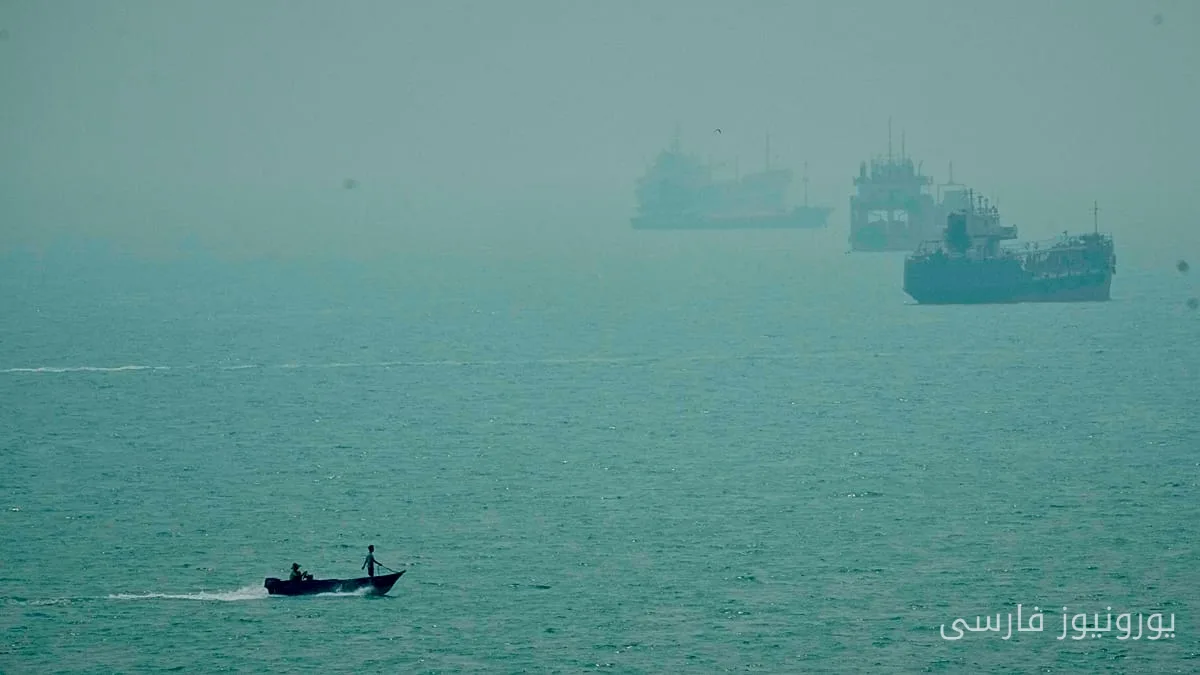
Qatar has warned of the dangers of closing Bab al-Mandab and stated that this action could have catastrophic consequences for the entire world. Ibrahim bin Sultan Al Hashimi, Director of Media and Communications at the Qatari Ministry of Foreign Affairs, emphasized at a press conference on Tuesday in Doha that the closure of this entrance to the Red Sea, while the Strait of Hormuz is also closed, would worsen the situation.
Global Consequences of Closing Bab al-Mandab
Al Hashimi said at the conference: "The world is already suffering enough from the closure of the Strait of Hormuz, so we cannot add Bab al-Mandab to this equation." He warned that the closure of these international waterways should not become a "new norm" and urged countries to cooperate to prevent this situation.
Read more: French Father Sent to Prison for Threatening to Behead His Son's Teacher
Strengthening Houthi Position in Bab al-Mandab
This warning comes after the seizure of more islands by Iran-backed Houthis in the Red Sea, particularly near Bab al-Mandab. Yemeni government officials and Houthis announced on Monday that the group has taken control of the Greater and Lesser Hanish Islands after the retreat of the allied government forces. The Houthis had previously taken control of the coastal port of Al-Mokha and the island of Perim at the entrance to the strait.
Saudi Arabia supports the internationally recognized Yemeni government, and its forces are trying to regroup after these losses. The Houthis have also carried out multiple attacks on Saudi oil infrastructure and vessels in the Red Sea, putting further pressure on energy supplies in the region.
Strategic Importance of Bab al-Mandab
Bab al-Mandab, which in Arabic means "Gate of Tears," connects the Gulf of Aden to the Red Sea, and thus, ships traveling between Asia and Europe via the Suez Canal must pass through this area. Previous Houthi attacks have forced many ships to reroute around South Africa, adding delays and extra costs to their journeys.
The Qatari Ministry of Foreign Affairs has stated that it is working with regional and international partners to support negotiations regarding freedom of navigation through the Strait of Hormuz and has emphasized the importance of diplomacy in resolving these crises. Al Hashimi said: "This is not impossible, as ultimately the only solution will be through the negotiating table, and we are seriously working towards that."
Read more: Analysis of Threats from Drone Flights from Belarus to Lithuania · Houthis Take Control of New Islands in the Red Sea of Yemen