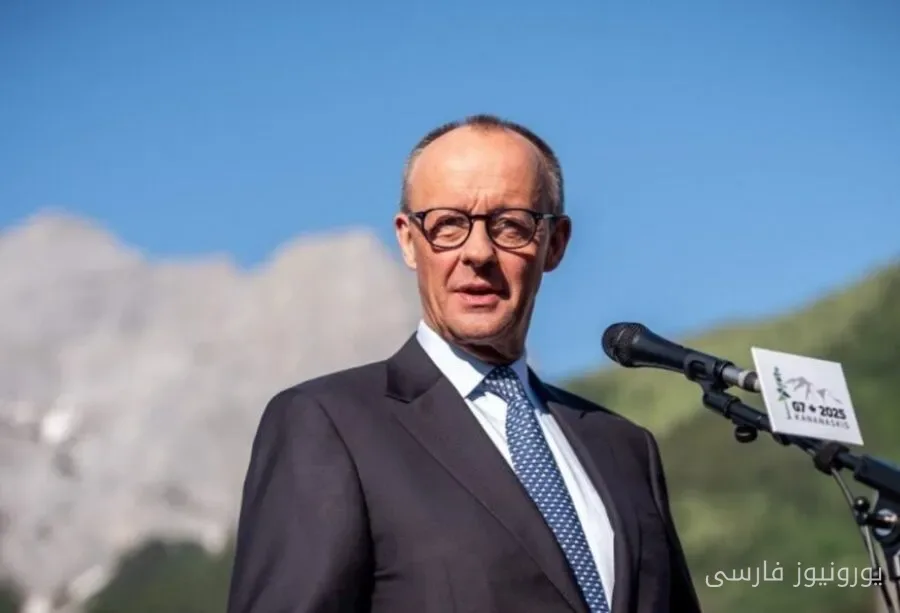
Friedrich Merz, the Chancellor of Germany, emphasized in his statements that the era of unconditional friendship with the United States has come to an end. These remarks, made in front of members of the German Conservative Party, signal an increase in disagreements between Berlin and the current U.S. government led by Donald Trump.
The End of the Transatlantic Friendship Era
Merz stated in his speech in Berlin that the era of transatlantic friendship without any preconditions is likely over for the near future. He referred to changes in political attitudes across the Atlantic as well as in the perception of the transatlantic alliance; developments that few had anticipated before.
Read more: Tensions Rise in Ceuta with Police Shooting at Migrants
These remarks come especially on the eve of state elections in Berlin and in light of political changes at the international level. Merz compared the current state of German-U.S. relations to the visits of previous U.S. presidents to Germany, referencing the historic speeches of John F. Kennedy and Ronald Reagan, and emphasized the need to reassess these relations.
Reactions to Canada's Proposal and Political Tensions
Merz's statements were made following the acceptance of a proposal by Mark Carney, the Prime Minister of Canada, to join the European Union. This move has led to strong reactions from Donald Trump, who threatened to impose additional tariffs on the European Union if U.S. interests are harmed.
Additionally, Trump had previously welcomed the victory of the far-right Alternative for Germany party in the recent state elections in that country. This victory has increased tensions in the political atmosphere of Germany and led to calls for Merz to resign from his position.
Merz also claimed earlier this year in April that American negotiators in talks with Iran had been "humiliated"; remarks that faced a strong backlash from the Trump administration. Following these tensions, Trump announced plans to withdraw approximately 5,000 U.S. troops from Germany.
These recent remarks by Merz recall the positions of Angela Merkel, the former Chancellor of Germany, in 2017. Merkel had pointed out at that time that the reliable relationship with the United States that had formed after World War II had significantly come to an end.
Read more: The EU's Plan to Make Canada a 'Dependent Member' Faces Negative Reaction from Trump · Increasing Diplomatic Tensions Between Moscow and Berlin with the Closure of the German Consulate in St. Petersburg