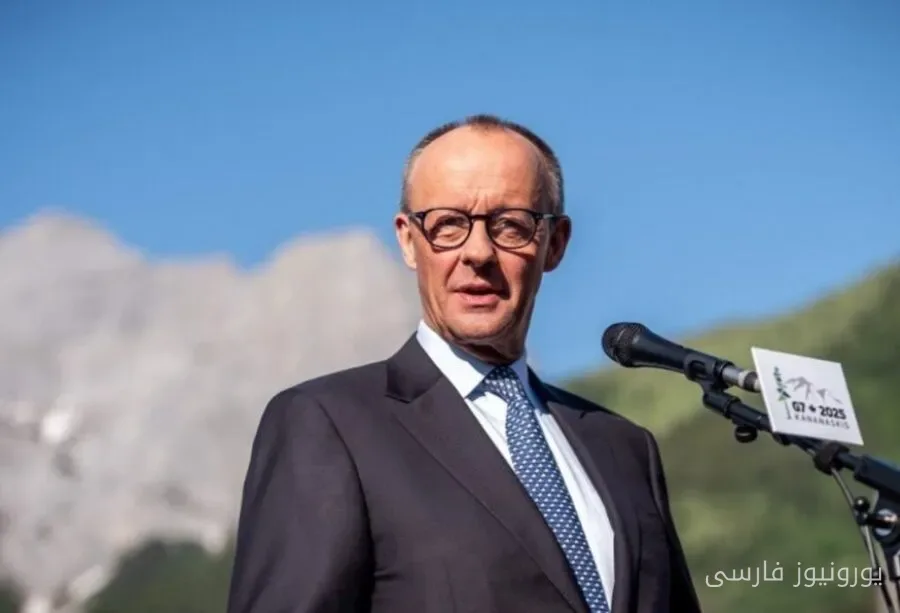
The German Chancellor, Friedrich Merz, in statements to members of his party in Berlin, referred to the end of the era of unconditional friendship with the United States. He emphasized that this change in political outlook will have a profound impact on transatlantic relations and is likely to continue for the foreseeable future.
Changes in International Relations
Merz, who made these remarks on the eve of the Berlin state elections, compared the current situation with previous visits of American presidents to Germany and referenced the speeches of John F. Kennedy and Ronald Reagan. These comparisons reflect profound changes in international relations and a new assessment of the transatlantic alliance, which was previously regarded as a fundamental principle.
Read more: Axel Wilhelm Dietmann summoned; the diplomatic crisis between Germany and Iran has intensified
These remarks came after Mark Carney, the Prime Minister of Canada, accepted the proposal to join the European Union, an action that faced a strong reaction from the Trump administration. The President of the United States has threatened to impose additional tariffs on the European Union if this new relationship harms American interests.
Domestic and International Consequences
The Trump administration also reacted to the victory of the far-right party “Alternative for Germany” in the state elections earlier this month and has challenged Merz. These results, which have caused turmoil in Germany's political structure, have led to calls for Merz's resignation. Additionally, Merz had previously humiliated American negotiators in talks with Iran in April, which drew severe criticism from the Trump administration.
Merz's recent statements also recall the remarks of Angela Merkel, the former Chancellor of Germany, in 2017, when she also referred to the end of reliable relations with the United States. These changes in international policies and transatlantic relations will have significant implications, especially for European citizens, and may lead to a reassessment of domestic and foreign policies in European countries.
Germany, as one of the main powers of the European Union, is now facing new challenges that could impact the security and stability of the region. These developments highlight the need for a reassessment of international relations and the strengthening of new alliances at the global level.
Read more: Azerbaijan emphasized the preservation of its Christian heritage as part of its history · Increase in gasoline prices in Germany and its impact on drivers