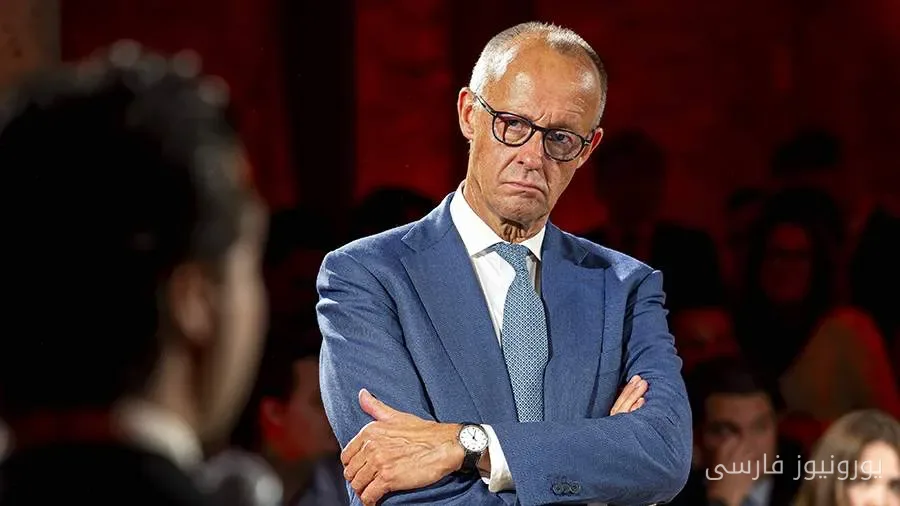
Friedrich Merz, the Chancellor of Germany, announced to his party members in the "Christian Democratic Union" at an election rally in Berlin that the era of unconditional transatlantic friendship is likely over for the foreseeable future. He continued: "We are witnessing a change in political attitudes across the Atlantic and also a change in how we view the transatlantic alliance; developments that we might not have even imagined occurring."
Criticism and Challenges
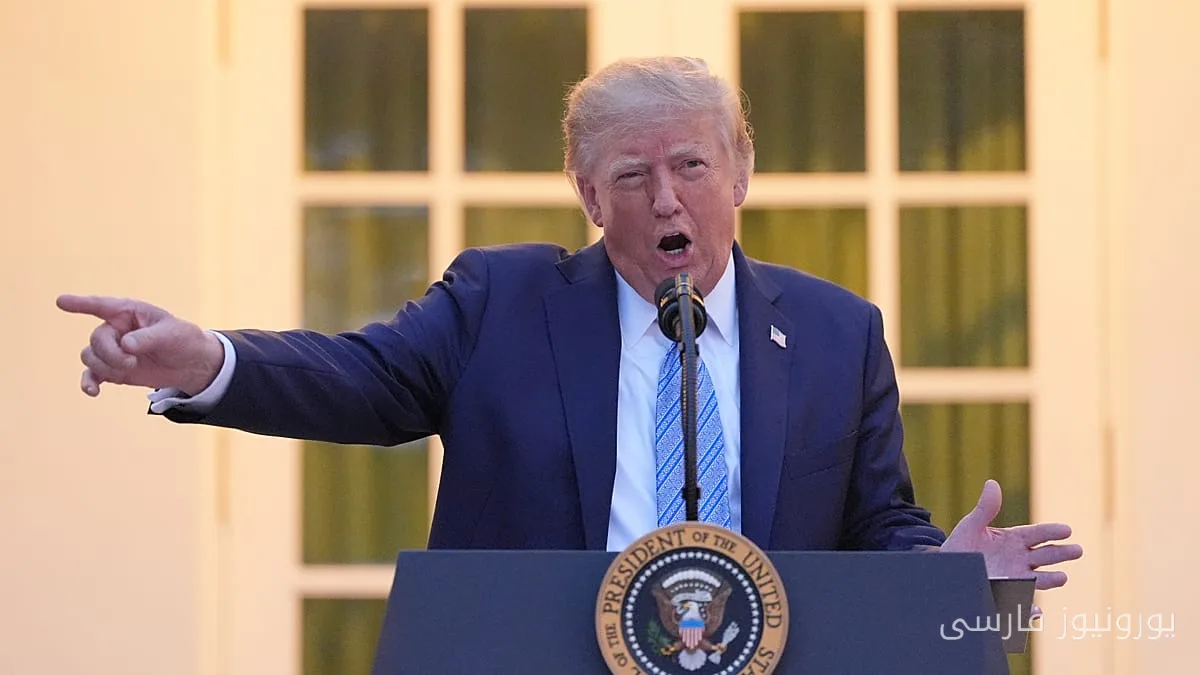
Merz, who was previously one of the most pro-American politicians in Germany, has repeatedly clashed with the U.S. government in recent months. He pointed out the lack of a coherent strategy from the U.S. in the Middle East last April and referred to the U.S. as a "humiliated" country during the war against Iran. In contrast, former President Donald Trump advised him to focus on improving the domestic situation in Germany.
Read more: Mark Carney Welcomed the Coalition of the European Union and Canada
Additionally, Merz has recently stated that he no longer sees the United States as the "land of opportunity" and has discouraged his children from traveling there for work or study. This shift in attitude clearly reflects the growing dissatisfaction among German officials with U.S. policies, especially since Trump's return to the White House in 2025.
Increased Military Responsibilities for Germany
Merz has also emphasized the need to increase Germany's military spending, stating: "We should have taken on more responsibility ourselves a long time ago." While Germany faces a structural crisis in its economy, he stressed that his country will continue to strengthen its military and also finance Ukraine in its conflict with Russia.
Reactions to Merz's statements and changes in German policies indicate a fundamental shift in the structure of transatlantic relations. Trump has attacked him for his criticisms of the war against Iran and criticized him for his "very poor performance" as Chancellor.
Meanwhile, J.D. Vance, the U.S. Vice President, criticized European governments at the Munich Security Conference for "erosion of free speech" and "uncontrollable immigration," which further fuels concerns among European officials.
Given these developments, it seems that Europe must prepare for a new era of relations with the United States, an era in which collaborations and agreements will likely be influenced by political and economic changes. Additionally, these developments could impact the future of military and economic cooperation across the Atlantic.
Read more: Ursula von der Leyen's Actions to Address Europe's Challenges · The Chancellor of Germany's Message to America: The Era of Unconditional Friendship is Coming to an End