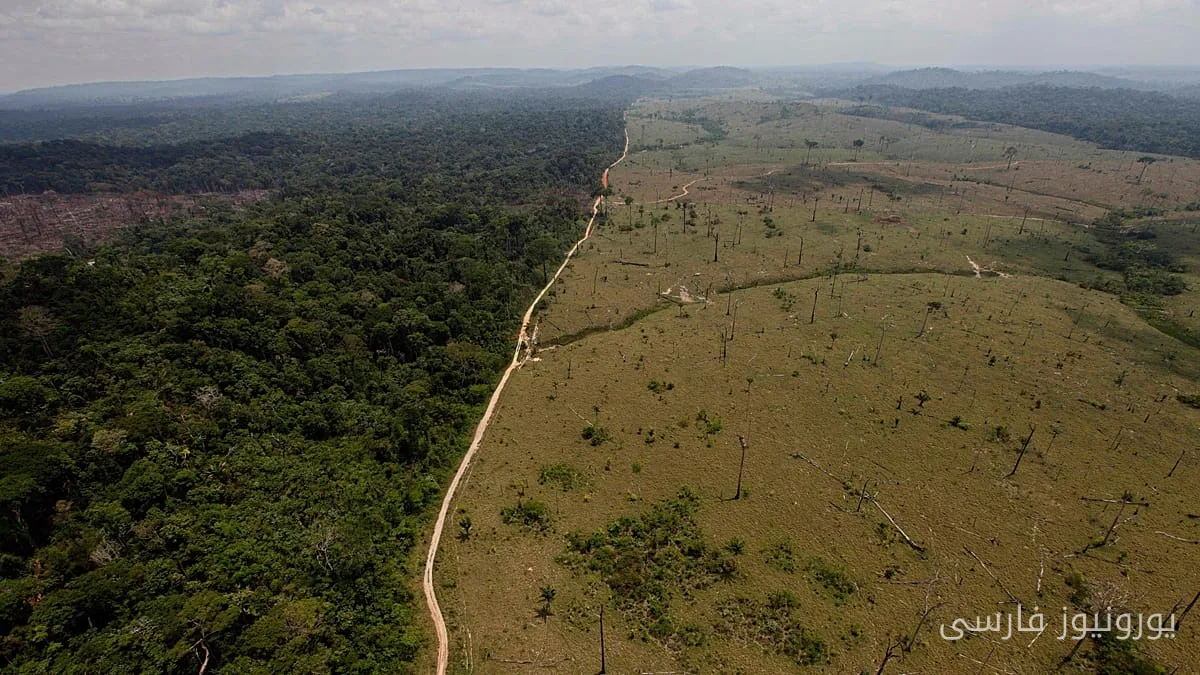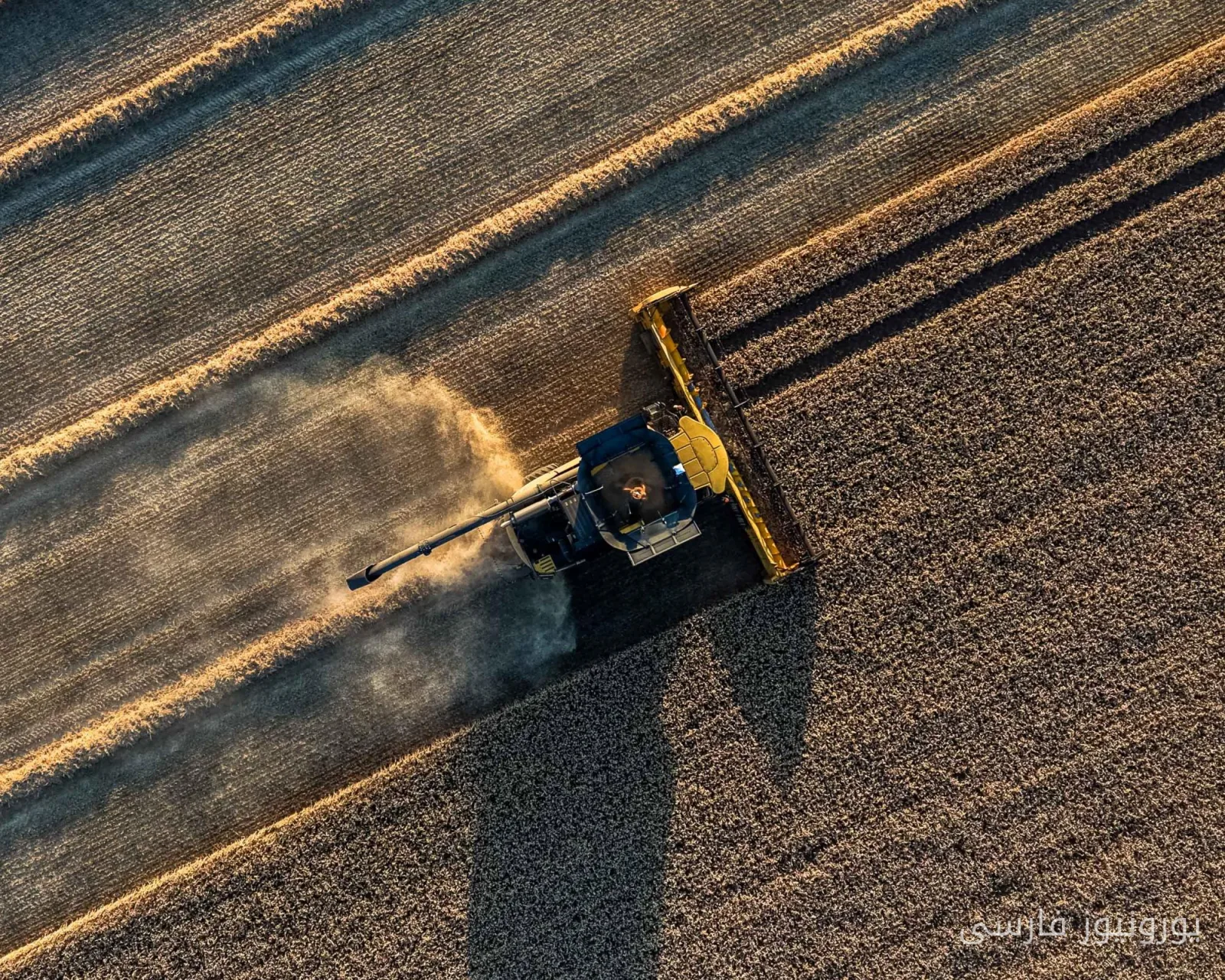
England is facing a deep crisis of moisture shortage in its soils. Dry conditions in most areas of England and Wales have raised serious concerns about the impacts on agriculture and local ecosystems. To understand this crisis, we must pay attention to the concept of 'Soil Moisture Deficit' or SMD. This index indicates the amount of moisture that the soil needs to absorb to reach its full capacity.
The Current State of Soils in England
Under normal conditions, when the lands are fully moist and excess water has drained from them, they are said to have reached their field capacity. In winter, SMD in southern England is usually close to zero, but in summer it can reach around 100 millimeters and in dry years even 150 millimeters or more. This situation indicates the severe thirst of the soils and their urgent need for rainfall.
Worrying Consequences
The severe moisture shortage in soils, especially in southern England, is a warning sign for farmers and the environment. When the soil reaches the Permanent Wilting Point (PWP), there is no water left for plants to absorb, which can lead to the gradual death of crops and a decrease in biodiversity.
According to forecasts, it is essential for the government and relevant authorities to take immediate actions to manage water resources and optimize their use. Otherwise, England may face serious consequences regarding food security and environmental preservation. The current water crisis clearly highlights our need for serious attention to climate change and its effects on our natural resources.