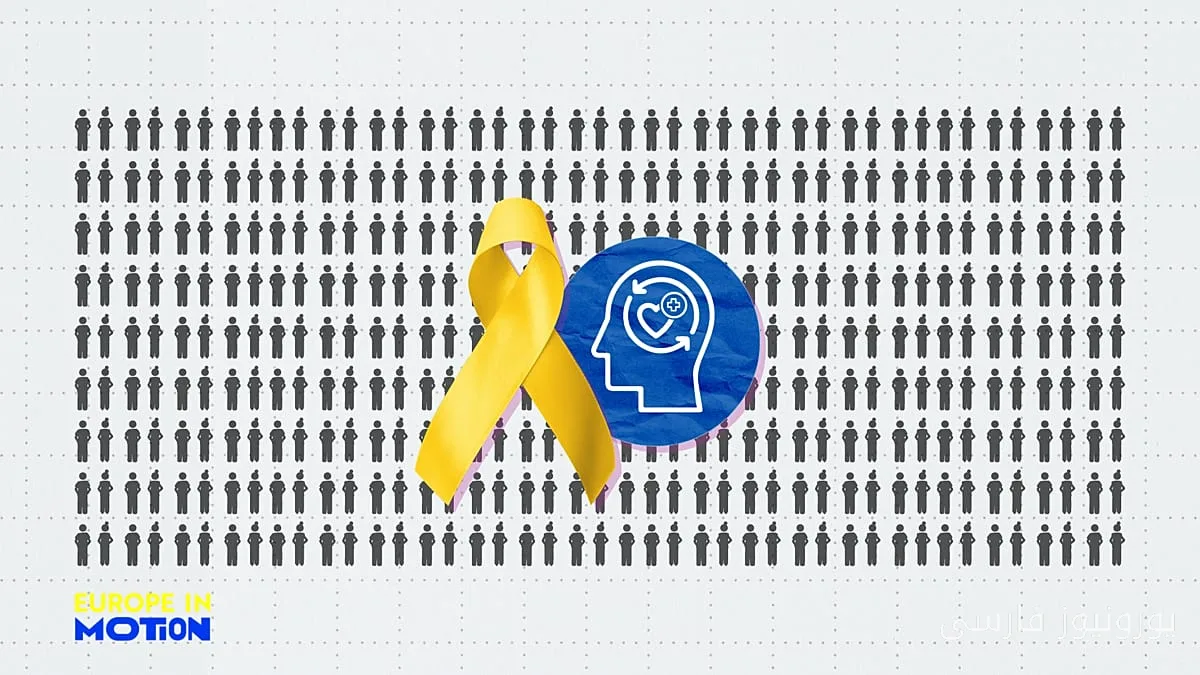
Suicide rates in the European Union have gradually decreased in recent years, but men continue to suffer more seriously from this issue. Changes in mental health, particularly suicide prevention, are considered an important political and social priority across the continent.
Current Status of Suicide Rates
Statistics show that suicide rates in some European countries have significantly decreased, while in other EU member states, these changes are not uniformly observed. In fact, some countries have managed to reduce their suicide rates by half, while others still face serious challenges.
According to published data, men are significantly more at risk of suicide compared to women. This may be due to social, cultural, and economic factors that push men towards greater psychological pressures. In many countries, men are less inclined to seek psychological help, which can exacerbate the problem.
Social and Cultural Impacts
Mental health is becoming an increasingly sensitive social issue in Europe. Governments and NGOs are working to raise awareness about this issue, especially among men, by implementing educational and preventive programs. These programs include psychological counseling, workshops, and public campaigns aimed at reducing stigma and encouraging individuals to seek help.
Moreover, different countries have varying approaches to suicide prevention. In some countries, access to mental health services has improved, while in others, these services are still not fully available. These disparities in access to services can have a direct impact on suicide rates in these countries.
Overall, although suicide rates in the European Union are gradually decreasing, many challenges still remain. To achieve better outcomes, there is a need for international cooperation and ongoing efforts to improve mental health among all segments of society. This issue not only affects individuals with mental health problems but also impacts the entire community and the quality of life of citizens.