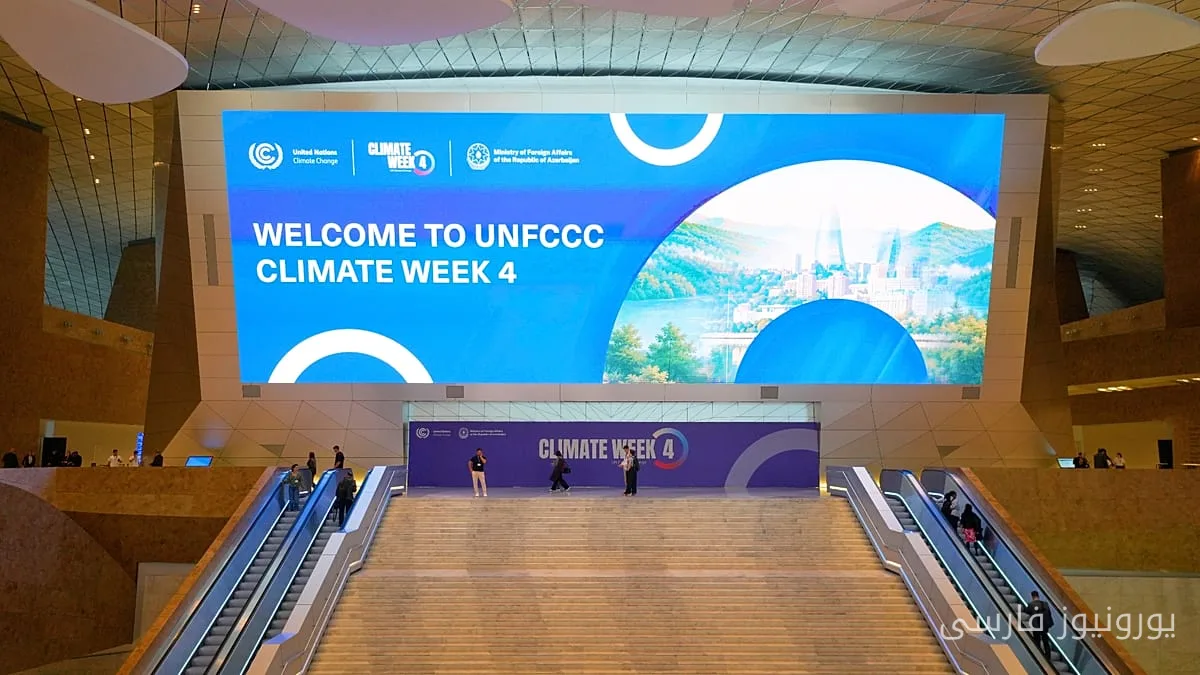
Azerbaijan has taken a significant step by announcing the allocation of 1 billion manat (approximately 540 million euros) for climate-resilient irrigation infrastructure, as part of its government program for the years 2026 to 2030. This news was announced during the Baku Climate Action Week, two years after the COP29 conference was held in the city.
Investment in Irrigation Infrastructure
The announced amount constitutes approximately 40 percent of Azerbaijan's government agricultural budget for climate adaptation. This investment will help improve modern irrigation systems in the South Caucasus, where water scarcity, seasonal changes, and soil degradation are rapidly increasing.
Read more: Atlantic hurricane season with a new record and fiery El Niño
Farmers' Scoring System and Innovative Techniques
Azerbaijan's Minister of Agriculture, Magan Mammadov, also announced the launch of an AI-based scoring system for farmers. Developed in collaboration with the Food and Agriculture Organization (FAO), this system helps small farmers benefit from advanced subsidy payments. Mammadov stated that the assessment of farmers' eligibility is based on three main criteria: adoption of modern agricultural practices, economic value of the selected product, and use of water-saving and soil restoration techniques.
These measures are particularly important for small farmers who are vulnerable to climate fluctuations. According to Mammadov, international investors in local agricultural infrastructure will also have equal access to subsidies.
Industrial Development and Green Energy
Meanwhile, the United Nations Industrial Development Organization (UNIDO) has urged Azerbaijan to prioritize domestic use of green hydrogen. Petra Sugar, head of the Climate and Technology Cooperation Division of the organization, noted that exporting green hydrogen to Europe will take years, as the necessary infrastructure is still under development. She said, "The true measure of success in reducing industrial carbon is significant CO2 reduction, not just political promises or technological collaborations."
Turkey's Minister of Environment, Fatma Varank, referred to long-term cooperation between countries and emphasized that this collaboration could yield better results.
Additionally, Yalchin Refik, Deputy Minister of Foreign Affairs of Azerbaijan, emphasized that the underwater cable project in the Black Sea for transferring renewable electricity to European markets remains a priority. He stated that continued cooperation between climate conferences is very important.
Read more: Risk of extinction for one-eighth of migratory birds; new environmental crisis on the brink of the Kenya summit · Sara Hiki's efforts to save ancient wetlands on the Isle of Man