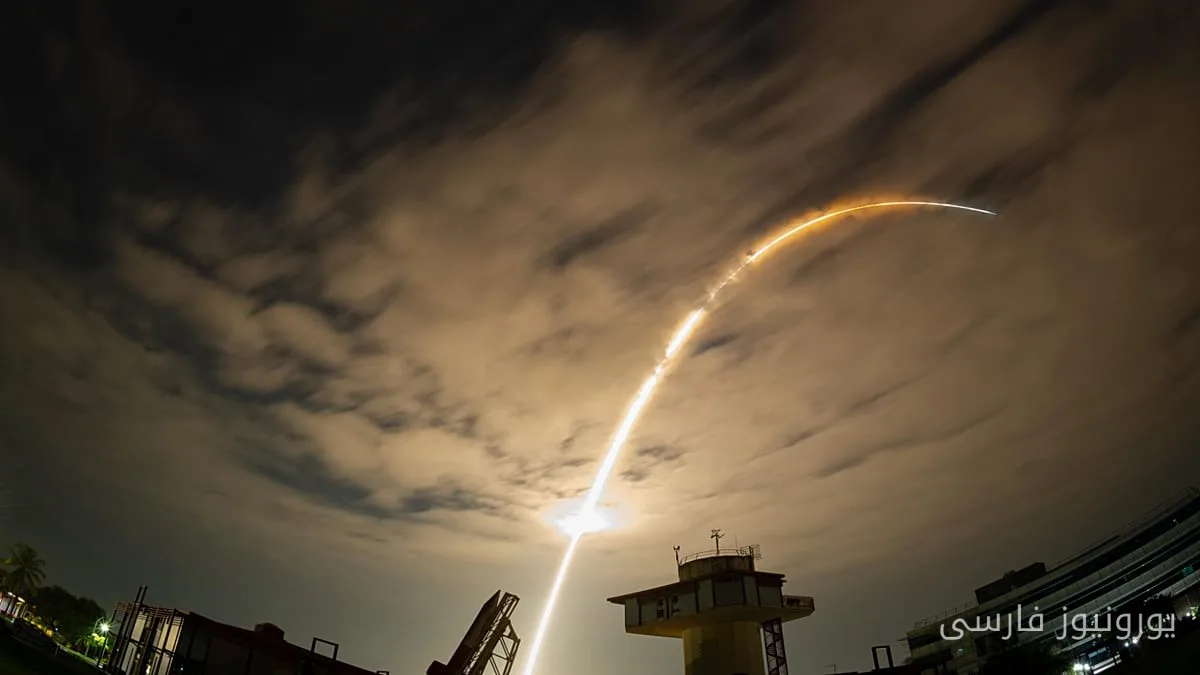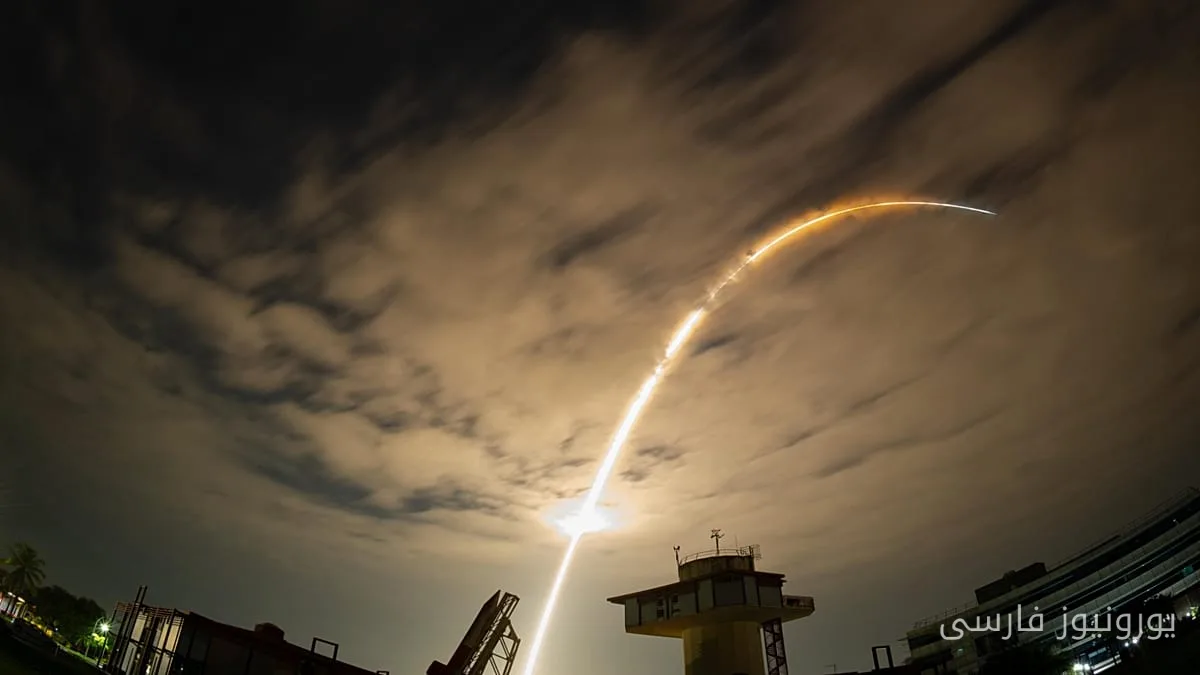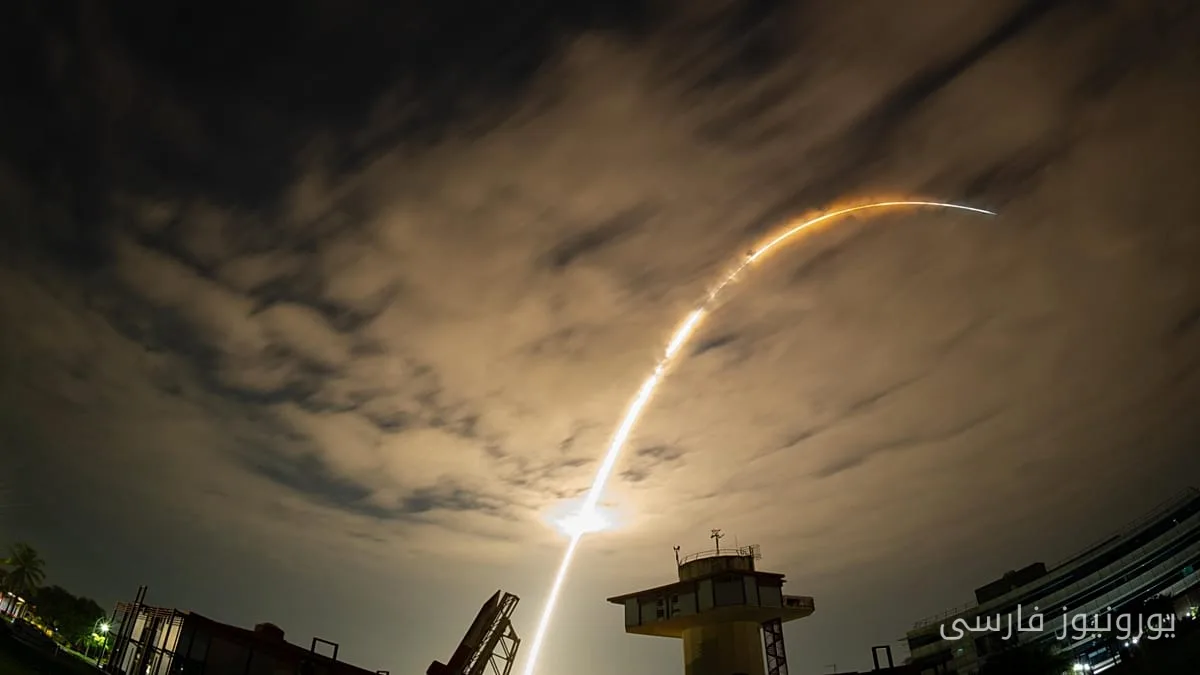
The FLEX satellite (Fluorescence Explorer) has recently been launched into Earth's orbit to investigate how plants respond to climate change. This project, recognized as a significant achievement in the fields of space science and environmental studies, could provide valuable information about the health of ecosystems and agriculture in Europe.
Objectives and Applications of FLEX
The main objective of FLEX is to study chlorophyll fluorescence in plants. This natural phenomenon helps researchers assess the health and stress levels of plants under various climatic conditions. Using data obtained from FLEX, scientists will be able to make more accurate predictions about the impact of climate change on agricultural production and biodiversity.
Read more: Miracle Supermarket: Salads Growing Right Above the Checkout
This information can assist farmers and policymakers in making better decisions regarding natural resource and agricultural management. Especially in Europe, which faces serious challenges in food security due to climate change, FLEX data can be a valuable tool to combat these threats.
Environmental and Social Implications
Given that climate change has profound effects on ecosystems and the daily lives of citizens, the FLEX project can help better understand these impacts. Particularly in European countries facing phenomena such as flooding, drought, and temperature changes, FLEX information could lead to quicker and more effective interventions.
Additionally, this project provides scientific communities across Europe the opportunity to collaboratively address environmental challenges and exchange knowledge and innovative technologies in this field. Overall, FLEX not only benefits farmers and the environment but can also help improve the quality of life for European citizens.
Read more: Unprecedented Increase in Coal Consumption Following the Iran War · Controversy Over Pigeon Droppings in Main Street