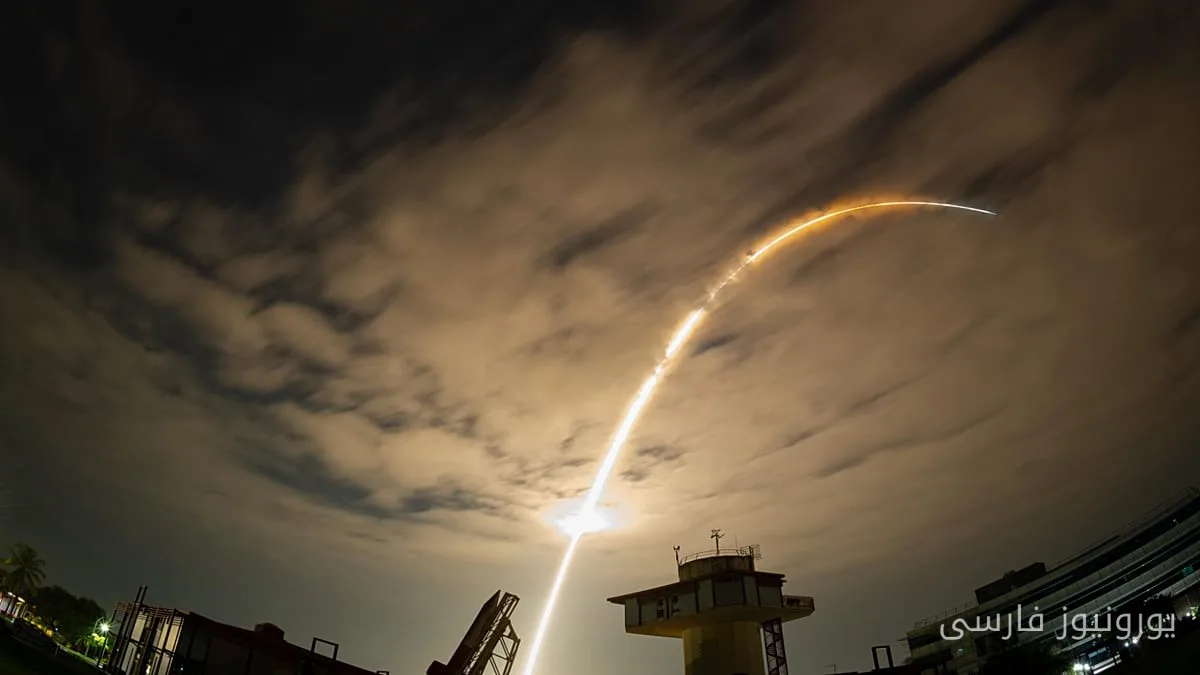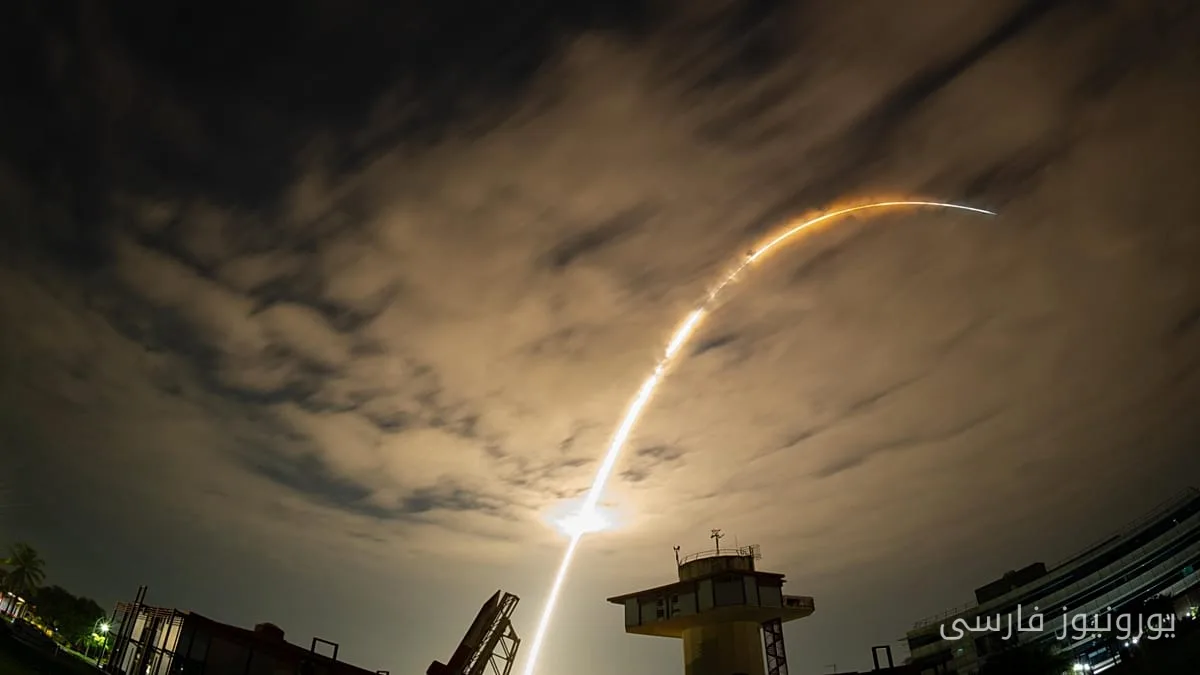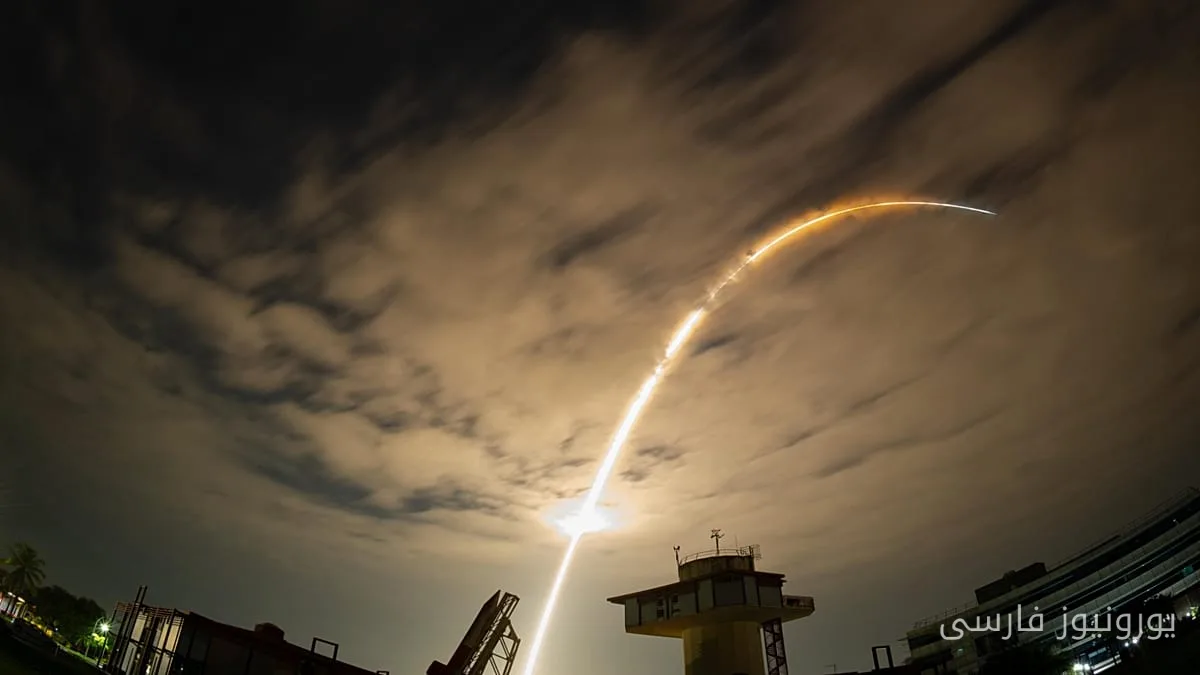
The FLEX satellite (Vegetation Monitoring Technology) has recently been launched into Earth's orbit, and its main goal is to examine plant responses to climate change from space. This project, through its ability to analyze the status of vegetation accurately, will assist scientists in better understanding the impacts of atmospheric and climatic changes on ecosystems.
Objectives and Importance of the FLEX Project
The FLEX satellite, as an advanced tool, is capable of collecting precise data about the status of plants and vegetation on a global scale. This information can help in better understanding how plants respond to climate change and play a significant role in decision-making related to natural resource management and environmental protection. Given the increasing challenges posed by climate change, this project is particularly important for European countries that are affected by climatic changes.
Read more: Autumn Season, Warm and Rainy: New Predictions from the UK Meteorological Office
Technological Advancements and Global Impacts
The FLEX satellite, using modern technologies, is capable of collecting accurate information from the Earth's surface and the status of plants. This information can serve as a valuable resource for researchers and decision-makers in various fields, including agriculture, ecology, and environmental protection. Additionally, the collected data can assist European countries in planning to tackle challenges related to climate change and help preserve their biodiversity and natural resources.
The FLEX satellite is recognized as an important initiative in space technology, contributing to global efforts to reduce the negative impacts of climate change and improve the quality of life in various communities. Given that many countries are currently facing serious challenges due to climate change, this project could serve as a model for other countries in using space technologies to monitor environmental conditions.
Read more: A Warning for Biodiversity in Snowdonia National Park · Rare Reproduction in the Wild: Sea Turtles and Baby Orangutans