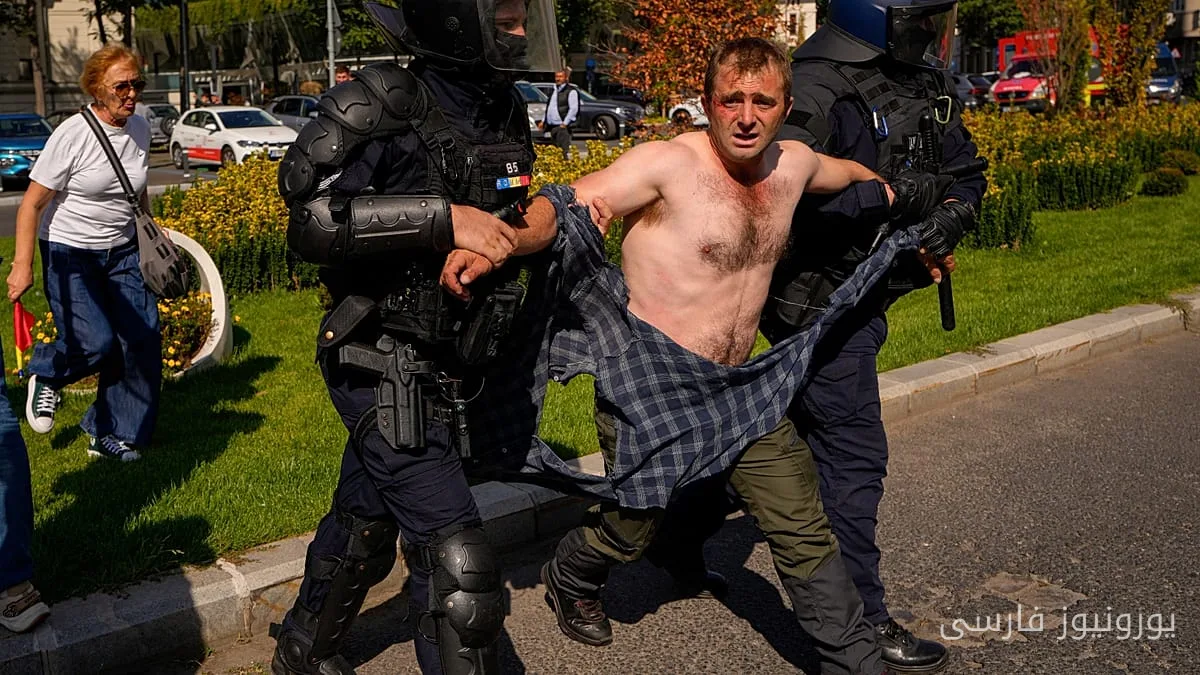
In recent days, Romanian farmers protested in Bucharest at Victory Square (Piața Victoriei) against the ban on live animal exports from their country. This demonstration quickly escalated into clashes with security forces, reflecting the deep dissatisfaction of farmers with the current state of the livestock and agricultural sectors in Romania.
Reasons for the protests and economic issues
The protesters believe that the extension of the ban on live animal exports, which will continue until December 31, 2026, has seriously harmed Romania's agricultural economy due to the outbreak of diseases such as peste des petits ruminants and sheep and goat plague. These farmers are also demanding compensation for livestock lost due to these diseases and have pointed to problems caused by drought in the agricultural sector.
Read more: Trump administration: Ukraine raises energy prices!
Clashes with police and their consequences
While the protests initially began peacefully, tensions escalated when some protesters attempted to block the roads around the square. Gendarmerie forces quickly responded to the situation and used tear gas in an attempt to disperse the protesters. In these clashes, at least three protesters required medical treatment, while no reports of injuries to law enforcement officers have been published.
The protesters also called for the resignation of Alexandru Bociu, the head of Romania's National Veterinary and Food Safety Authority (ANSVSA), due to his management of the epidemiological situation. These protests are not only related to economic issues but also reflect the deep dissatisfaction of farmers with government policies in managing crises.
Traffic around Victory Square, including the underpass and Kiseleff Street, was blocked for several hours, leading to problems for residents and passersby. However, after the protests ended, traffic returned to normal.
Read more: New tax criteria could save millions of lives · Donald Trump emphasized the repeal of the 15% tariff on Irish whiskey