Sweden's leftist parties have formed a new coalition by gaining a parliamentary majority in the recent general elections. This coalition, led by Magdalena Andersson, leader of the Social Democratic Party, includes the Left Party, the Green Party, and the Centre Party. While this coalition won against the right-wing parties, led by Ulf Kristersson, by a three-seat majority in Sweden's 349-seat parliament (Riksdag), the final result was extremely close, with only about 50,000 votes separating the two sides.
Challenges of Forming a Government
For Andersson, the hard work now begins. She is tasked with forming a government with her coalition partners, which is likely to involve difficult negotiations due to significant ideological differences within the coalition. The Centre Party has stated that it will not support a government that gives cabinet positions to the Left Party, while the Left Party is demanding ministerial representation. Andersson has also indicated that voters have chosen “a new direction” for Sweden.
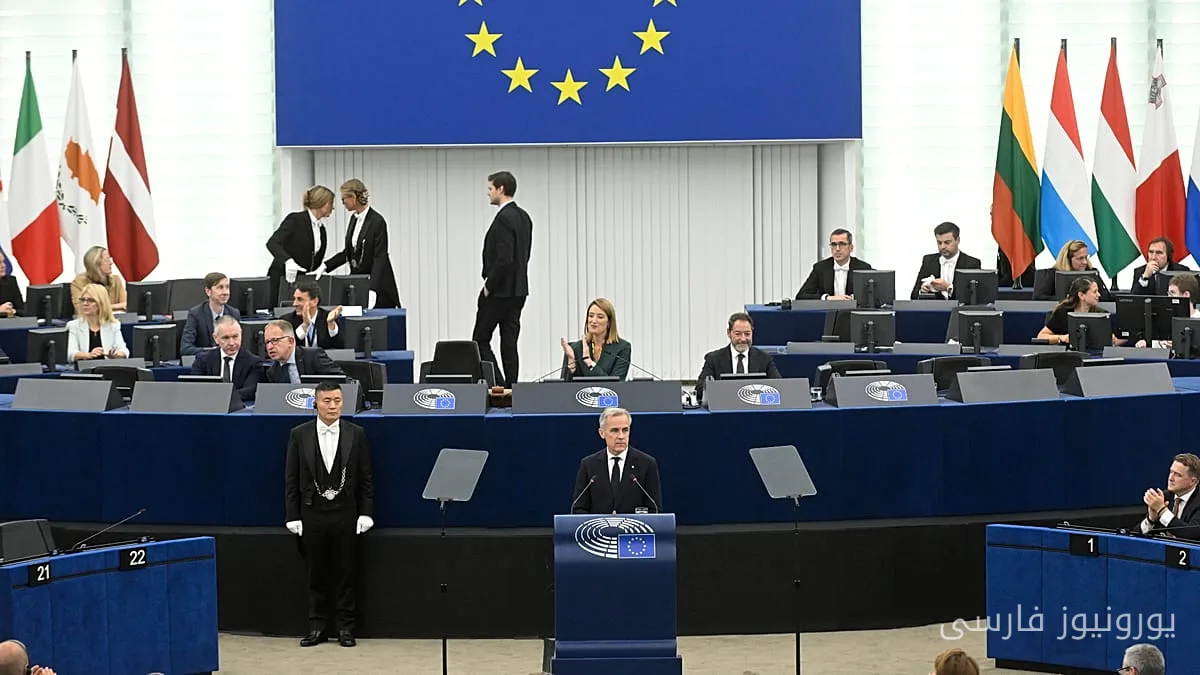
Read more: Mark Carney welcomed the proposal for associate membership in the European Union
International Reactions and the Status of Parties
Ulf Kristersson, the former Prime Minister, has now resigned, but if Andersson fails to form an effective cabinet, he may attempt to provide an alternative option. Kristersson has expressed respect for Andersson's efforts to form a government and wished her luck in navigating the divisions within her coalition. Forming a government in Sweden, especially in coalition governments, usually takes several weeks. In 2022, this process took more than five weeks, and after the 2018 elections, it took nearly 20 weeks.
Despite the victory of the leftist coalition, the Social Democratic Party has faced its worst result in over a century, losing eight seats and securing only 28% of the total votes. This party, which has governed Sweden for most of the 20th century, is still considered the largest party in the country. Additionally, the far-right parties, namely the Sweden Democrats, have received less support for the first time since their entry into parliament in 2010, with their share of votes decreasing to 17.5% and losing 11 seats in parliament.
On the international level, Pedro Sánchez, the Prime Minister of Spain, has welcomed this result as a victory for social democracy and the welfare state.
Read more: Zelensky: Ukraine is ready for an energy ceasefire, but Russia has not yet agreed · The Left Party of Sweden leads with 176 seats in the preliminary election results