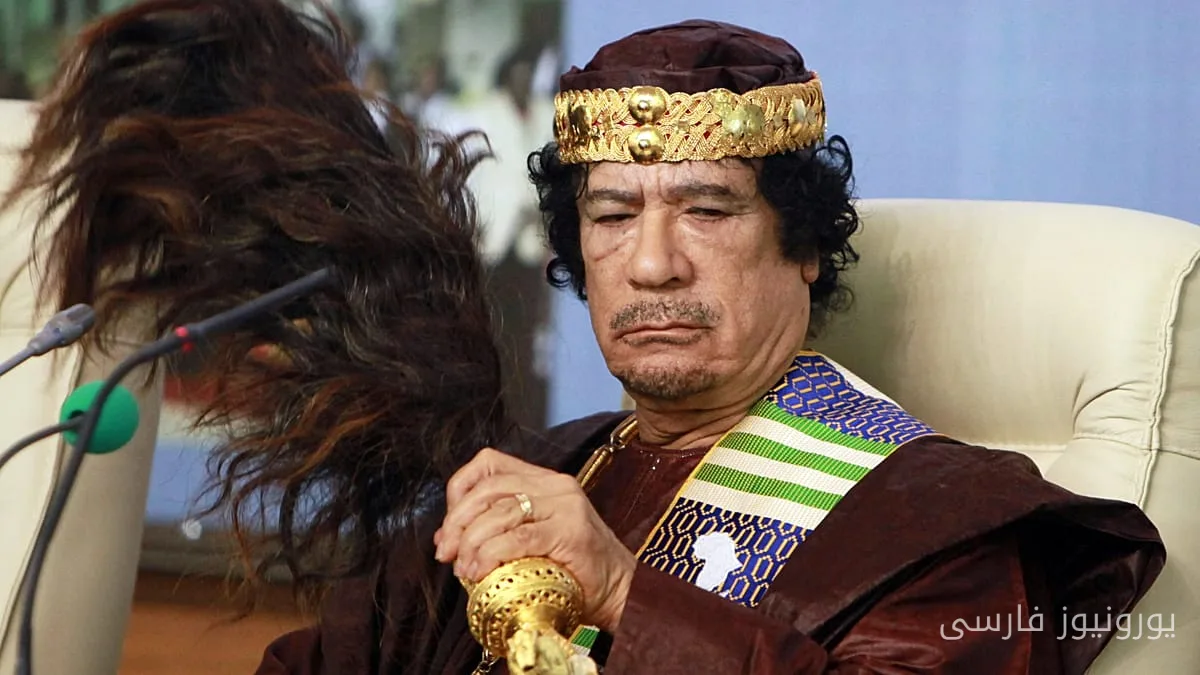
Libyan security officials in Tripoli seized around 100,000 ecstasy pills designed to resemble Muammar Gaddafi, the former leader of Libya, on Saturday. These pills were discovered by a group called "Rada," which is responsible for combating terrorism and organized crime, and information about a criminal network that was importing these pills into Libya through a European country was obtained.
Details of the Shipment Seizure
The shipment's entry point into Tripoli was via the sea and an unspecified port, hidden inside a Renault van. Libyan officials announced that the suspects have been arrested and referred to the public prosecutor's office. The seized pills were identified as ecstasy, which is typically associated with MDMA and recognized as a popular stimulant in nightlife settings.
Read more: Yemen Army Missile Attack on Saudi Arabia and Its Consequences for the Region
Captagon Discovery in Benghazi
In a separate operation in Benghazi, which is under the control of forces linked to Marshal Khalifa Haftar, officials announced that they seized several pills identified as Captagon. These pills are likely produced in Syria. Captagon is an amphetamine-type stimulant that has widely spread in Middle Eastern markets during the Syrian civil war and has become a significant source of income for Bashar al-Assad's regime.
Analyses indicate that Captagon trade in Syria peaked at generating up to $10 billion (approximately €8.6 billion) annually. Networks linked to the Assad family have reportedly earned around $2.4 billion (€2 billion) from this trade each year.
Political and Economic Implications
Various organizations, including the United States and the United Kingdom, have sanctioned Bashar al-Assad's brother, Maher, and a network of his associates for their roles in overseeing the production and export of these drugs. Due to political fragmentation and weak border controls, Libya has become a significant transit point for synthetic drugs.
Investigations show that while some production and trade of Captagon in Syria continues after the fall of Bashar al-Assad's regime, new networks are forming that are linked to Assad's allies in Lebanon and Hezbollah. This situation could pose new risks to security and public health in Europe and neighboring regions.
Read more: Helicopter Crash in Los Angeles Claims Three Lives · Meeting of Fuad Hussein and the German Deputy Foreign Minister in Berlin