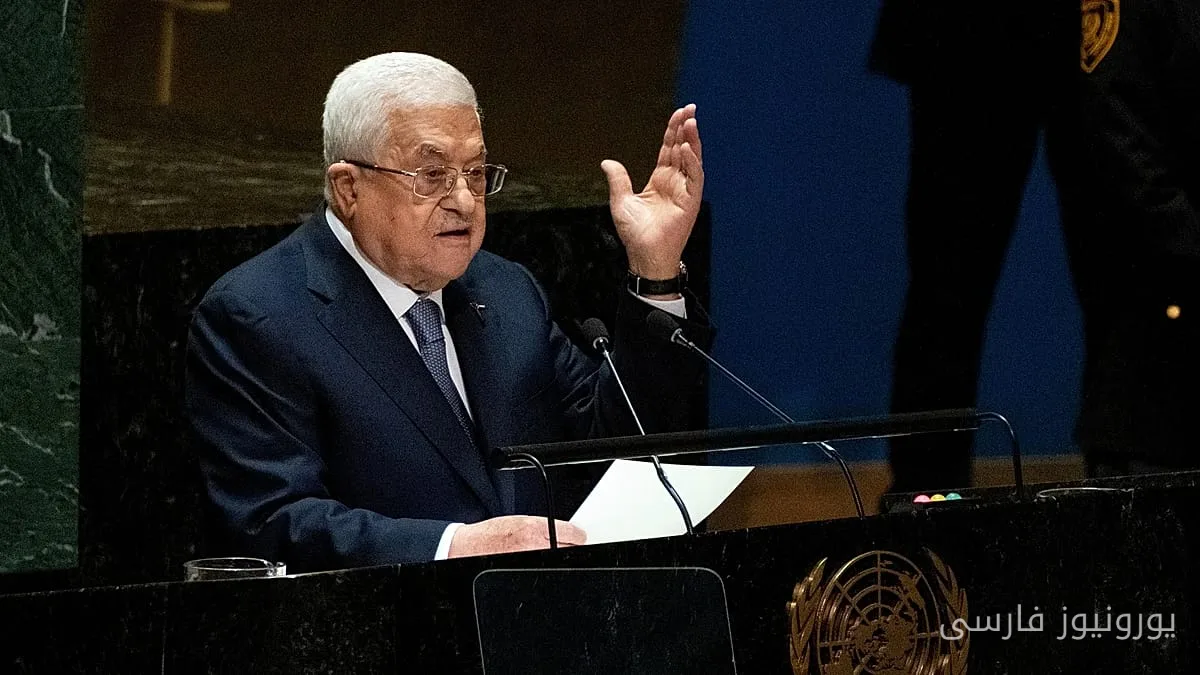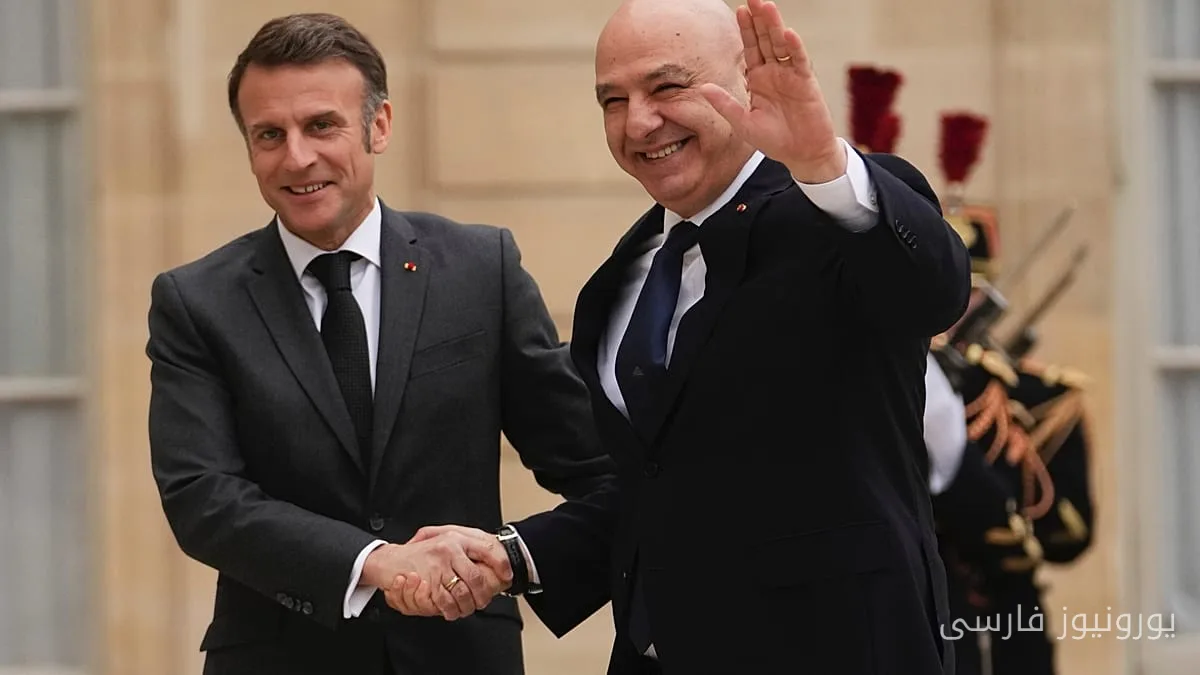
Hashim Thaci, the former president of Kosovo, was sentenced to 25 years in prison for war crimes, and this ruling provoked strong reactions among the citizens of Kosovo on Wednesday. The Special Court of Kosovo in The Hague found Thaci and three other former leaders of the Kosovo Liberation Army (KLA) guilty of illegal detentions, torture, murder, and inhumane treatment during the 1998-1999 war against Serbia.
Young Kosovars in the Streets
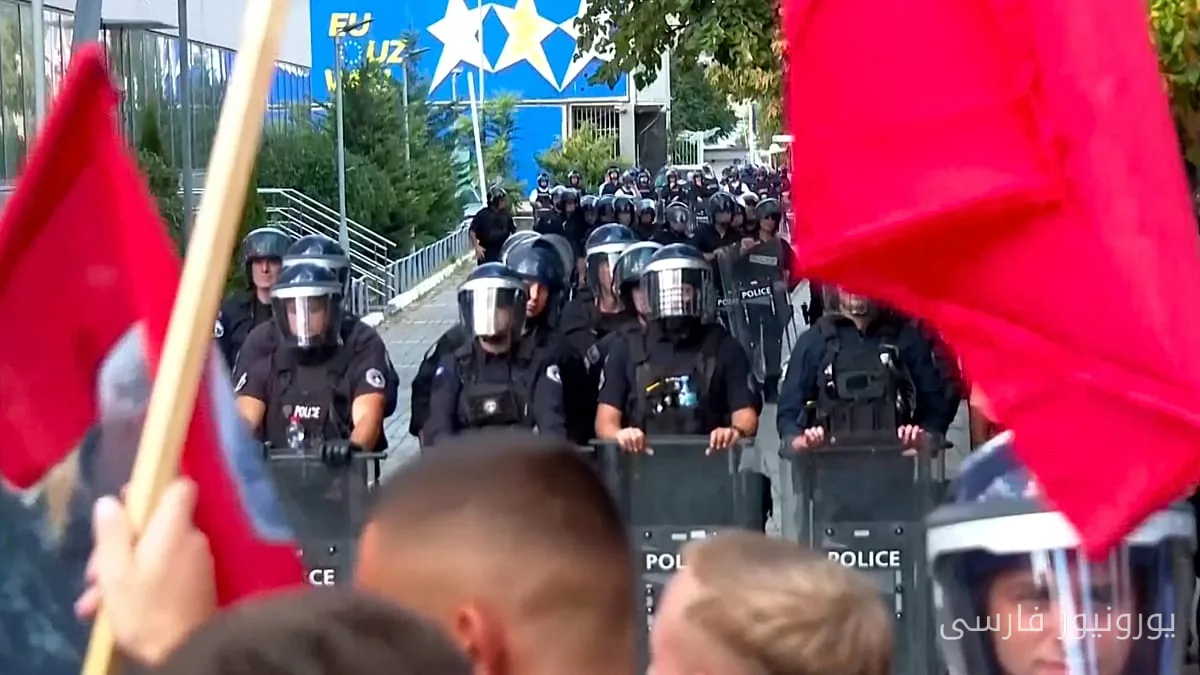
Following the issuance of this ruling, a group of young people marched towards the EULEX headquarters in Pristina, the capital of Kosovo, carrying KLA flags. Some protesters clashed with riot police and threw stones at the building. A small group also remained in front of EULEX until Wednesday night, continuing to block traffic.
Read more: Daily Report: Major Developments in Europe and the World on September 17, 2026
Dissatisfaction and Criticism
In the meantime, Prime Minister Albin Kurti described the ruling as a "great and harmful punishment" and called for a review of the ruling. He wrote in a Facebook post: "These findings are unjust, but they are not final and will be subject to appeal." Thaci and three other defendants in this case, including Jakup Krasniqi, Rexhep Selimi, and Kadri Veseli, were collectively accused of a common criminal purpose. All four were acquitted of crimes against humanity and can appeal this ruling.
Thaci, who has been detained since 2020 on war crime charges, has played a significant role in Kosovo's politics after the war and was a key figure in declaring the country's independence in 2008. His photos have been displayed on large billboards across the country, and his supporters have held rallies calling for his acquittal.
International Concerns and Political Implications
This trial in a country with a population of 1.6 million like Kosovo, which still grapples with the aftermath of the war, has been one of the most controversial issues. The court, established under Kosovo laws, has faced significant criticism for using evidence supplied by Belgrade.
Meanwhile, Aleksandar Vucic, the President of Serbia, also reacted to this ruling, criticizing the neglect of crimes against Serbian civilians. He believes that this ruling favors one side involved in the war and fuels political discrimination.
Ultimately, this ruling and its implications could exacerbate tensions in the Balkan region, particularly in relations between Kosovo and Serbia. This situation will pose challenges for the European Union and countries supporting peace and stability in the region.
Read more: Disaster in Gold Mine in Sudan: Over 60 Miners Killed · Flamingo Revolution: A Wake-Up Call for Albanian Elites!