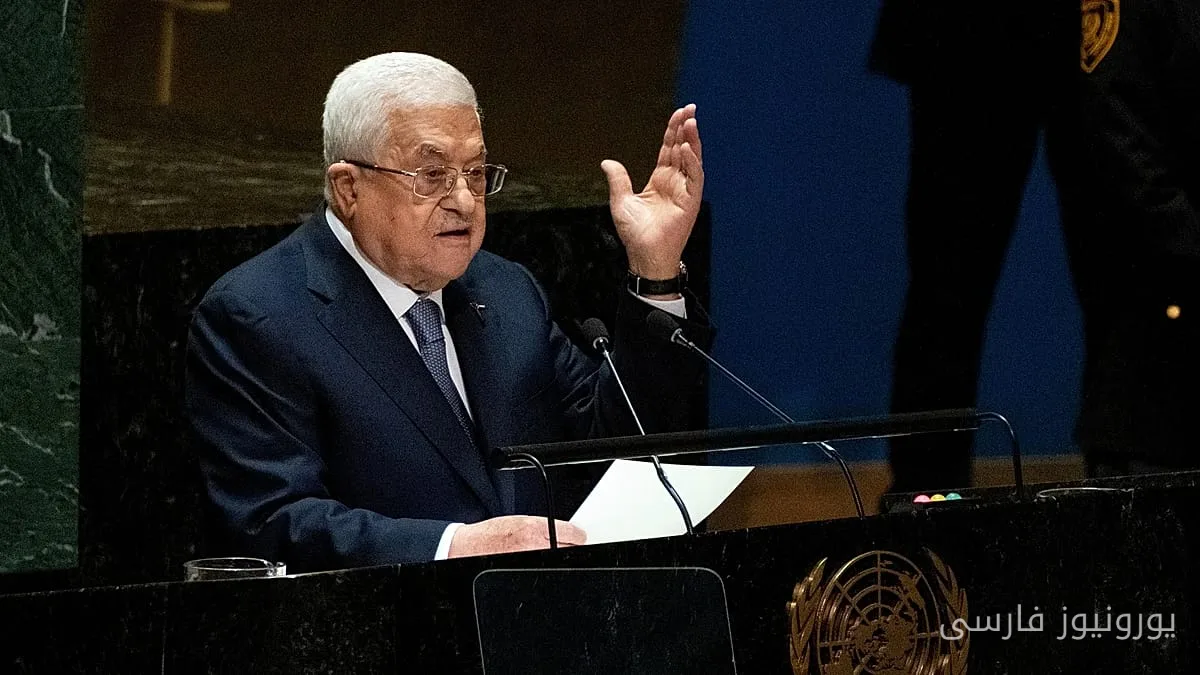
Mahmoud Abbas, President of the Palestinian Authority, has once again been denied a visa to attend the annual UN General Assembly. This decision by the United States, as a key player in Middle Eastern policies, has elicited various reactions internationally.
Political and Social Dimensions of Visa Denial
The U.S. decision not to issue a visa for Mahmoud Abbas not only affects Palestinian-American relations but also raises concerns among European countries. Some European nations, particularly those striving for peace in the Middle East, view this action as an obstacle to peace talks and de-escalation of tensions.
Read more: Ismail Baqai's Reaction to the German Chancellor's Statements
In recent years, Abbas has sought to garner global community support for the Palestinian issue through meetings and international summits. His absence from the UN General Assembly effectively robs him of the opportunity to use the international platform to express Palestinian concerns.
Economic and Social Consequences for Palestinians
This U.S. action may have serious repercussions for Palestinians. Some analysts believe that the denial of a visa for Abbas could lead to a decrease in international support for Palestinians, particularly in economic and social areas. This situation could exacerbate the humanitarian crisis in Palestinian-controlled areas.
On the other hand, European countries must consider that Abbas's absence from the General Assembly could lead to increased tensions and instability in the region. In recent years, many European nations have sought to play a larger role in resolving the Middle East crisis, and this U.S. action may undermine those efforts.
Ultimately, this U.S. decision will affect not only Palestinian-American relations but also the image of the United States in the global community, especially among European countries. This situation could lead to greater challenges in diplomatic relations and highlight the need for a reassessment of U.S. policies towards Palestine.
Read more: The U.S. Decides to Send 40,000 Bombs to Israel in a $2.8 Billion Deal · NATO on the Brink of Collapse: Russia's Hybrid Attacks and Europe's Inaction