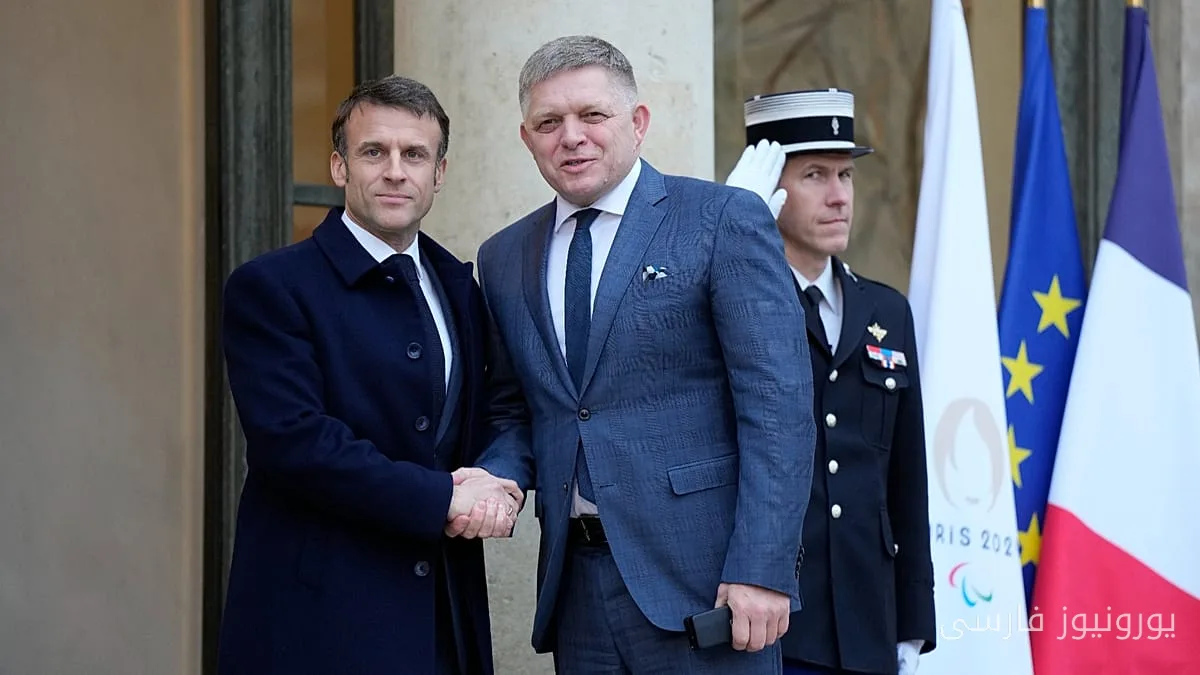
The joint veto by France and Slovakia against the extension of economic sanctions on Russia has led to a deeper deadlock for the European Union. This situation has arisen as member countries of the union strive to create a common policy regarding sanctions and their foreign policies.
Political and Economic Consequences
Sanctions against Russia have been continuously extended since 2014 in response to the country's military actions in Ukraine and other regions. However, the veto by France and Slovakia reflects a deep disagreement among member countries on how to deal with Moscow. Many countries, including Germany and Italy, believe that continuing sanctions is essential to maintain pressure on Russia.
Read more: Controversial victory of the far-right party in Germany
In contrast, France and Slovakia have opposed these sanctions due to their economic reasons and domestic concerns. This could lead to a reduction in economic cooperation among European countries and create further rifts in the union's policies.
Future Challenges for the European Union
Given this veto, the European Union will face serious challenges regarding unity and decision-making. Some analysts believe that this action could increase tensions among member countries, especially those affected by the sanctions. At the same time, this situation could help strengthen Russia's position on the international stage.
It is worth noting that following this veto, some countries have begun exploring alternative options to exert pressure on Russia. These options may include new sanctions, increased military aid to Ukraine, or strengthening relations with non-European countries.
In the meantime, European citizens will also be affected by these developments. Rising prices, economic concerns, and uncertainty in foreign policies could lead to public distrust towards the European Union. This situation may impact upcoming elections and the domestic policies of various countries.
Ultimately, the veto by France and Slovakia will not only affect the future of sanctions but also the future of relations among European countries. This issue requires careful examination and collaboration among member countries to reach a sustainable agreement.
Read more: France proposes a new ban on social media for under 15s