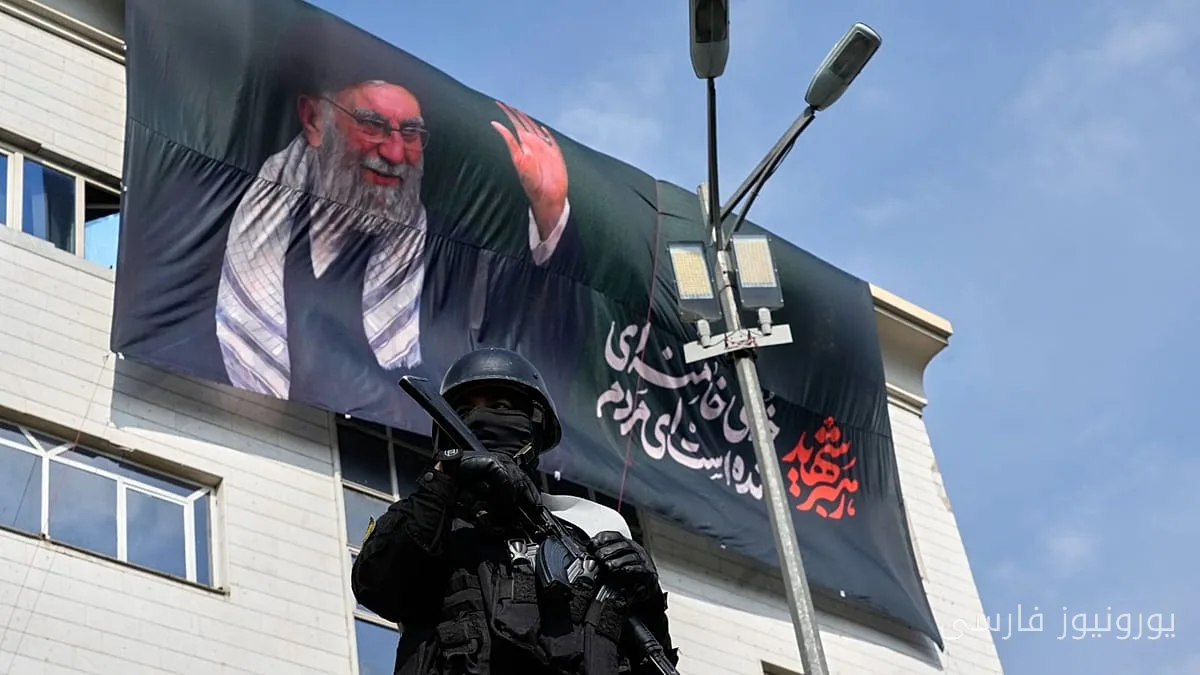
In a controversial move, Iran has seized the assets of 240 political activists and journalists due to allegations of supporting 'enemy states.' This action is part of a broader series of measures against protesters and critics following recent protests. Meanwhile, the number of arrests in these protests has exceeded 6,000.
Details of Asset Seizures
According to reports, Iran's judiciary has blocked 182 bank accounts and has also confiscated properties and assets related to individuals recognized as social activists and journalists. These actions are seen as part of the government's intensified efforts to suppress dissenting voices. The individuals' charges generally involve support for governments that Iran considers 'enemies.'
Human and Political Consequences
Since the onset of protests in Iran, the government has severely cracked down on demonstrators. Reports indicate that at least 532 individuals have been executed since the beginning of this year, with 29 of them linked to the protests. These actions have not only heightened global human rights concerns but have also impacted Iran's relations with other countries, especially in Europe.
European countries have reacted strongly to these actions by Iran, urging governments in the region to respect human rights and end the crackdowns. While some countries are seeking new sanctions against Iran, others are pursuing diplomacy to resolve the crisis.
This situation is particularly concerning for Iranian citizens living in Europe. They are significantly affected by developments in their home country and, in many cases, have remained silent out of fear of returning to Iran and facing negative consequences.
Read more: Controversial Arrest of Daniel V; Accused of Sabotaging Power in Germany · Capgemini, the Company that Helped ICE, Sold its American Unit