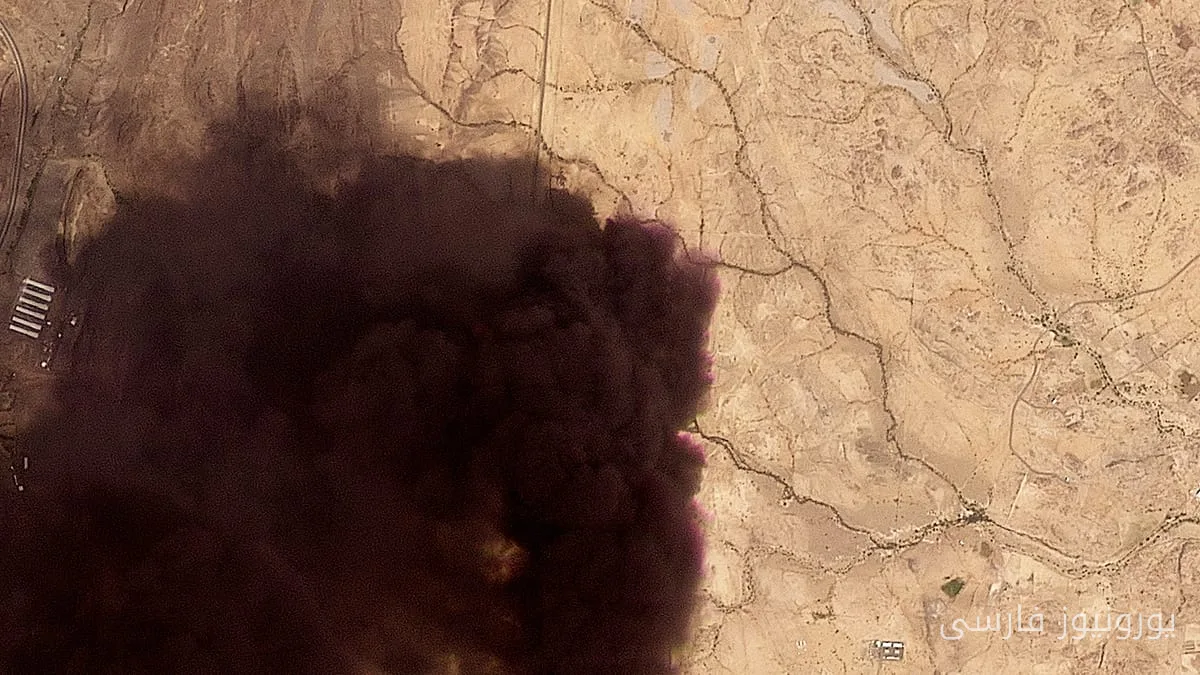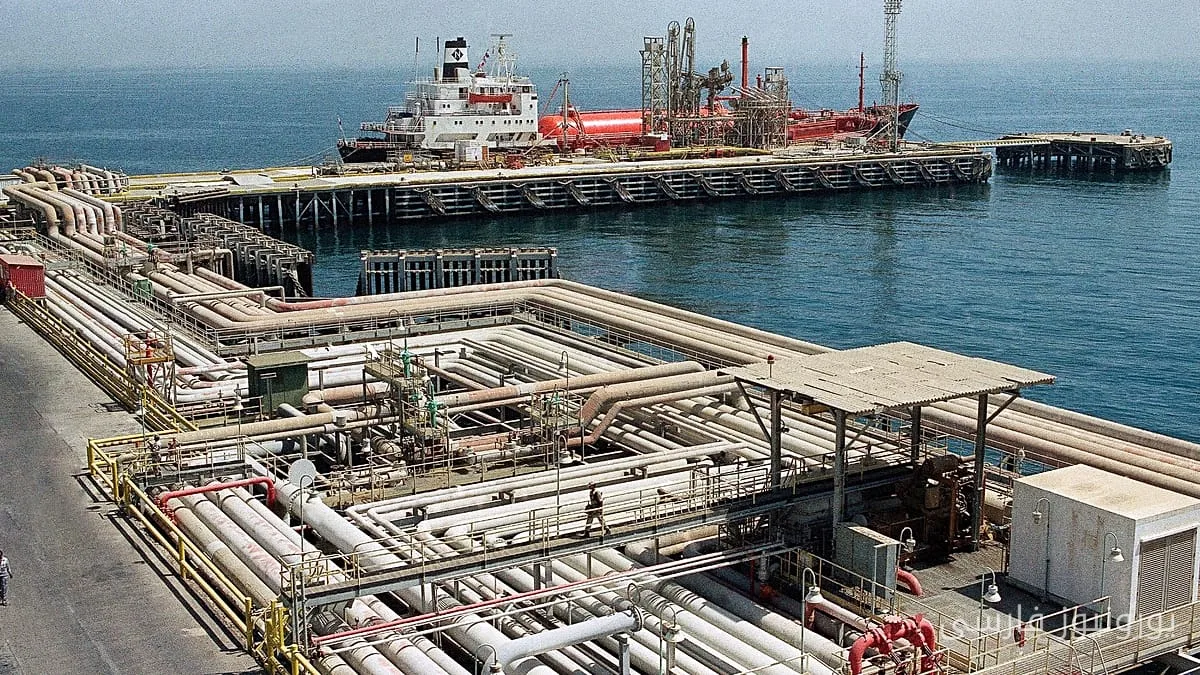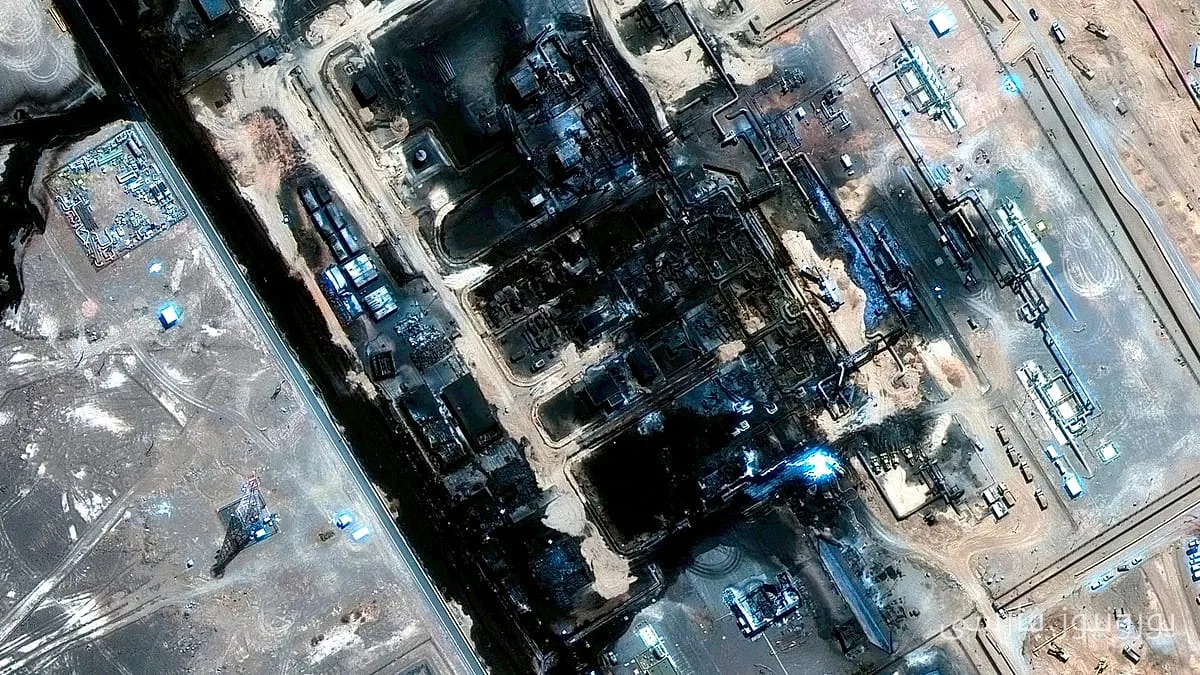
The oil pipeline cut in Saudi Arabia will significantly impact the country's oil exports to Europe and Asia. This disruption occurs at a time when Gulf oil exports have generally declined and transportation routes are facing more threats. Saudi Arabia has become reliant on its stored reserves, and the lack of an announced date for the resumption of pipeline activity will affect delivery status to Europe and Asia.
Significant Decline in Gulf Oil Exports
Gulf oil exports have seen a sharp decline in recent months. This decline is due to various factors including sanctions, political tensions, and global economic crises. Given this situation, European and Asian countries that depend on Saudi oil will be severely affected.
Read more: Oil prices rise to the highest level in six weeks after Iran-U.S. clashes
Possible Consequences for the Oil Market
The inactivity of the Saudi oil pipeline could lead to price volatility in the global oil market. European countries that rely on imported energy may face rising energy costs. This situation could negatively impact the economies of European countries and lead to increased prices of goods and services.
Additionally, the reduction in oil supply from Saudi Arabia could lead to fiercer competition in global markets. Other oil-producing countries may try to meet Europe's and Asia's needs by increasing their production, but this will take time and may also face challenges.
Overall, the oil pipeline cut in Saudi Arabia represents serious challenges that could harm the trade and economic relationship between Saudi Arabia and European and Asian countries. As many countries seek to secure sustainable and reliable energy, this event could be seen as a warning sign for the global oil market.
Read more: Oil prices rise above $100 following the U.S. war in Iran · Surprise in the new list: Seven European cities in the top walking rankings