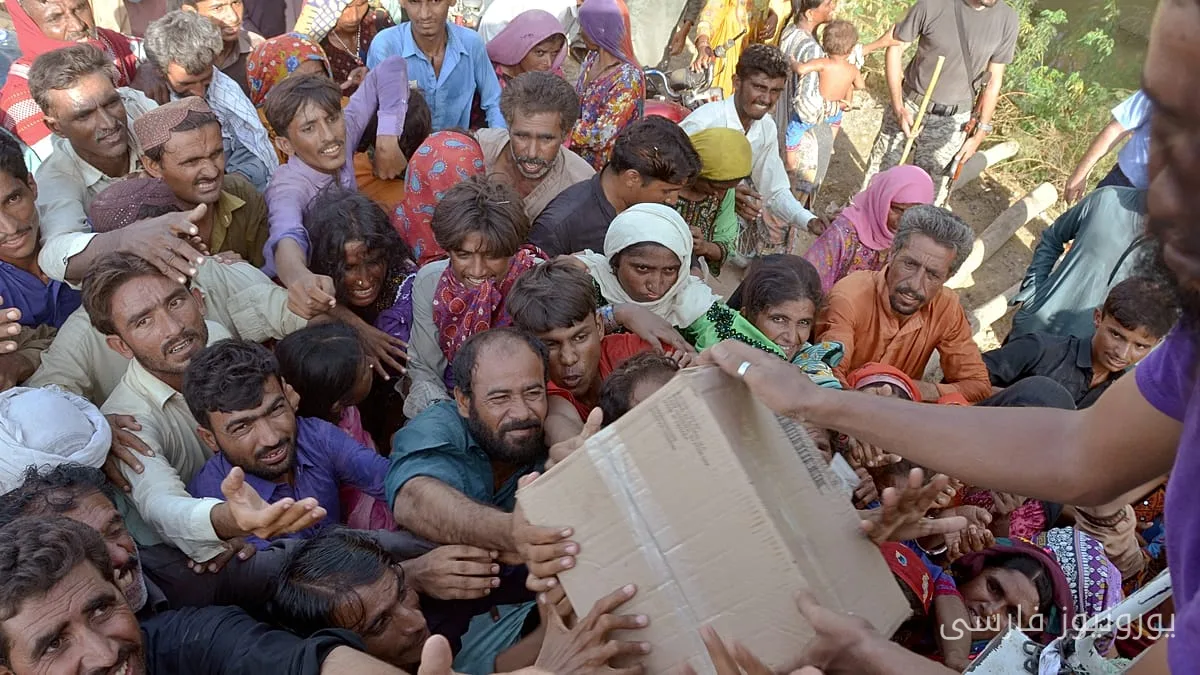
New tax models can strengthen humanitarian and developmental aid for low- and middle-income countries. According to a recent study, taxing the wealthy is one of the best strategies to compensate for the decline in international aid.
Unprecedented Decline in International Aid
The decline in official development assistance (ODA), which is specifically dedicated to the economic development and welfare of low- and middle-income countries, has been unprecedented in recent years. Various countries are expected to further reduce this aid in 2025 and 2026. This decline could have serious consequences, with estimates suggesting that if the current trend continues, about 7.6 million people could lose their lives by 2030.
Taxing the Wealthy and Its Impacts
In a world with over 3,000 billionaires holding wealth equivalent to €17.4 trillion, imposing a 3% tax on their wealth could reduce deaths by up to 29.5 million by 2030. Even a 1% tax could prevent 15.1 million deaths. Other measures such as a financial transaction tax and a global minimum tax on multinational corporations also have significant impacts.
Research shows that implementing fair tax policies can help mitigate the negative effects of declining ODA. Tax policies can not only help save millions of lives but also contribute to reducing economic and social inequalities globally.
While some countries like Spain and France are considering or implementing wealth taxes, these policies have increasingly gained international attention. At the World Economic Forum in Davos, hundreds of millionaires and billionaires have urged governments to increase taxes on the ultra-wealthy.
Given the increasing inequalities and concentration of wealth in the hands of a few, recent studies indicate that implementing tax policies could help save millions of lives in the coming years.
Read more: Mark Carney Seeks a Shift Toward the Old Continent; Canada on the Verge of Associate Membership · Revolution in Alzheimer’s Patient Care: Living in Care Homes