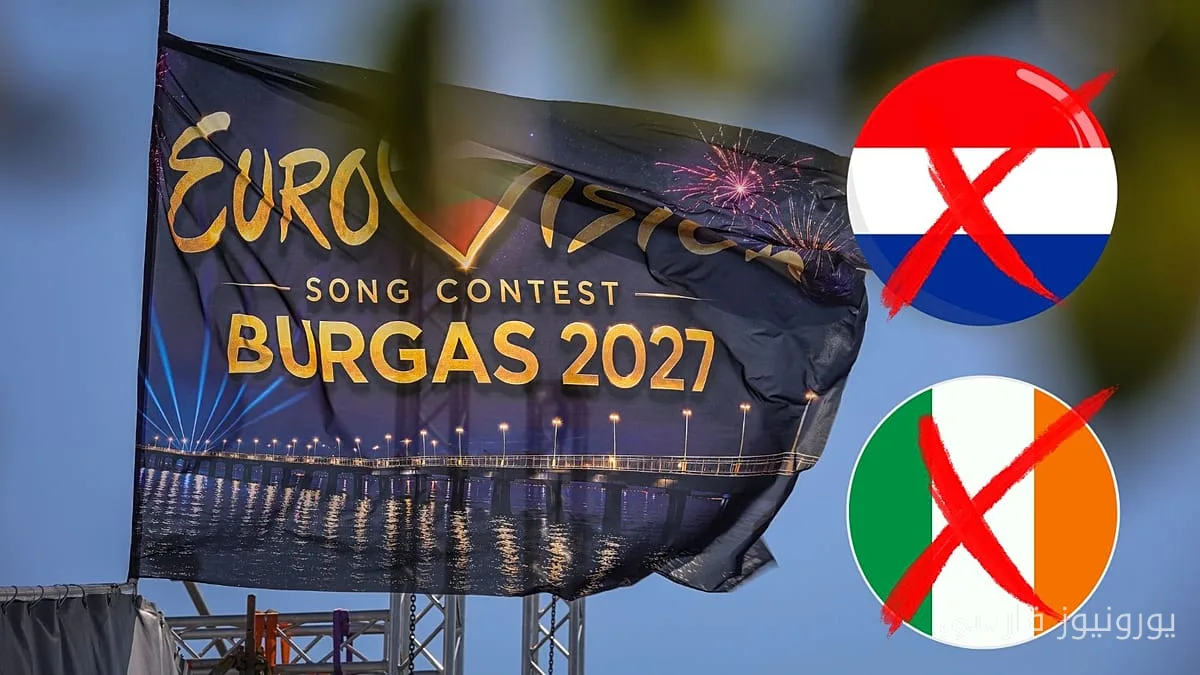
Ireland has recently announced that it will withdraw from the Eurovision competition for the second consecutive year. This decision was made after the Netherlands took a similar step, reflecting a deeper concern within the European community.
Reasons for Ireland's Withdrawal
Irish officials have stated that the main reasons for this withdrawal include social and political concerns. Some analysts believe that this action is a sign of public dissatisfaction with the management of cultural and artistic events across Europe. Additionally, there have been criticisms regarding the lack of attention to social issues and cultural diversity in major events like Eurovision.
Read more: Spain Presents a Plan for Sustainable Tourism 2030 Focused on Residents
Consequences of Withdrawal
This withdrawal could have significant consequences for Eurovision as well as for countries that value this event. Given that Eurovision is one of the largest and most popular music competitions in Europe, Ireland's withdrawal may lead to changes in the composition and diversity of competitors. Furthermore, this action may inspire other countries to withdraw from the event if they have similar concerns.
On the other hand, this decision could increase pressure on Eurovision organizers to pay more attention to social and cultural issues in the selection and management of events. Considering that Eurovision is recognized as a platform for expressing cultural and artistic diversity, this withdrawal could pose serious challenges for the event.
As Eurovision is recognized as an international event, this withdrawal will not only affect Ireland but also impact the overall image of Europe. Critical attitudes towards events and cultural policies could become a hot topic in public discussions and may contribute to raising social awareness across the continent.
Read more: Napoli on the Road Pizza from London Named the Best Pizza in the World · Isabel Kwiest Leaves a Legacy from the Analog World to Future Generations