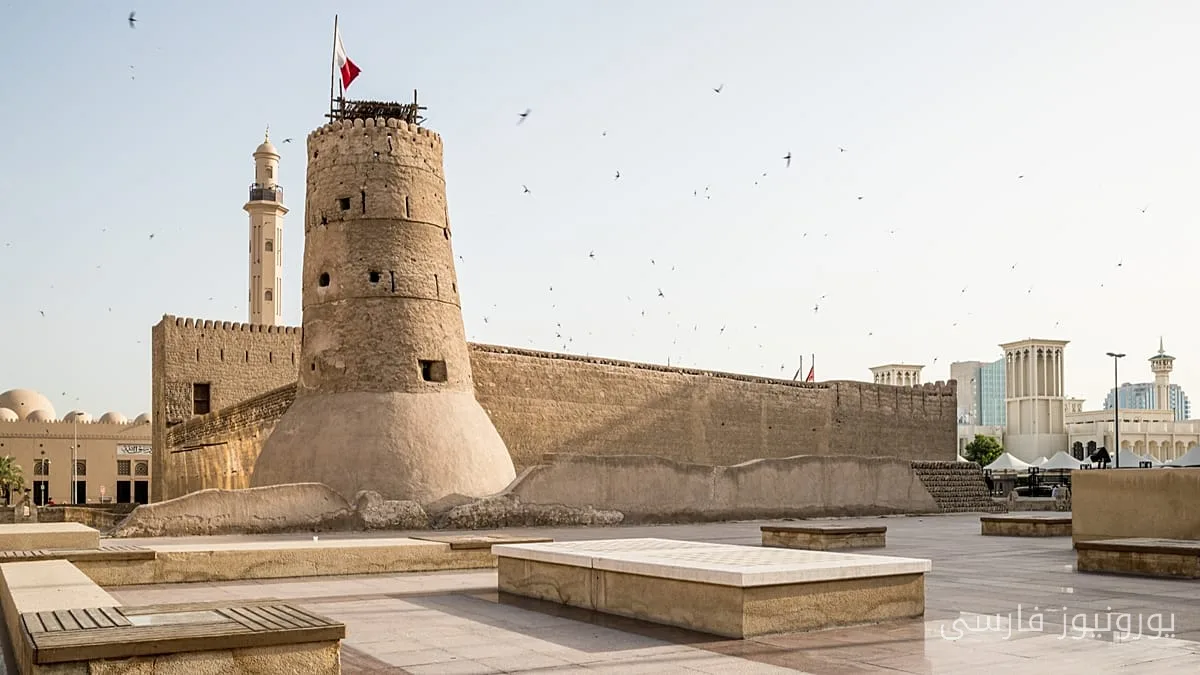
Al Fahidi Fort, the oldest building in Dubai with over 230 years of history, is on the verge of reopening. This historic structure, built in 1787 as a defensive fortification, has served over the years as the residence of the ruler, a government center, and even a prison. In 1971, this fort became Dubai's first museum, the same year the United Arab Emirates was established.
Reopening After Renovation
Al Fahidi Fort has been closed since 2021 due to a major renovation project. Now, according to Aisha Khan Sahib, the director of Al Fahidi Fort and specialized museums at the Dubai Culture and Arts Authority, the fort is set to reopen to visitors in the coming weeks or months. Khan Sahib believes that this contemporary museum experience will serve as a gateway to the story of Dubai and a good starting point for understanding the city's history.
Read more: OECD Report on the Decline of Math and Reading Skills in 15-Year-Olds
Dubai's Cultural Heritage
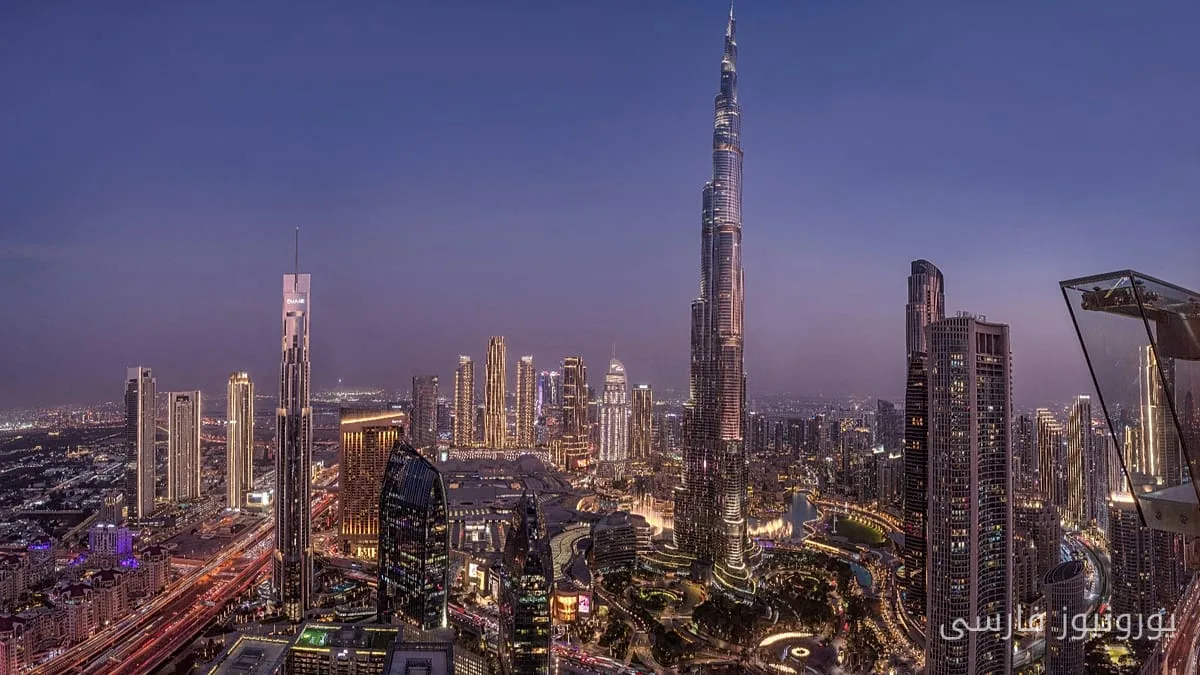
While Dubai is known for its futuristic skyscrapers and modern infrastructure, the cultural heritage of the city is sometimes overlooked as a key attraction for international visitors. The reopening of Al Fahidi Fort marks a new chapter in the story of this city. Khan Sahib emphasizes that cultural heritage serves as an ecosystem for cultural tourism as well as for residents and schools. She states, "We need to have diverse offerings for everyone, and this is something that stands out in Dubai and the wider region."
The renovated museum has addressed the combination of the fort's historical architecture with artworks, archival materials, and interactive technology to narrate the story of this historic structure and its place in the development of Dubai. Visitors will begin their experience with a new underground attachment that features contemporary galleries exploring themes such as defense, leadership, and craftsmanship.
Among the notable features, the "Treasury" is a light and sound experience that addresses the evolution of Dubai's defensive capabilities. Another gallery, titled "The Fort Through History," examines the fort's changing role over more than 230 years. A collection of Islamic weapons and armor will also be on display. Interactive learning experiences for children have also been added to the museum.
However, one of the most important exhibitions is the fort itself, where visitors can walk through its historic walls and explore its towers, gates, and courtyards. Khan Sahib says, "You experience history through architecture."
Read more: France Selects 'Minotaur' as Its Representative for the 2027 Oscars · Discovery of Ancient Cave Art: How Early Humans Came to Ireland?