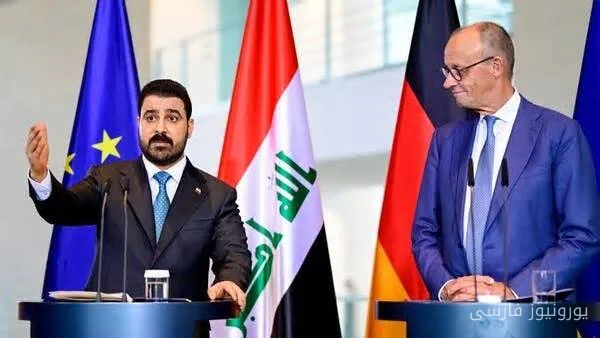
Friedrich Merz, the Chancellor of Germany, in a press conference on September 15, called on Iran to end its threats in the Strait of Hormuz and to halt its nuclear program. These statements were made amid rising tensions in the Persian Gulf and the Red Sea due to the activities of Houthi militants and Iran's influence in the region.
Security Implications for Europe
Friedrich Merz emphasized that any disruption in the Strait of Hormuz could have serious implications for Europe's energy security. The Strait of Hormuz is one of the most important routes for oil and gas in the world, and any threat to it could increase energy prices in Europe. This issue has become even more significant as Europe faces an energy crisis due to the war in Ukraine.
Nuclear and Regional Concerns
Merz also stressed the importance of halting Iran's nuclear program, deeming it a threat to regional stability and global security. He added, "As the global community, we must work together to prevent Iran from acquiring nuclear weapons." These remarks come at a time when nuclear negotiations with Iran have reached a deadlock and concerns about the country's nuclear program have intensified.
Additionally, the Chancellor of Germany warned the Houthi militants in Yemen, stating that this group, with Iran's support, has become a threat to regional and international security, particularly regarding attacks on the Strait of Hormuz and other strategic locations. Merz stated, "We cannot allow these threats to continue, and we must stand firmly against them."
These statements by Friedrich Merz are particularly significant for European citizens who are affected by various crises in the Middle East. They must pay attention to the fact that the political and security situation in these areas can directly impact their daily lives and energy costs.
Ultimately, the Chancellor of Germany emphasized the necessity of international cooperation to resolve regional crises and prevent escalating tensions, expressing hope that the global community can reach a sustainable agreement regarding Iran's nuclear program.
Read more: The U.S. Supreme Court Rejected Trump's Request for Restrictions on Mail-in Voting · Germany Canceled a Phone Call with the Chancellor Due to Trump