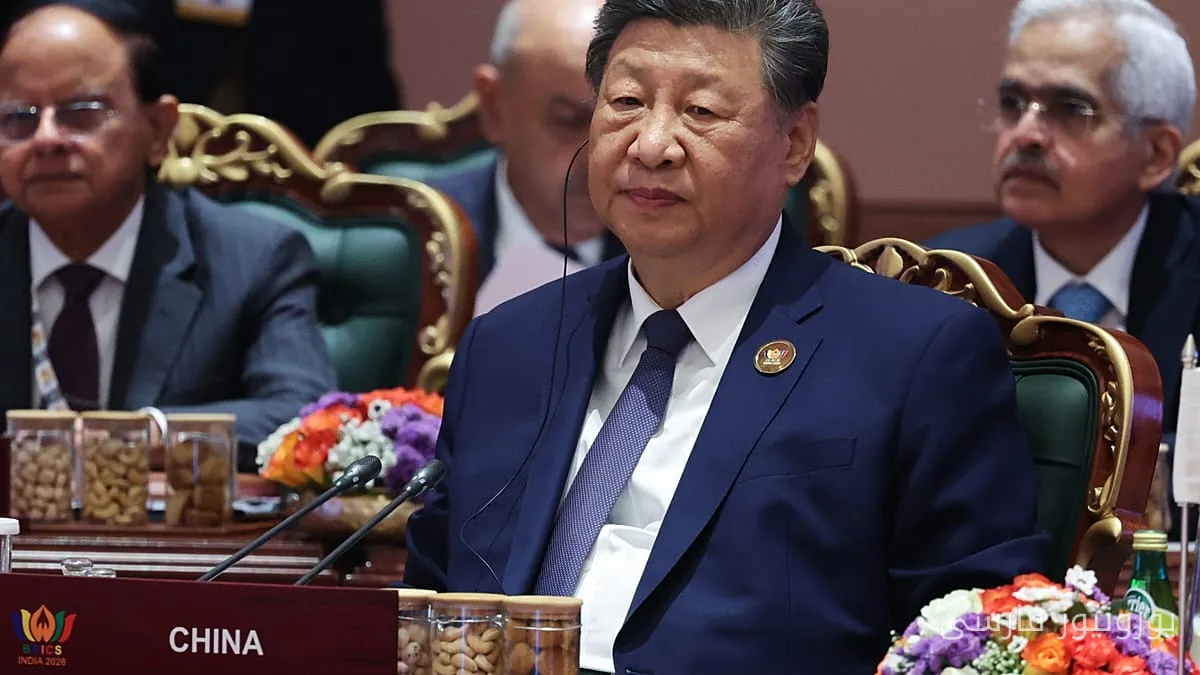
Xi Jinping, the President of China, during an official speech, proposed the creation of an open-source AI zone for BRICS countries. This plan is designed to promote collaboration in the development and application of large language models. Jinping, in this speech published through Chinese state media, highlighted the importance of artificial intelligence in the future of the global economy.
Development of Open-Source AI and BRICS Goals
Xi Jinping's proposal is part of his initiative for inclusive and open-source artificial intelligence. This initiative includes creating research and specialized training in artificial intelligence for BRICS countries. The goal of this plan is to establish an open ecosystem for artificial intelligence where member countries can jointly achieve technological advancements. Jinping emphasized that BRICS countries should assist each other in the field of artificial intelligence and collaborate to benefit from this technology.
Read more: EU Digital Wallet to Simplify Citizen Document Management
Global Challenges and Opportunities in Artificial Intelligence
Xi also spoke about the necessity of establishing a global governance framework for artificial intelligence. He believes that given the rapid growth and development of artificial intelligence technologies, a global agreement based on international consensus is essential. This issue is particularly important for European countries and other Western nations concerned about security and privacy in the digital space.
The BRICS group, which includes China, Russia, and India, was established in 2009 as a platform for cooperation among major emerging economies. This group seeks to gain more influence in international institutions traditionally controlled by Western powers. In this context, Xi Jinping's proposal could be seen as a way to strengthen economic and technological cooperation on a global scale.
Given the growing concerns about the dominance of artificial intelligence technologies and their impacts on society, this initiative could bring about a shift in the approach of various countries, especially in Europe. European countries may view this proposal as an opportunity for increased collaboration in artificial intelligence research and development, particularly as global competitors are advancing.
Xi Jinping is also expected to visit the United States later this month, and discussions on AI governance are anticipated to be part of his negotiations with the U.S. President. This topic is increasingly regarded as a global challenge, and international cooperation in this area appears to be essential.
Read more: Research on Nuclear Fusion Energy and Its Impact on Europe's Future · Xi Jinping is Coming to India; The Peak of Global Tensions at the BRICS Summit