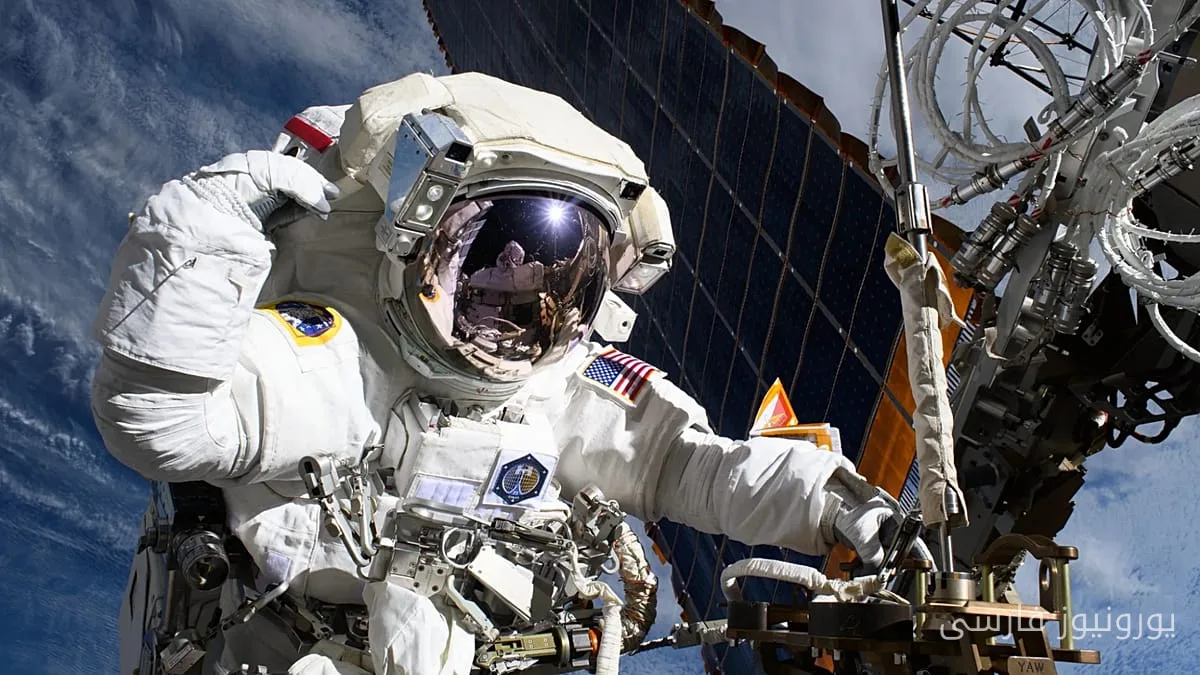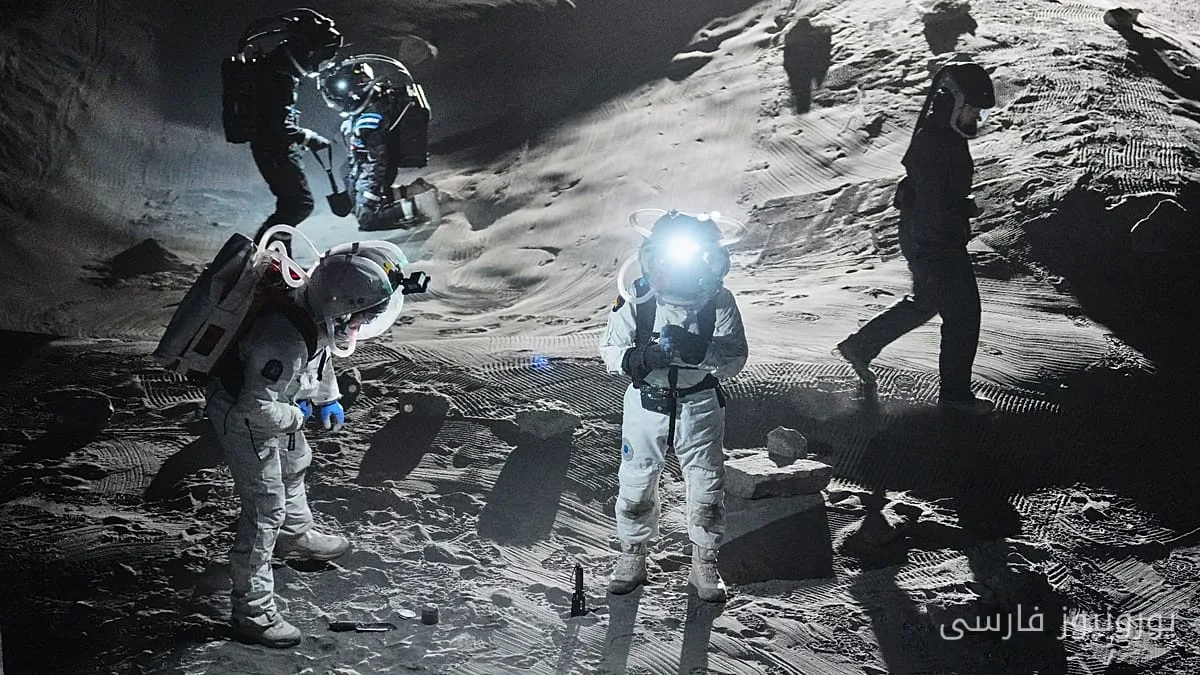
A new analysis conducted by the Harvard-Smithsonian Center for Astrophysics indicates that there are many challenges ahead for humanity's dreams of settling on the Moon. Despite technological advancements and space efforts, this study examines the capabilities of water and energy resources in building lunar cities and concludes that the lack of sufficient ice reserves on the Moon is the biggest barrier to habitation there.
Water and Energy Resource Challenges
This study, titled "There Are No Cities on the Moon," investigates the water and energy needs of a large population on the Moon. Researchers have concluded that cities with a population of one million can only survive for a few years if they cannot recycle their water needs. For example, it is estimated that each person in a lunar city requires an average of 500 tons of water per year.
Read more: EU Digital Wallet to Simplify Citizen Document Management
This report also points out that the International Space Station (ISS) recycles an average of 98% of its water, and for the survival of a lunar city with a population of one million, 99.9% water recycling is required. However, if done correctly, such a city could remain sustainable for 2000 years.
Energy Resources on the Moon
On the other hand, providing energy for a lunar city can be easily achieved through solar energy. Areas with high sunlight at the Moon's poles, where the sun never fully sets, are recognized as ideal locations for installing solar panels. Researchers predict that one-kilometer-tall towers covered with solar panels could each produce about 3 gigawatts of energy, which is sufficient to power not only residential facilities but also industries.
Moreover, one of the main raw materials for producing solar cells, silicon, constitutes about 20% of the Moon's surface, which could aid in the local production of these cells. For instance, a Japanese company named Shimizu Corporation has proposed plans to install solar panels along the Moon's equator, which could generate over 13,000 terawatt-hours of energy, exceeding the total electricity consumption of Earth.
Despite these challenges, researchers hope that the recent study will serve as a catalyst for more serious discussions about the sustainability of water resources and their management in lunar explorations.
Read more: PlayStation and Big Risk with Wolverine Game: Will This Bet Pay Off?