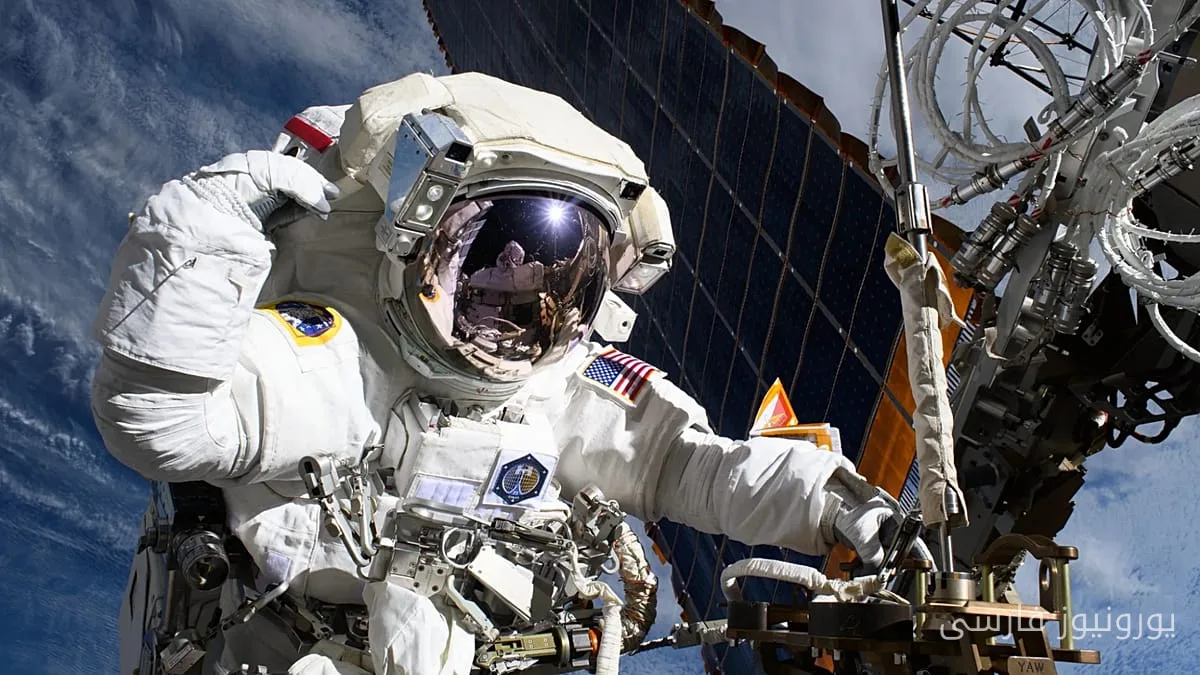
The research team has explored the possibility of cataract surgery on Mars and sent 135 artificial lenses to the International Space Station (ISS). These lenses were placed in specific conditions in low Earth orbit for nearly six months and then returned to Earth for analysis. The results of this research could contribute to medical advancements in space as well as the development of therapeutic technologies on Earth.
Medical Advancements in Space
According to this research, astronauts may soon face vision problems that require surgery. In conditions like those on Mars, where access to medical services is limited, the use of artificial lenses and performing surgeries will be of particular importance. This research could help establish independent medical infrastructures for space travel.
Read more: Apple surprised everyone with the introduction of new iPhones and the foldable Duo model
Analysis of Lenses After Return
The artificial lenses sent to the space station were subjected to specific atmospheric conditions and intense radiation. This environment can have significant effects on the materials and performance of these lenses. Analyzing the results of this research could help improve lens design and enhance their therapeutic capabilities. The findings of this research not only assist astronauts but may also have medical applications on Earth.
As travel to Mars and other planets becomes a reality in the near future, this research highlights the importance of scientific and technological advancements in the field of medicine and health in space. Improving medical treatments in space is essential, especially for individuals who will be on long-term missions to other planets.
Read more: Digital cooking: the future of food with 3D printing technology