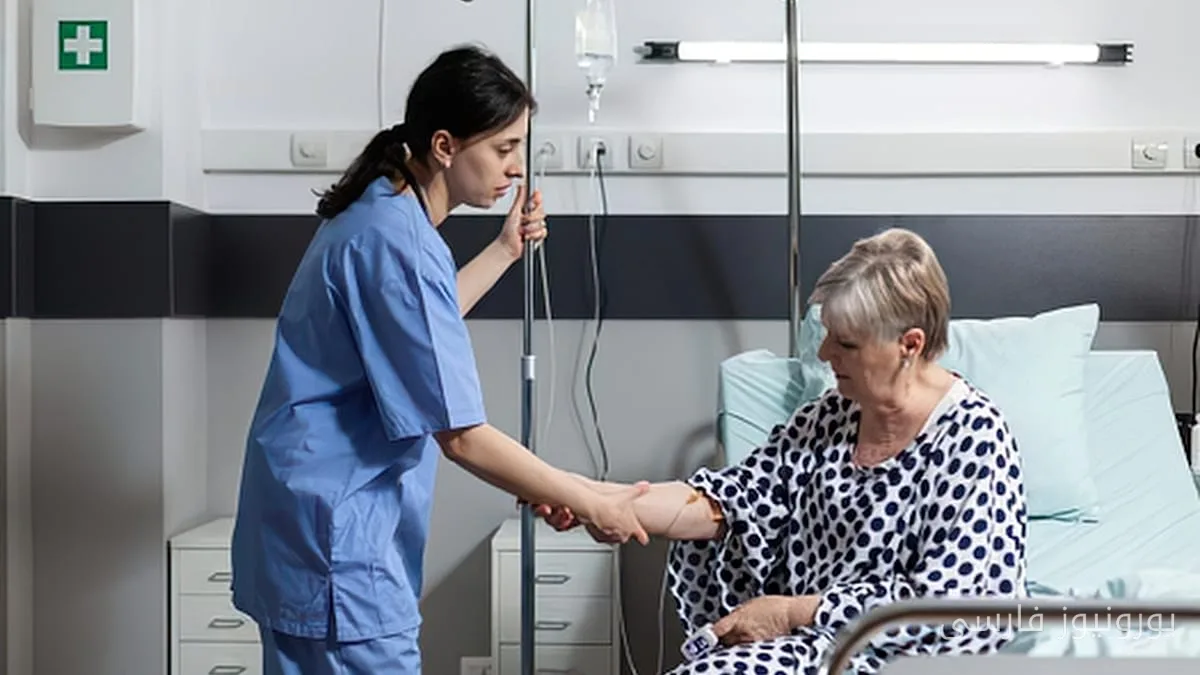
Women in the health sector in Europe — where they dominate — earn on average 19% less than men per hour, according to a report from the World Health Organization (WHO). This sector is the fourth largest employer and the largest employer for women in the European region. Women make up 77% of the workforce in health, while this figure is 45% for other sectors. However, only 55% of the highest incomes in this sector belong to women.
Income Inequality and Its Causes
Nazira Azouparadi Muscat, Director of Health Systems at WHO Europe, said: "Women are the majority of those who sustain Europe’s health systems, yet they earn less than their male counterparts, and this gap accumulates over their professional lifetime." The gender pay gap — the difference in average earnings between men and women — is greater at higher income levels, with the gap widening from 2% among the lowest earners to over 22% at the highest wage levels.
Economic and Social Consequences
This report shows that the health sector is particularly important for women's employment, accounting for nearly 17% of total female employment, while this figure is 5% for men. These findings reflect a similar pattern that exists in the broader labor market: structural inequality that intensifies at higher income and status levels. Globally, women in the health sector earn on average 24% less than men, which is a wider gap compared to many other industries.
According to the WHO report, this gap can lead to serious economic and social consequences, including lower lifetime earnings, reduced pension rights, and an increased risk of poverty for women who have dedicated their lives to caring for others. Azouparadi Muscat added: "This is not just a coincidence and is not related to qualifications. Women are paid less for the same work and are sidelined from roles that offer higher pay."
Closing the gender pay gap is therefore not only a matter of social justice but also an investment in a stronger and more sustainable health workforce. To this end, the WHO recommends pursuing measures such as pay transparency and facilitating women's representation in decision-making positions.
Read more: When the health system becomes a victim: a bitter story of medical neglect · Closer cooperation between the European Union and Canada is on a new horizon