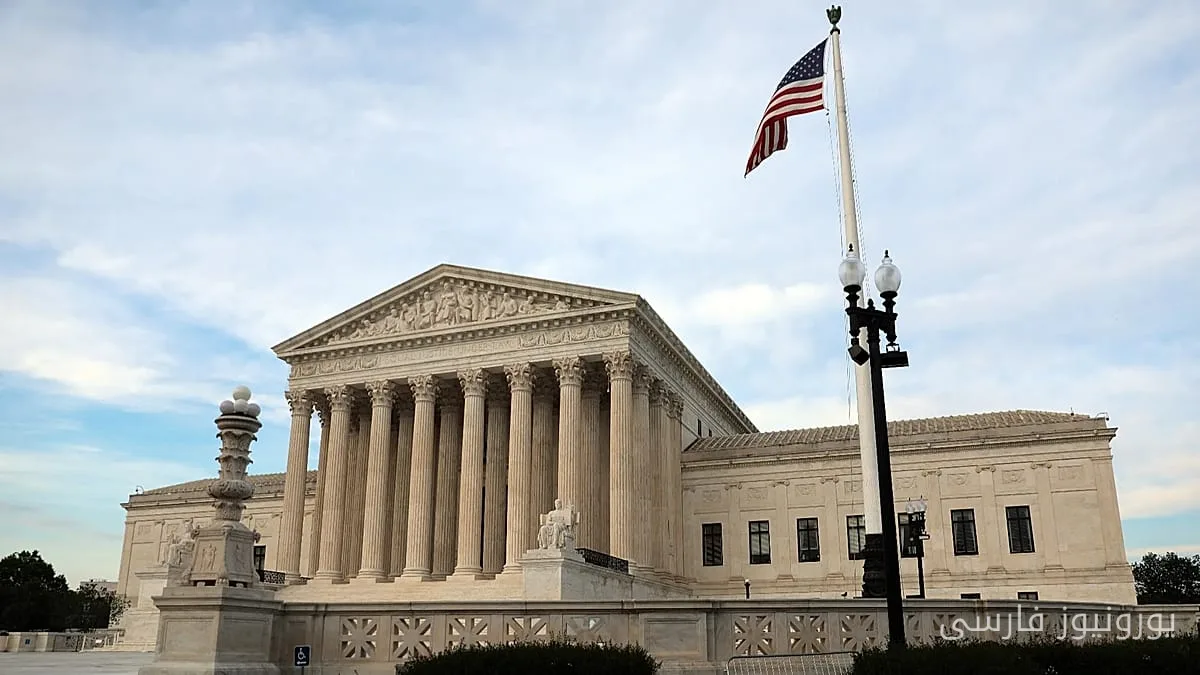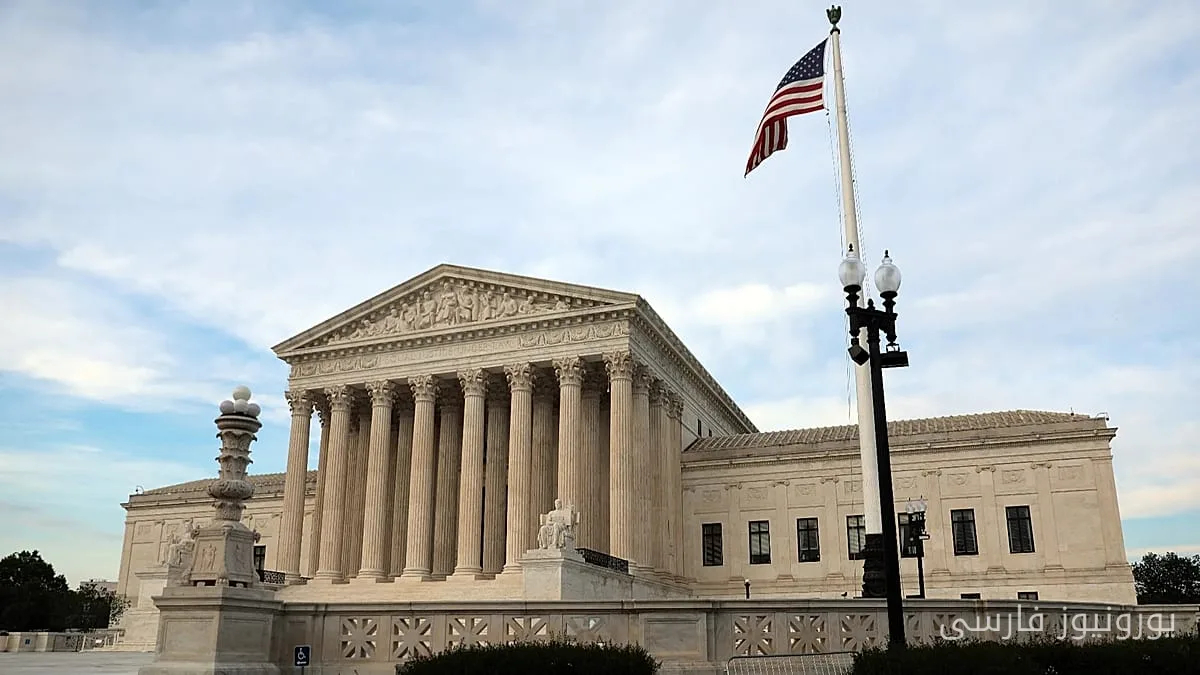
The U.S. Supreme Court dealt a serious blow to President Donald Trump's efforts to limit mail-in voting in the midterm elections on Monday. This decision allows states to continue the mail-in voting process that has been in use for years and encompasses nearly a third of the votes cast.
Impact on Future Elections
The majority of the Supreme Court stated that Trump's administration's efforts to impose restrictions would likely fail in court, although the short-term emergency order issued did not provide clear reasons. Two justices, Samuel Alito and Clarence Thomas, publicly disagreed with this decision. Alito stated in his dissent that the Postal Service "has broad authority to regulate the mail" and likely has the power to enforce Trump's restrictions, while Justice Brett Kavanaugh agreed with not enforcing the restrictions for the midterm elections but indicated that he might rule in favor of Trump's administration in the future.
Read more: Houthis Take Control of New Islands in the Red Sea, Yemen
Challenges and Reactions
This decision is seen as a major defeat for Trump on an issue he has consistently emphasized as critical to ensuring the integrity of elections, despite the lack of evidence of fraud in mail-in voting. The Trump administration had asked the court to pave the way for restrictions before the November elections. While Trump himself uses mail-in voting, he has consistently opposed it, attributing his loss in the 2020 election to it.
U.S. election officials have stated that there is no way to implement a complete change in the weeks leading up to the midterm elections. States like Alabama, North Carolina, and Wisconsin began mail-in voting last week while the new system has not yet been activated. The Trump administration's plan would have required states to accept a specific style of ballot envelope and submit eligible voter lists to an online portal.
Read more: Death of a Member of the British Armed Forces in Ukraine · Marine Le Pen Launches Presidential Campaign Amid Party Tensions