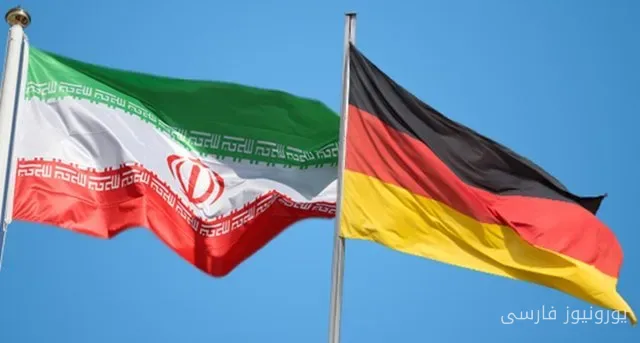
Axel Wilhelm Dietmann, the German Ambassador in Tehran, was summoned to the Iranian Foreign Ministry due to the recent positions of senior German officials and the interventionist behavior of the embassy of this country. This summoning followed Iran's strong criticisms of Germany's policies regarding regional developments, particularly its military and political support for the Zionist regime.
Iran's Position on Germany's Policies
In this meeting, Alireza Yousefi, the Director General for Western Europe at the Iranian Foreign Ministry, explicitly described Berlin's approach to regional developments as destructive and emphasized the need for a reassessment and reform of these policies. In particular, Iran referred to its criticisms of the German Chancellor's claims regarding human rights and security in the region, stating that these claims contradict the existing realities.
Read more: The Houthis reported the downing of a Saudi fighter jet and denied targeting Mecca
International Consequences and Public Opinion
Alireza Yousefi also pointed out that, in the eyes of public opinion in the region and the world, the German government is recognized as an accomplice in the crimes and genocide against the Palestinian people. This has led to increased criticism of Germany's policies on a global scale, and public opinion is becoming increasingly sensitive to this country's role in Middle Eastern developments.
The German ambassador stated in this meeting that he would convey the message and formal protest of the Islamic Republic of Iran to his government. This action could lead to further tensions in the relations between the two countries and create new concerns within the European Union.
In recent years, relations between Iran and Germany have been influenced by various political and economic developments. Given that Germany is considered one of the key countries in the European Union's policies, the Islamic Republic of Iran's reactions to this country's actions could also impact the relations of other European countries with Iran.
This summoning also reflects the existing sensitivities in Iran's foreign policy and the country's desire to protect its interests against foreign interventions. Considering the ongoing developments in the Middle East, such reactions could be seen as a sign of changes in Iran's diplomatic approaches.
Read more: Disaster in a gold mine in Sudan: More than 60 miners lost their lives · The U.S. House of Representatives voted for the third time to end the war with Iran