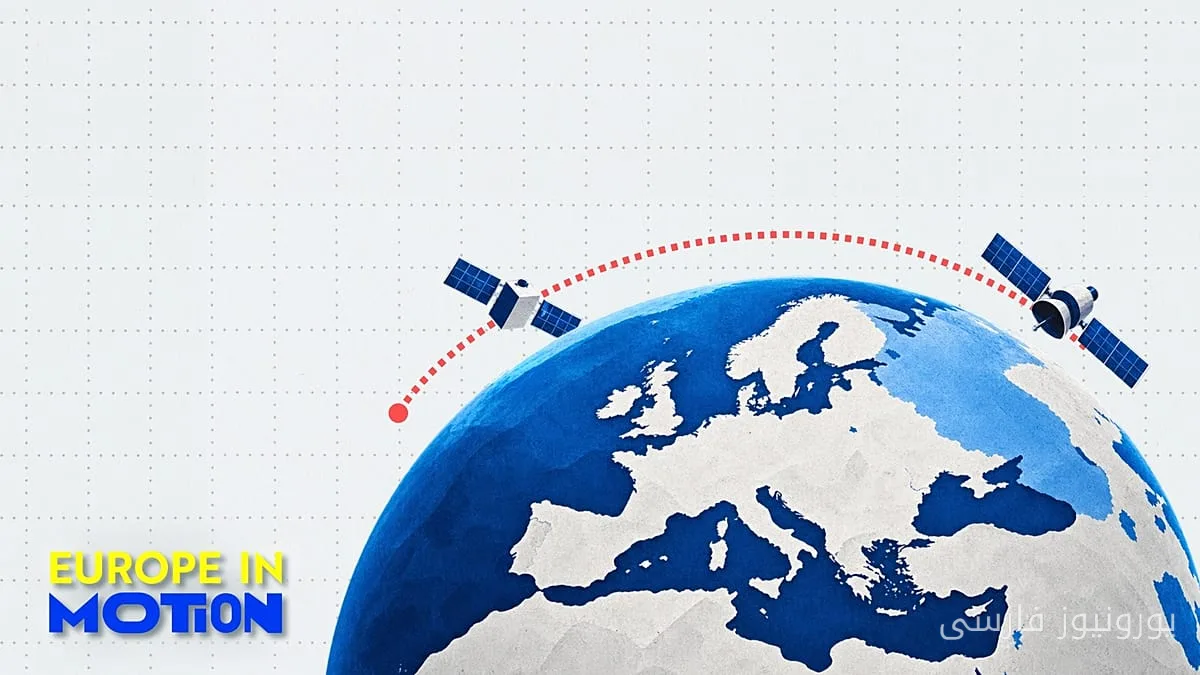
The space economy in Europe is recognized as a mature and contemporary industrial force that supports innovation, public policy goals, and services at the continental level and beyond. EU member states currently allocate more than 0.04 percent of their GDP to this sector, but some countries are advancing faster than others.
Investments by Italy and Germany
Italy is currently spending the most on non-military space projects relative to its GDP, except for Luxembourg, which is a leader in this area. With increased spending over the past 15 years, it has surpassed France. A new OECD report shows that the space economy in Rome is now a high-value strategic ecosystem, similar to specific industries in aerospace, electronics, telecommunications, software, and advanced engineering, with an estimated output of €8 million.
Read more: Impact of Canada: European companies benefiting from closer ties
On the other hand, Germany is moving towards becoming a leader in the space sector as one of the largest space investors in Europe. Berlin plans to invest around €35 billion in space-related defense capabilities by 2030, which is significantly more than France, which is allocating about €10.6 billion to this sector between 2024 and 2030.
The Role of the UK in the Space Industry
The UK, with 757 satellites in orbit, is a leader in the number of satellites in Europe. This industry currently plays an important role in the UK economy, contributing about 18 percent of the country's non-financial GDP in 2022. Of this amount, 14 percent is dedicated to industries related to positioning and navigation services. Meanwhile, 98 percent of these satellites are owned by the private sector.
However, compared to global private investments, only about 12.8 percent of total private space investments have been allocated to Europe, while 67 percent goes to the United States. This gap is particularly evident in satellite launches, where the United States conducted 181 orbital launches last year, while Europe managed only eight launches.
Ultimately, this report addresses recent developments in space investments in Europe and shows how different countries are striving to compete with each other in this field and achieve their goals.
Read more: The United States government threatens retaliation against European preferences in the EU budget · Frankfurt issues malaria warning after two new cases