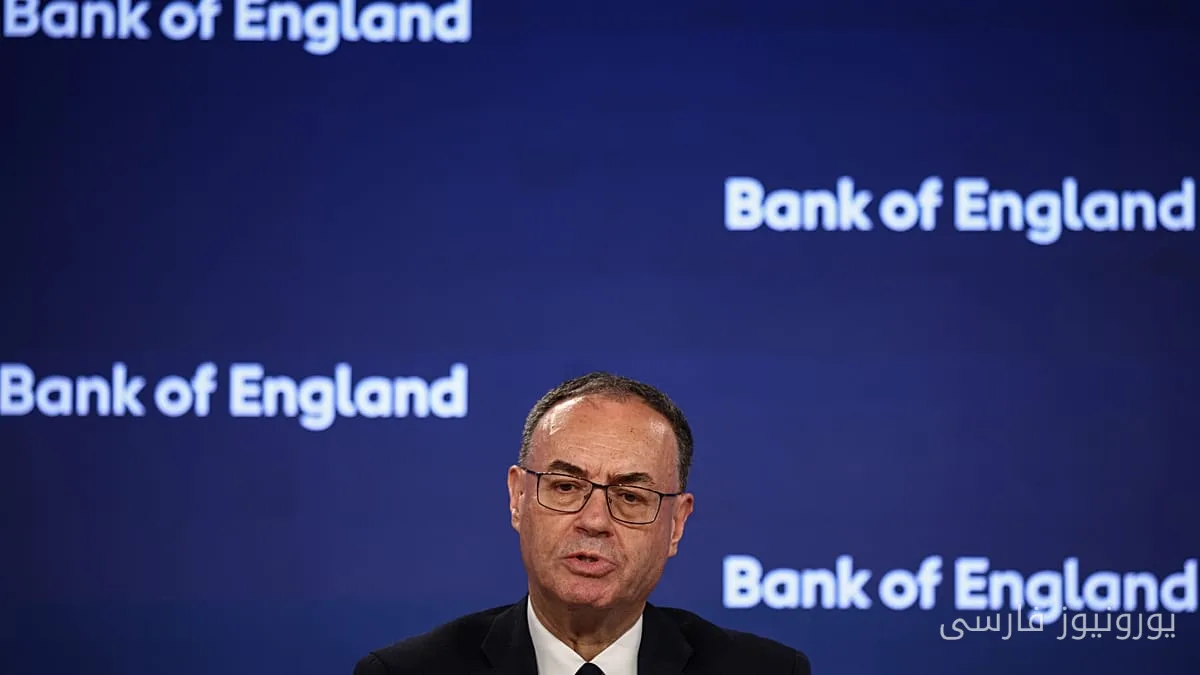
The Bank of England held a recent meeting where it decided to keep the interest rate at 3.75% with a vote of 6 to 3. This decision indicates that the bank prefers not to change its policies in the current uncertain economic conditions and rising inflation. While three members of the Monetary Policy Committee called for a quarter-point increase in the interest rate to 4%, the majority believed that maintaining the current rate was more appropriate.
Monetary Policy and Inflationary Pressures
The Bank of England expects the economic situation to worsen soon. According to the committee, inflation is likely to rise in the near future. The institution has pointed to rising energy prices (both raw and refined) which have surged again since their last meeting and show more volatility than before the onset of conflicts.
Read more: Crisis of Fake Poisons in Europe: $20 Billion Illegal Trade
The committee also noted the secondary effects that may arise from high energy prices. However, so far, there has been no evidence of a significant impact of these prices on wages and general prices. This means that high energy prices are not yet directly pressuring other economic sectors, but this situation could be temporary.
Comparison with Other Central Banks
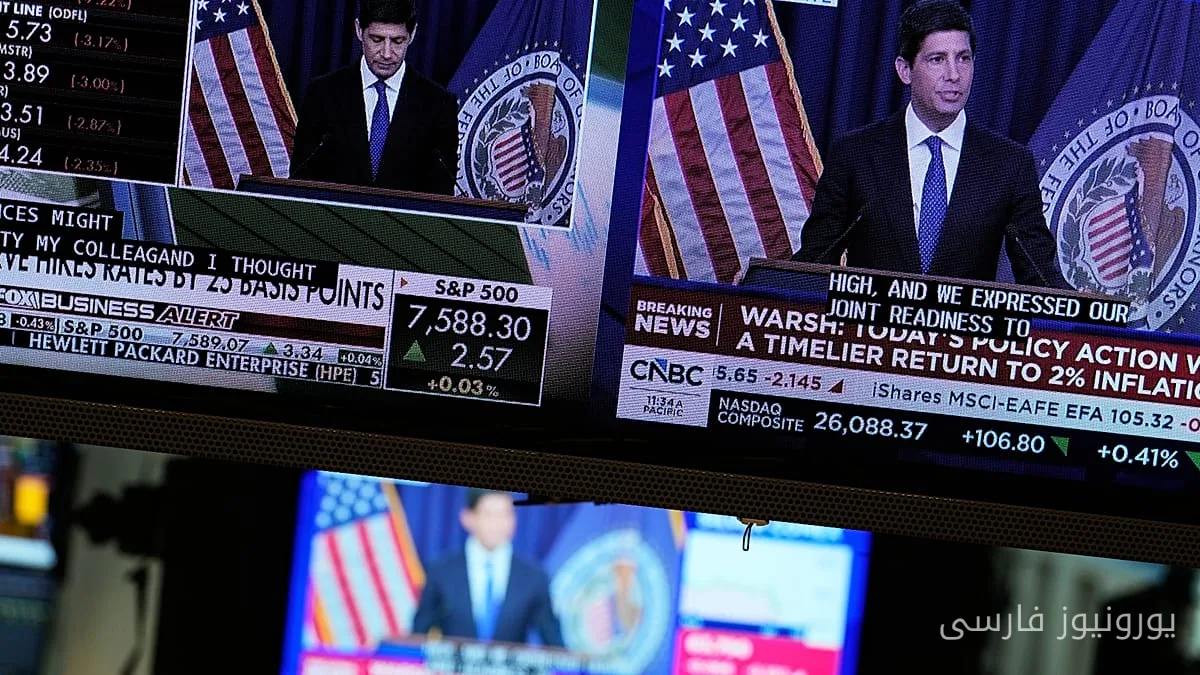
While the Bank of England has decided to maintain the interest rate, the Federal Reserve raised its rate to a range of 3.75% to 4% this week, and this decision was a complete consensus among its members. The European Central Bank also raised its deposit rate to 2.5%.
This week saw an increase in economic activities globally. Despite economic pressures from rising living costs and high interest rates, economic activities seem to be continuing relatively better than expected. However, pressures from the labor market and high borrowing costs that households and businesses face should gradually lead to a decrease in inflation rates.
Ultimately, markets will pay attention to the upcoming decisions of the Bank of Japan on Friday, where markets expect an interest rate hike. However, the Bank of England remains the only major central bank this week that has not changed its rate, although evidence suggests that this situation may change soon.
Read more: Trump Administration Threatens to Reduce Trade with the EU in Response to 'Hostile' Canadian Proposal · Bond Market Rejects $6 Billion U.S. Treasury Buyback Plan