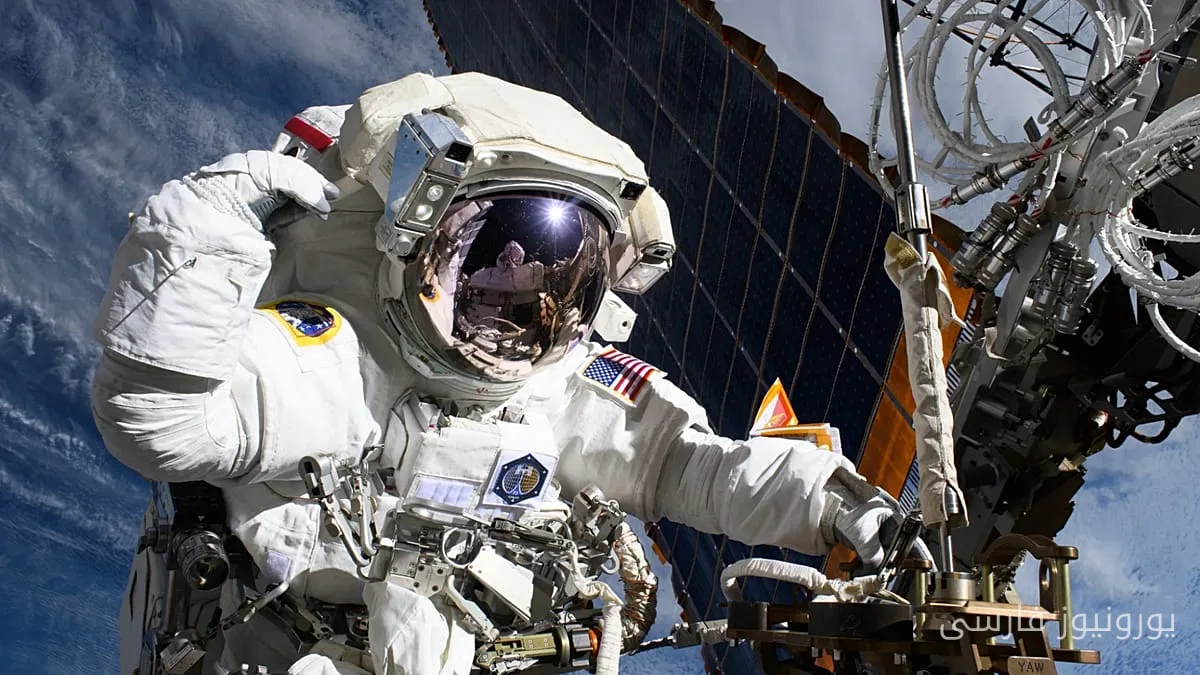
Greg Stanton, an eye surgeon and director of research at the Berkeley Eye Center in the United States, has been exploring the feasibility of performing cataract surgery during a trip to Mars. In this context, a team of researchers sent artificial lenses used in cataract surgery to the International Space Station to examine the durability of these implants in space conditions.
Medical Challenges on a Trip to Mars
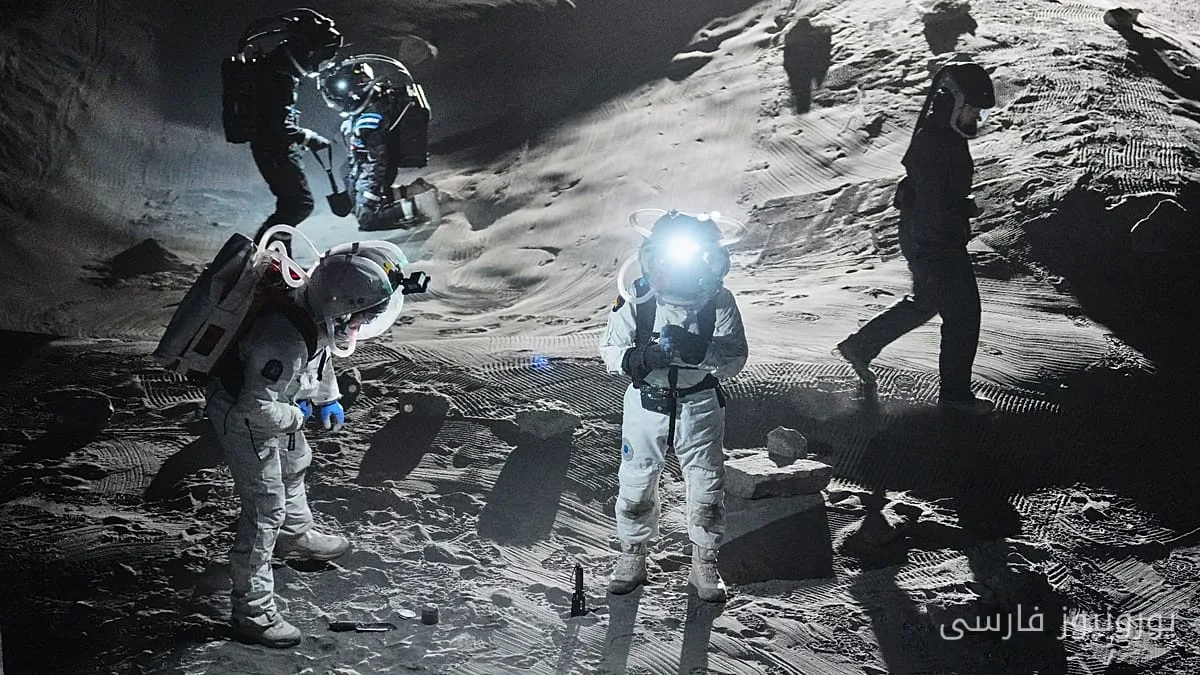
A trip to Mars could last for months, and during this time, the occurrence of serious eye problems for astronauts is a concerning reality. Stanton stated, "A trip to Mars takes nearly a year, and returning to Earth for treatment of eye issues like cataracts may be unrealistic." Therefore, the need for on-site treatment is felt.
Read more: Dario Amodei's Dispute: Should Artificial Intelligence Be Slowed Down?
Testing Artificial Lenses in Space
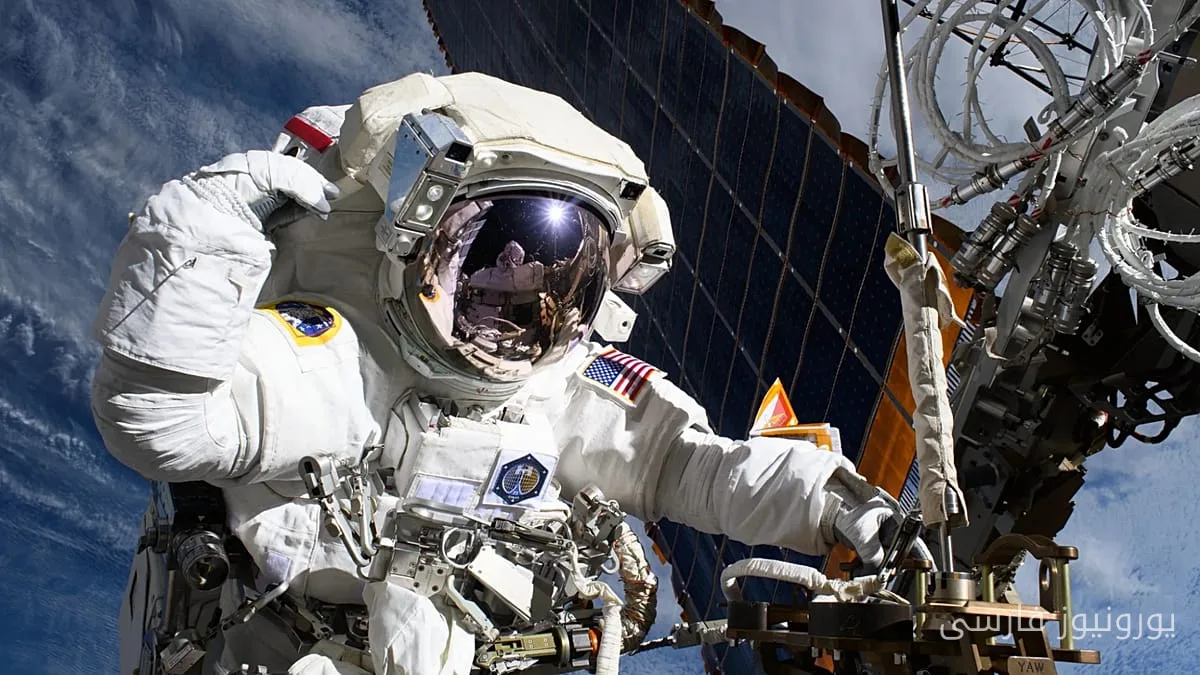
In a project named JAMES, the research team sent 135 artificial lenses unpackaged to the space station. These lenses were placed outside the station in three different positions for six months and exposed to various weather conditions. Ultimately, 61 lenses from space and 20 lenses kept on Earth were examined. The results showed that most lenses, 42 out of 61, did not exhibit significant changes. However, among the other 19 lenses, 8 acrylic lenses showed surface cracks and unevenness.
Stanton also noted that cataract surgery in space is still a distant prospect. This experiment only demonstrates how artificial lenses behave under space conditions and does not indicate whether the surgery itself can be safely performed.
The Future of Eye Surgery in Space
Stanton plans to test the surgical machine used in cataract surgery during parabolic flights with short microgravity durations. This machine uses ultrasound and fluid to remove the cloudy natural lens of the eye. If this experiment is successful, he hopes to move towards longer microgravity tests and eventually a surgical test in orbit.
The findings of this research were presented on Sunday at the Congress of the European Society of Cataract and Refractive Surgeons in London. Researchers believe this is the first controlled experiment that has directly exposed several types of modern artificial lenses to the environment outside the International Space Station and returned them to Earth.
Read more: Portuguese Researchers Examined Energy Storage Options in Underground Rocks · Revolution in Alzheimer's Patient Care: Living in Care Homes