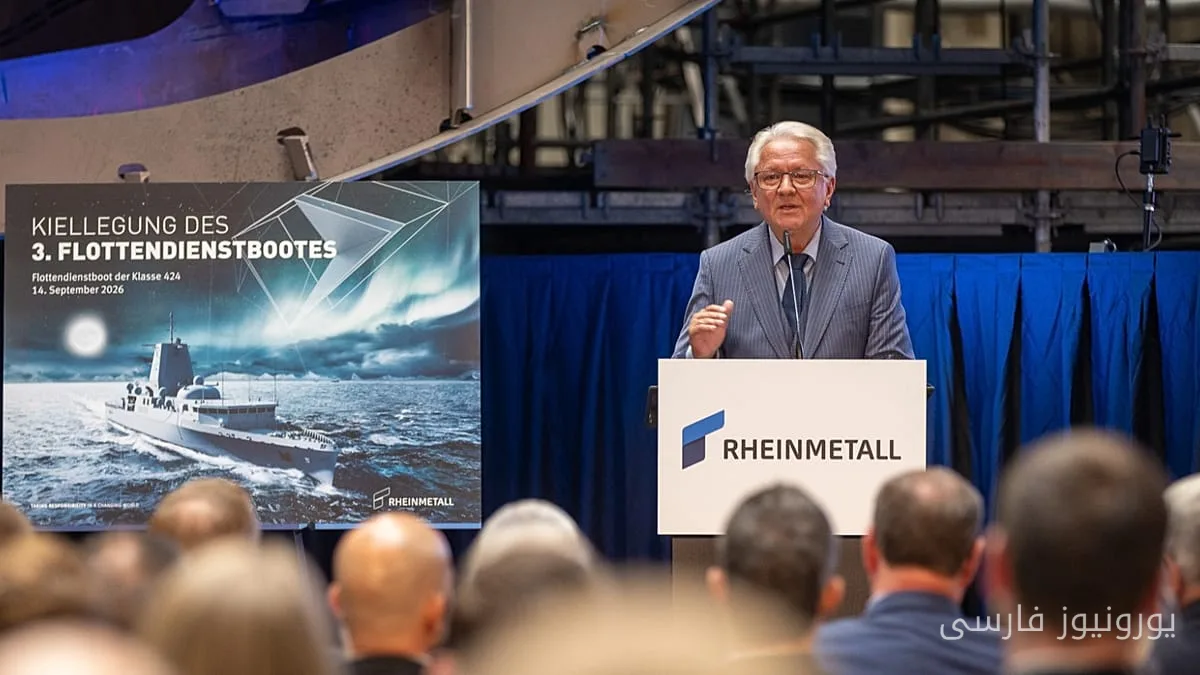
Armin Papperger, the CEO of the defense company Rheinmetall, has announced in a recent press conference that the entry of robots into the defense industry is an undeniable reality. He stated that this technology will significantly change production processes as well as the workforce, highlighting its importance for the future of this industry.
The Impact of Robots on the Defense Industry
According to Papperger, robots can help increase efficiency and reduce costs. This technology allows manufacturers to produce their products more quickly and also improve product quality. Papperger added that this change could benefit European countries that are looking to enhance their military capabilities.
Read more: TotalEnergies monitors fuel prices in France
Challenges and Concerns
However, the entry of robots into the defense industry also brings challenges. Among the existing concerns is the potential loss of jobs in this industry. While robots can help increase efficiency, there is a possibility that some traditional jobs may decrease due to automation. Papperger emphasized the necessity of proper planning for transitioning workers to new jobs to prevent unemployment.
These changes will not only affect workers but also the supply chain. Suppliers must adapt to these changes and seek new opportunities in the market. Therefore, investment in research and development and training the workforce is of high importance.
The Future of the European Defense Industry
Papperger also referred to the future of the European defense industry, stating that the continent must lead in modern technologies and automation. He emphasized that cooperation among European countries in this area could help strengthen the security and defense of the region. Therefore, investment in modern technologies and robotics should be a fundamental priority for European countries.
Overall, the entry of robots into the defense industry is an important and necessary change that can help improve efficiency and reduce costs. However, attention must also be paid to the social and economic challenges arising from these changes to prevent negative impacts on the workforce.
Read more: New analysis of carbon reduction in heavy industries in Europe without harming economic growth · The majority of Europeans emphasize the importance of mastering a second language